
About Lentil
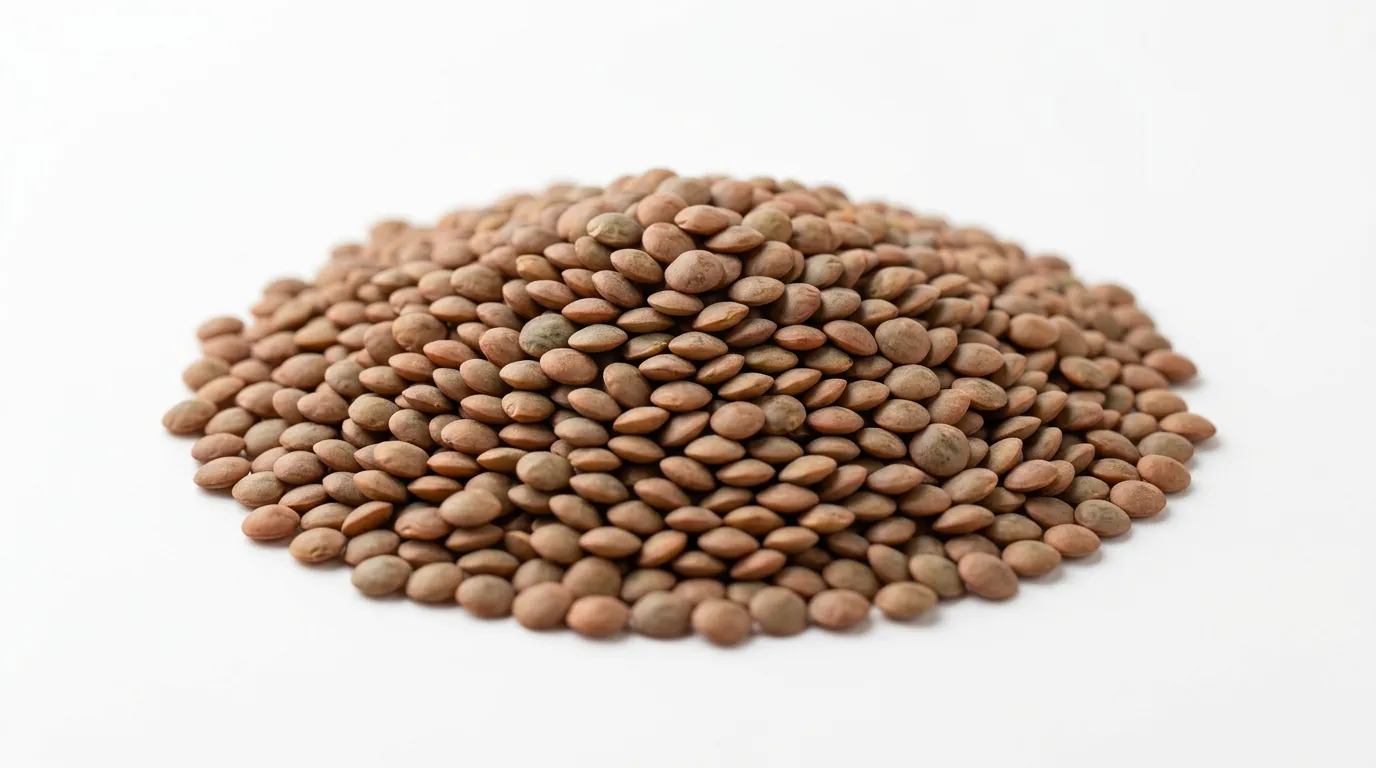
Lentils are small edible legumes that cook into a soft texture, making them a versatile food for babies and toddlers. They can be served as a smooth mash, mixed into soups and stews, or offered in soft clumps for self-feeding. Because they are affordable, easy to store, and used in many cuisines around the world, lentils are a practical staple for family meals. They are especially valuable for babies because they provide plant protein, iron, folate, and fiber. Iron supports healthy brain development and red blood cell production, folate helps with growth and cell development, and fiber supports digestion. Lentils also provide potassium and small amounts of zinc and calcium, making them a nutrient-dense addition to meals. Lentils are not one of the major common allergens, but lentil allergy can occur. Reactions are more likely in children with other legume allergies, such as peanut, chickpea, pea, or some bean allergies. Serve lentils fully cooked until very soft, and avoid dry, firm, or undercooked lentils, which are harder to manage safely. Most babies can start lentils from 6 months old when they are cooked until soft and served mashed, pureed, or in a scoopable dish. As oral skills improve, you can offer thicker textures, soft clumps, and eventually lentils in soups, patties, or mixed family meals. Keep portions manageable and always supervise while your child eats.
How to serve by age
Serve lentils fully cooked until very soft, then mash or blend as needed. Thick purees, dal, or soft lentil dishes are good early options. You can also preload a spoon to help baby self-feed.
Offer well-cooked lentils in soft clumps, or mix them into rice, yogurt, mashed vegetables, or other scoopable foods. This works well as your baby develops a pincer grasp and more confidence with textured foods.
Serve lentils in a variety of family dishes such as soups, stews, curries, patties, or grain bowls. Keep textures soft and manageable, and encourage utensil practice while supervising closely.
Toddlers can usually manage lentils in most family meals, including salads, patties, and mixed dishes, as long as the lentils are fully cooked and not dry or tough. Continue to encourage seated, supervised eating.
Pairs well with
Safety & allergens
Lentils are low choking risk when fully cooked until very soft and served in an age-appropriate form. For younger babies, offer mashed lentils, thick purees, or soft scoopable dishes. For older babies and toddlers, lentils can be served in soft clumps, soups, stews, or mixed into rice or vegetables. Avoid dry, firm, or undercooked lentils.
What to watch for
Safety checklist
Storage & shelf life
Store cooked lentils in an airtight container in the refrigerator for up to 3-5 days.
Freeze cooked lentils or lentil dishes in an airtight container for up to 3 months. Thaw in the refrigerator before reheating and serving.
Nutrition
- Provides plant protein to support growth
- Rich in iron for healthy blood and brain development
- Contains folate for growth and cell development
- Offers fiber to support healthy digestion
- Contains non-heme iron, which is absorbed less easily than iron from meat
- Can cause gas or bloating in some children
- Not a significant source of vitamin C unless paired with vitamin C-rich foods
Key nutrients
Nutrition facts
| Calories | 352kcal |
|---|---|
| Protein | 24.6g |
| Carbs | 63.4g |
| Fat | 1.1g |
| Fiber | 10.7g |
| Sugar | 2.0g |
| Iron | 6.5mg |
| Calcium | 35.0mg |
| Potassium | 677mg |
| Vitamin C | 5mg |
| Vitamin A | 2.0µg |
| Folate | 479µg |
| Zinc | 3.27mg |
per 100 g
In season
Common questions
When can babies eat Lentil?
Is Lentil a choking hazard?
Is Lentil a common allergen?
More first foods

Track Lentil and everything your baby eats
Log meals and reactions, get allergen alerts, and see your baby's food journey at a glance in the Alimoo app.


Backed by