
About Juice
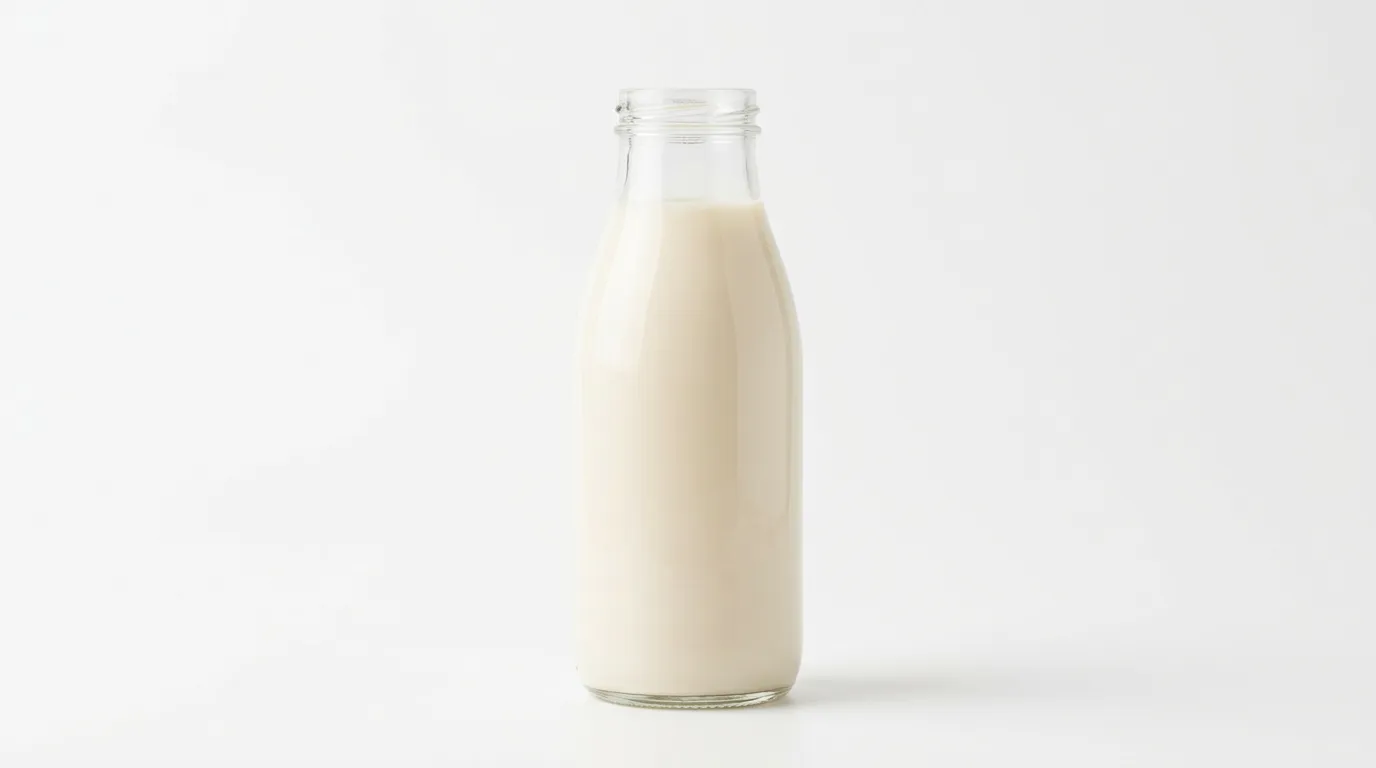
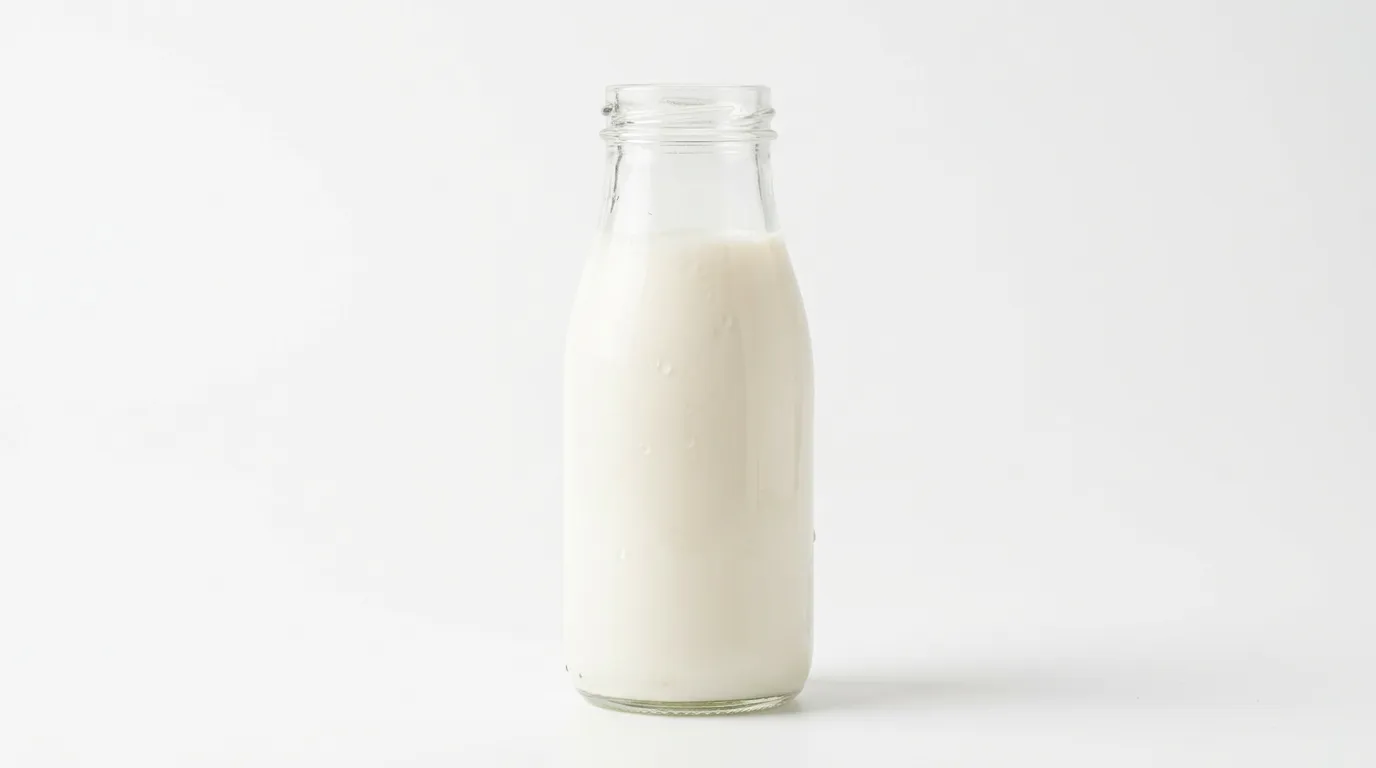
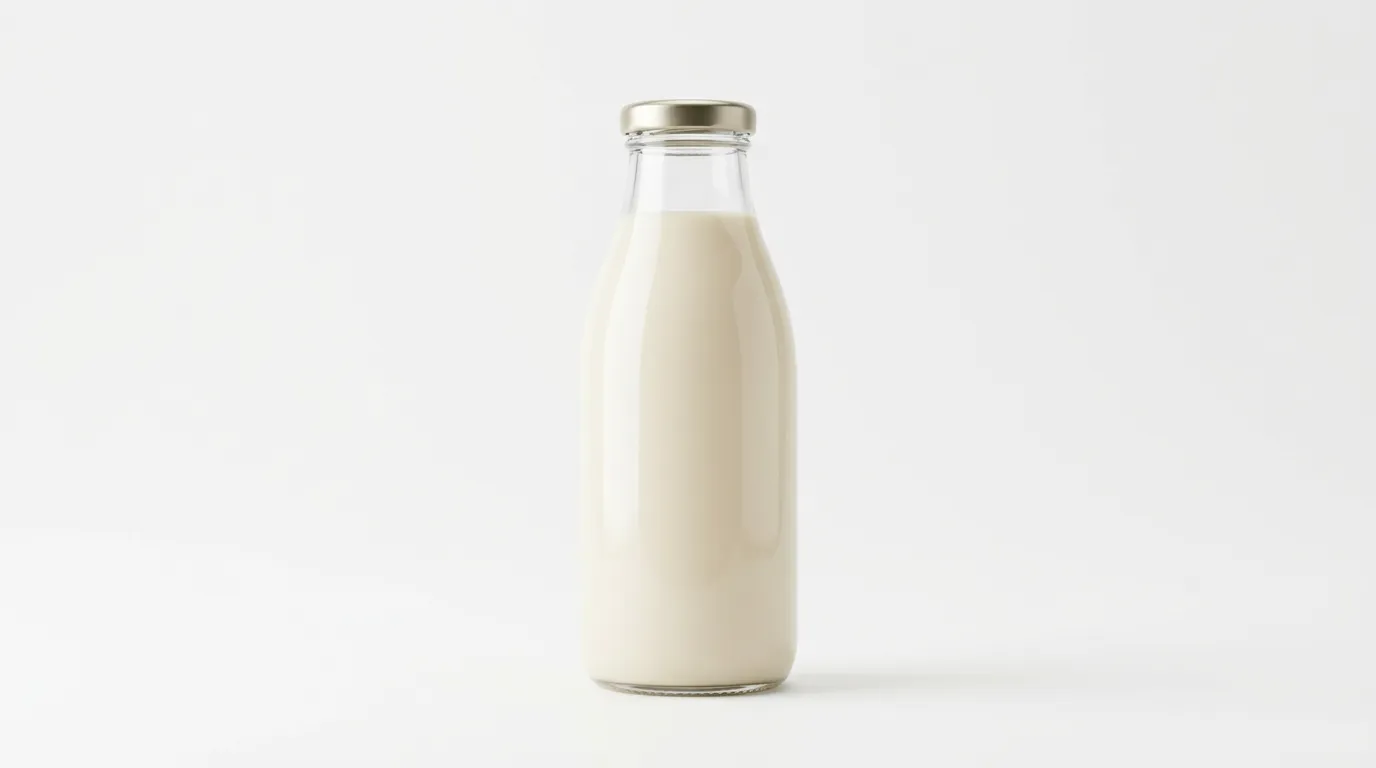
Juice is the liquid extracted from fruit or vegetables, but it is generally not recommended as a regular drink for babies. Unlike whole fruit, juice contains little to no fiber and can deliver a lot of natural sugar quickly, which makes it less filling and less supportive of healthy eating habits in infancy. Depending on the type, juice may provide vitamin C and some potassium, but it is usually much less nutritious than offering the whole fruit. Whole fruits and vegetables help babies practice chewing, support digestion with fiber, and are better for steady energy and dental health. Juice is not one of the major food allergens, but reactions can still happen depending on the fruit used, especially with citrus or raw, unpasteurized juices. Acidic juices may also irritate the skin around the mouth or worsen diaper rash. Unpasteurized juice should not be given to babies or toddlers because it can contain harmful bacteria. For babies under 12 months, avoid serving juice as a drink. After 12 months, if offered at all, keep it minimal, choose pasteurized 100% juice, and serve small amounts in an open cup with meals rather than in a bottle or sippy cup carried around. Water and milk remain better everyday drink choices for toddlers.
How to serve by age
For babies under 12 months, do not serve juice as a drink. From 12 months, if you choose to offer it, use only a small amount of pasteurized 100% juice with a meal in an open cup. Whole fruit is the better choice.
For toddlers, keep juice occasional and limited. Offer a small serving with meals rather than between meals, and avoid letting your child sip juice throughout the day to help protect teeth and appetite.
Pairs well with
Safety & allergens
Juice is not a typical choking hazard, but it can be aspirated if a child drinks too quickly, drinks while reclined, or uses a bottle inappropriately. Serve only while your child is sitting upright and awake, and offer small amounts in an open cup or straw cup.
What to watch for
Safety checklist
Storage & shelf life
Store opened pasteurized juice in the refrigerator and use within 3-5 days, or follow the package instructions if sooner.
Freezing is generally not recommended because texture and flavor may decline after thawing.
Nutrition
- Can provide vitamin C depending on the fruit
- May contribute some potassium
- Easy to drink when offered occasionally with meals
- Low in fiber compared with whole fruit
- Often high in natural sugars
- Can reduce appetite for more nutritious foods
- Frequent use may increase risk of tooth decay
Key nutrients
Nutrition facts
| Calories | 115kcal |
|---|---|
| Protein | 1.4g |
| Carbs | 24.1g |
| Fat | 1.4g |
| Fiber | 0.1g |
| Sugar | 20.6g |
| Iron | 0.3mg |
| Calcium | 141.0mg |
| Potassium | 120mg |
| Vitamin C | 21mg |
| Vitamin A | 19.0µg |
| Folate | 11µg |
| Zinc | 0.27mg |
per 100 g
In season
Common questions
When can babies eat Juice?
Is Juice a choking hazard?
Is Juice a common allergen?
More first foods

Track Juice and everything your baby eats
Log meals and reactions, get allergen alerts, and see your baby's food journey at a glance in the Alimoo app.


Backed by