
À propos de Lait de coco
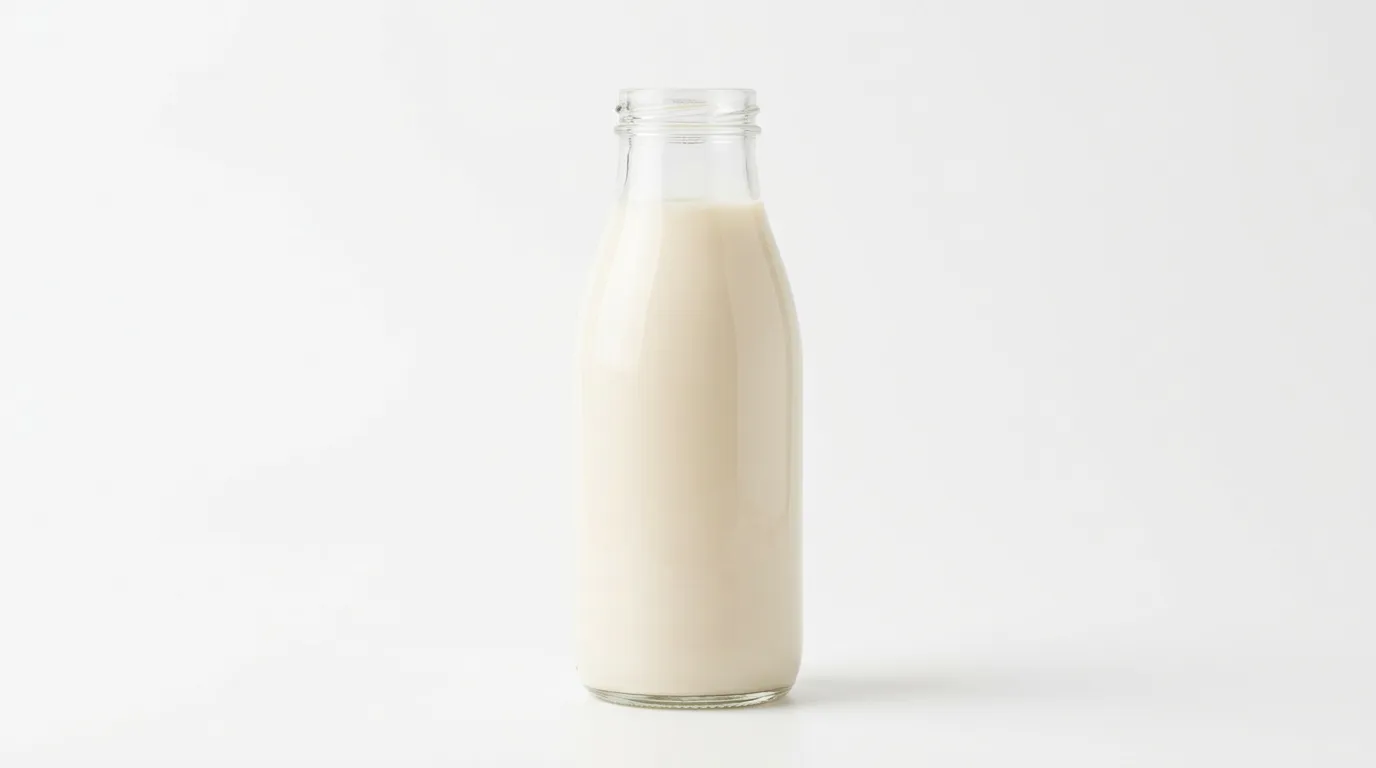
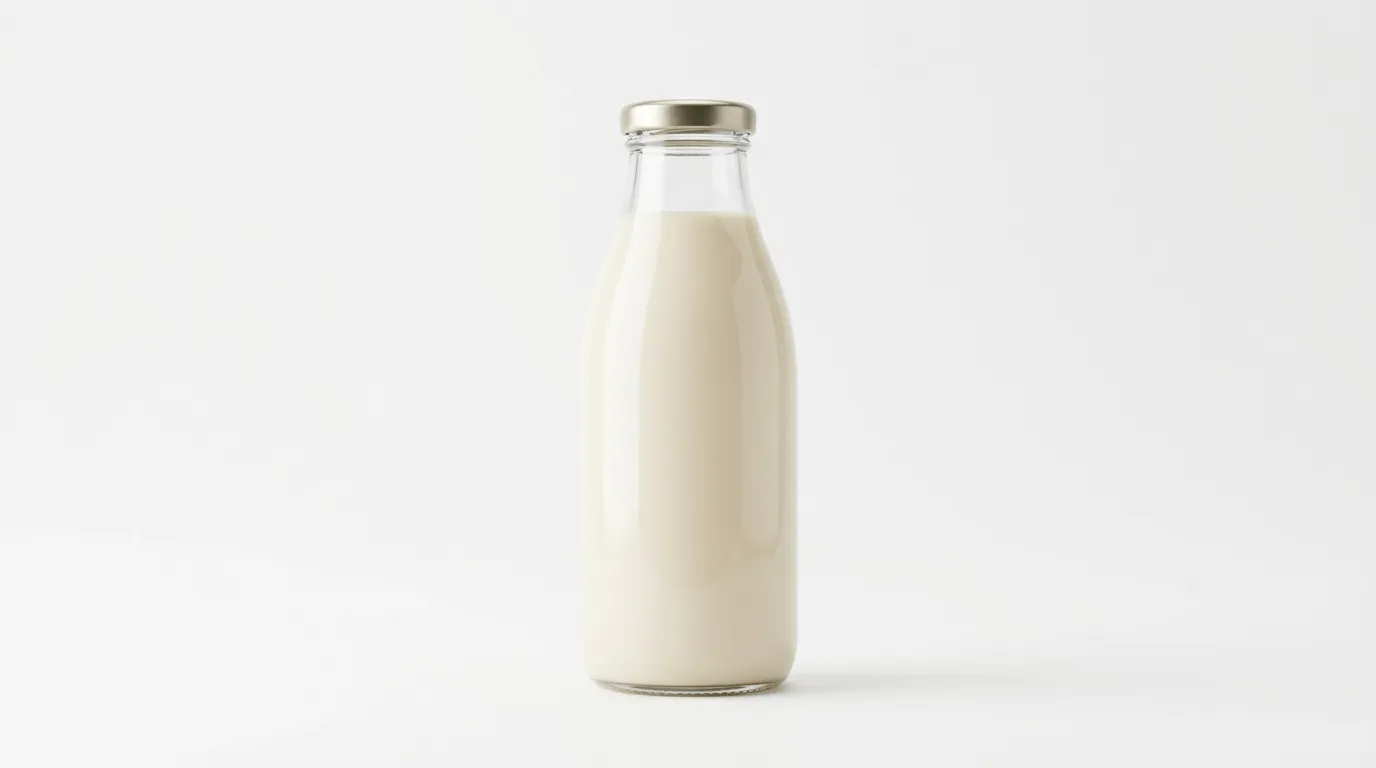
Le lait de coco est un liquide onctueux obtenu à partir de chair de coco mixée avec de l’eau. Dans les repas des bébés et des tout-petits, il est généralement utilisé comme ingrédient plutôt que comme boisson principale — par exemple dans le porridge, les currys, les soupes, les smoothies ou les légumes écrasés. Sa texture riche peut ajouter de la saveur et de la variété aux repas familiaux. Il apporte des matières grasses et des calories, ce qui peut rendre les repas plus rassasiants, mais il n’est pas une source importante de protéines et ne doit pas remplacer le lait maternel, les préparations pour nourrissons ou les alternatives lactées enrichies utilisées sous avis médical. Le lait de coco peut fournir de petites quantités de minéraux comme le fer, le potassium et le magnésium, mais il est préférable de l’associer à d’autres aliments riches en nutriments comme les haricots, les lentilles, la viande, les œufs, le tofu, les fruits et les légumes. La noix de coco n’est pas considérée comme un allergène courant, et la véritable allergie à la noix de coco est rare, mais des réactions peuvent survenir. Comme la noix de coco provient d’un fruit à coque sur le plan botanique, certaines familles s’inquiètent d’une allergie aux fruits à coque, mais la plupart des enfants allergiques aux fruits à coque tolèrent tout de même la noix de coco. Introduisez-en d’abord une petite quantité et surveillez l’apparition de signes de réaction. La plupart des bébés peuvent consommer du lait de coco dès 6 mois lorsqu’il est mélangé à d’autres aliments. Pour les plus jeunes bébés, utilisez-le dans des plats cuits ou mélangez-le aux céréales plutôt que de le proposer seul. À mesure que votre enfant grandit, vous pouvez l’utiliser plus souvent dans des recettes ou proposer de petites gorgées dans une tasse, mais il ne doit pas remplacer les apports lactés du nourrisson.
Comment servir selon l'âge
Utilisez une petite quantité de lait de coco nature, sans sucre ajouté, pour fluidifier le porridge, les lentilles, les légumes écrasés ou les soupes. Il est préférable de l’utiliser comme ingrédient plutôt que de le proposer seul.
Vous pouvez en proposer une petite quantité au cours des repas pour exercer les compétences de boisson, mais continuez à privilégier le lait maternel, les préparations pour nourrissons ou d’autres laits adaptés à l’âge de votre enfant.
Utilisez le lait de coco dans une plus grande variété de recettes comme les smoothies, les ragoûts, les currys et les plats de riz. Choisissez des versions sans sucre ajouté et équilibrez les repas avec des aliments riches en fer et en protéines.
Se marie bien avec
Sécurité et allergènes
Le lait de coco lui-même présente un faible risque d’étouffement lorsqu’il est lisse et bien mélangé. Servez-le incorporé aux aliments ou en petites gorgées dans une tasse ouverte. Évitez les amas épais de crème de coco séparée et ne proposez pas de grandes quantités comme boisson aux jeunes bébés.
À surveiller
Liste de sécurité
Conservation et durée
Réfrigérer le lait de coco ouvert dans un récipient hermétique et l’utiliser dans les 3 à 5 jours.
Congeler le lait de coco dans un récipient hermétique ou un bac à glaçons jusqu’à 3 mois. Décongeler au réfrigérateur et bien remuer avant utilisation.
Nutrition
- Ajoute des matières grasses et des calories qui peuvent rendre les repas plus rassasiants
- Peut aider à créer une texture lisse et onctueuse dans les plats mélangés
- Apporte de petites quantités de fer et de potassium
- Utile pour ajouter de la variété aux plats salés comme sucrés
- Pauvre en protéines
- Ne convient pas comme remplacement du lait maternel ou des préparations pour nourrissons
- Certains produits en conserve sont riches en graisses saturées
- Les versions sucrées peuvent contenir des sucres ajoutés
Nutriments clés
Valeurs nutritionnelles
| Calories | 31kcal |
|---|---|
| Protéines | 0.2g |
| Glucides | 2.9g |
| Lipides | 2.1g |
| Sucres | 2.5g |
| Fer | 0.3mg |
| Calcium | 188.0mg |
| Potassium | 19mg |
| Vitamine A | 63.0µg |
per 100 g
De saison
Questions fréquentes
Quand les bébés peuvent-ils manger Lait de coco ?
Lait de coco présente-t-il un risque d'étouffement ?
Lait de coco est-il un allergène courant ?
Plus de premiers aliments


Suivez Lait de coco — et tout ce que mange votre bébé
Enregistrez les repas et les réactions, recevez des alertes allergènes et suivez le parcours alimentaire de votre bébé d'un coup d'œil dans l'application Alimoo.


Sources