
About Oat Milk
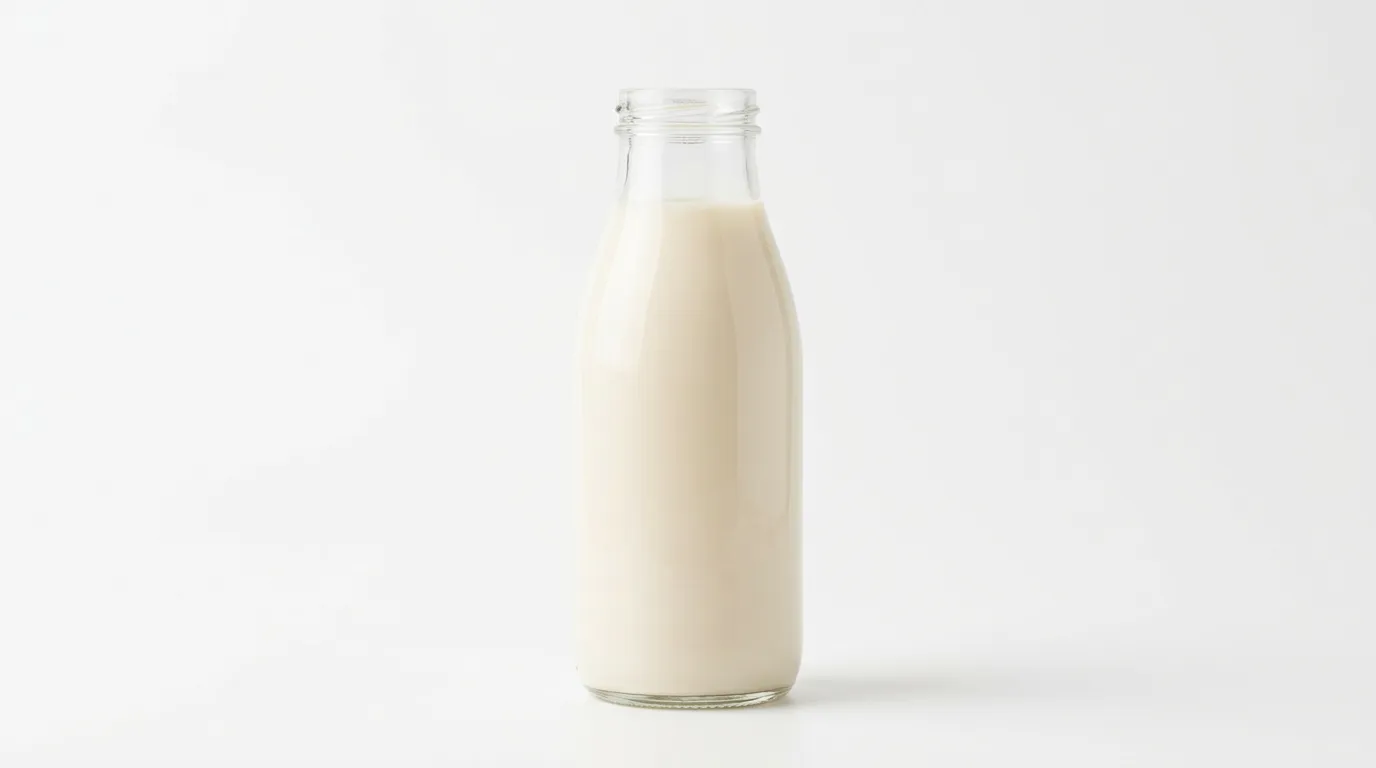
Oat milk is a plant-based beverage made from oats and water, and some versions are fortified with nutrients like calcium and vitamin D. For babies, it is best used as an ingredient in foods rather than as a main drink during the first year, because it does not provide the same nutrition as breast milk, infant formula, or whole cow's milk. Unsweetened fortified oat milk can add creaminess to oatmeal, mashed vegetables, pancakes, or smoothies for older babies and toddlers. Depending on the brand, it may provide calcium and sometimes vitamin D or vitamin B12, but it is usually low in protein and fat compared with whole milk or soy milk. That means it should not be relied on as a major source of nutrition for young children. Oats are not a common major allergen, but reactions can happen. Some children may react to oats themselves, and oat products can sometimes be cross-contaminated with wheat or other grains unless labeled gluten-free. Rarely, oats may trigger FPIES, a delayed food allergy that can cause repetitive vomiting a few hours after eating. Most babies can have small amounts of oat milk in cooked foods from 6 months. Around 12 months, small amounts may be offered in an open cup if your child is eating a varied diet, but it should not replace breast milk, formula, or a nutritionally appropriate milk choice recommended by your clinician. Choose unsweetened, fortified versions and keep portions moderate.
How to serve by age
Use a small amount of unsweetened oat milk to thin oatmeal, mix into mashed foods, or add to cooked recipes. Do not offer it as a main drink before 12 months, since it does not replace breast milk or formula.
If your baby is practicing cup skills, you may offer a few small supervised sips in an open cup or straw cup. Keep intake minimal and continue breast milk or formula as the main milk source.
After 12 months, unsweetened fortified oat milk can be offered in small amounts with meals if your toddler is eating a varied diet. It should not displace iron-rich foods or other nutritionally appropriate milk choices recommended for your child.
Toddlers can have oat milk with meals or in foods like oatmeal, smoothies, or pancakes. Keep portions moderate, since oat milk is usually lower in protein and fat than cow's milk or fortified soy milk.
Pairs well with
Safety & allergens
Oat milk itself is low choking risk, but it should be served in age-appropriate ways. For babies under 12 months, use it in solid foods like oatmeal or baked recipes rather than as a main drink. After 12 months, offer small amounts in an open cup or straw cup while your child is seated and supervised.
What to watch for
Safety checklist
Storage & shelf life
Store unopened shelf-stable oat milk in a cool, dry place until opened. After opening, refrigerate and use within 3-5 days or according to the package directions.
Freeze oat milk for up to 3 months in a freezer-safe container with room for expansion. Thaw in the refrigerator and shake well before using, as separation may occur.
Nutrition
- Can add variety and creaminess to foods
- Often fortified with calcium for bone support
- Usually easy to mix into oatmeal, pancakes, and other recipes
- Unsweetened versions can fit well into family meals
- Usually low in protein
- Usually lower in fat than whole milk
- Not suitable as a replacement for breast milk or infant formula
- Some brands contain added sugars or flavorings
Key nutrients
Nutrition facts
| Calories | 884kcal |
|---|---|
| Fat | 100.0g |
per 100 g
In season
Common questions
When can babies eat Oat Milk?
Is Oat Milk a choking hazard?
Is Oat Milk a common allergen?
More first foods


Track Oat Milk and everything your baby eats
Log meals and reactions, get allergen alerts, and see your baby's food journey at a glance in the Alimoo app.


Backed by