
About Great Northern Bean
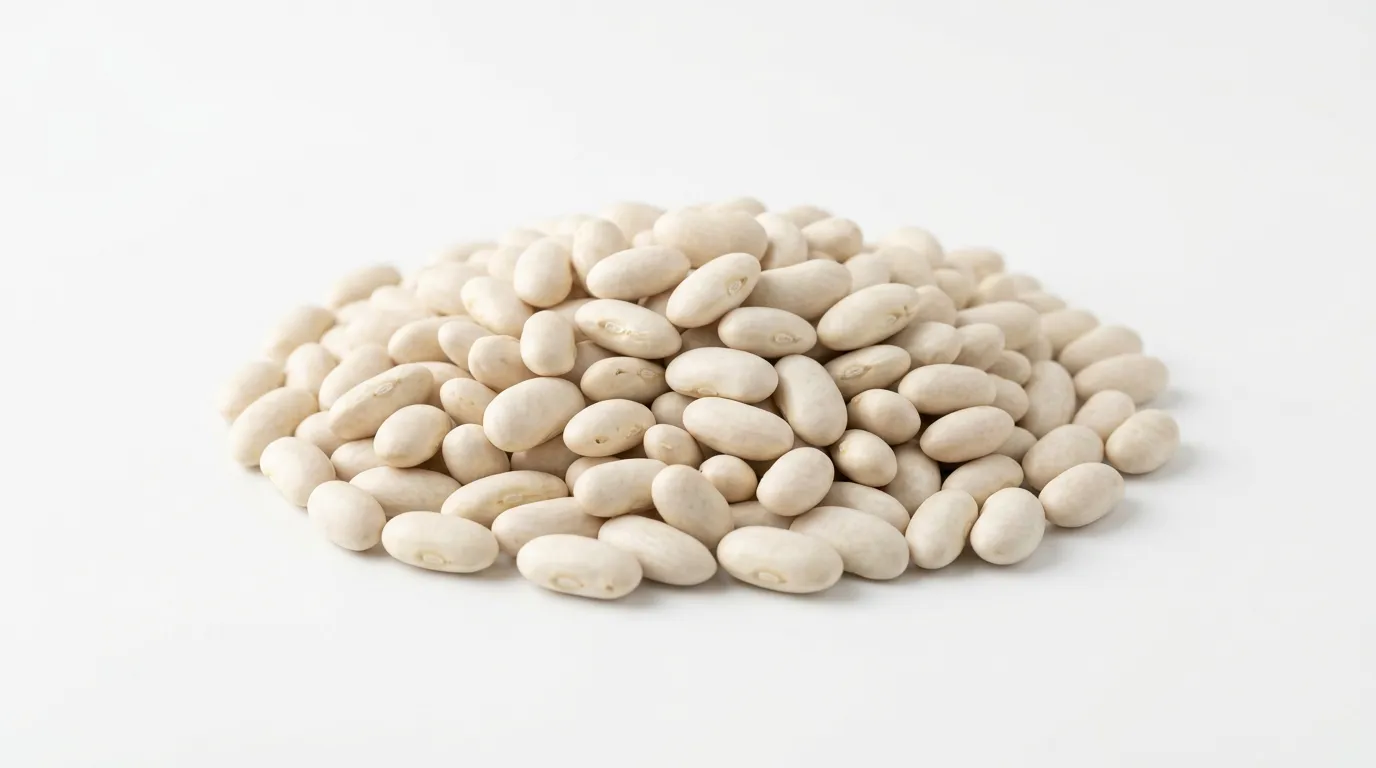
Great Northern beans are small white beans with a mild flavor and soft texture when fully cooked. They can be a nutritious food for babies because they mash easily, blend well into spreads and soups, and can later be offered as soft finger food. These beans provide plant protein, fiber, iron, folate, and potassium. Iron and folate support healthy blood and growth, while fiber can help support digestion. Because beans are not especially high in vitamin C, serving them with vitamin C-rich foods like tomato, bell pepper, citrus, or strawberries can help the body absorb their iron more effectively. Great Northern beans are not a common allergen, but allergic reactions to legumes can happen. Babies with a history of reactions to other legumes such as peanut, soy, lentils, or peas may need extra caution when trying beans for the first time. Raw or undercooked dried beans should never be served, and canned beans should be rinsed well to reduce sodium. Most babies can start Great Northern beans from 6 months old as a smooth mash or thick puree. As chewing skills improve, offer well-cooked beans mashed with a fork, then flattened whole beans, and later soft whole beans in small portions. Always make sure the beans are fully cooked and very soft before serving.
How to serve by age
Blend or mash fully cooked Great Northern beans with water, breast milk, formula, olive oil, or plain yogurt for a soft, scoopable texture. You can preload a spoon or let baby self-feed from a thick mash.
Once your baby is developing a pincer grasp, offer very soft beans mashed with a fork or flattened individually to reduce choking risk. Avoid firm skins or beans that are not fully cooked.
Serve small portions of fully cooked soft whole beans as finger food or alongside rice, vegetables, or sauces. Continue to check that the beans are tender and easy to squish.
Toddlers can enjoy Great Northern beans in soups, stews, grain bowls, patties, or lightly mashed salads. Keep portions manageable and continue supervising closely during meals.
Pairs well with
Safety & allergens
Great Northern beans can be a choking risk if they are firm, undercooked, or served whole too early. For younger babies, serve as a smooth mash or puree. As skills improve, offer very soft beans flattened between fingers or with a fork. Whole beans should be fully cooked and soft enough to squish easily.
What to watch for
Safety checklist
Storage & shelf life
Store cooked Great Northern beans in an airtight container in the refrigerator for 3-5 days.
Freeze cooked beans or bean mash in an airtight container for up to 3 months. Thaw in the refrigerator before serving.
Nutrition
- Provides plant protein to support growth
- Contains iron for healthy blood development
- Rich in fiber to support digestion
- Offers folate for cell growth and development
- Provides potassium for muscle and nerve function
- Not a strong source of vitamin C
- Plant iron is absorbed better when paired with vitamin C-rich foods
- Can cause gas in some babies and toddlers
- Canned versions may be high in sodium if not rinsed
Key nutrients
Nutrition facts
| Calories | 114kcal |
|---|---|
| Protein | 7.4g |
| Carbs | 21.0g |
| Fat | 0.4g |
| Fiber | 4.9g |
| Sugar | 1.4g |
| Iron | 1.6mg |
| Calcium | 53.0mg |
| Potassium | 351mg |
| Vitamin C | 1mg |
| Folate | 81µg |
| Zinc | 0.65mg |
per 100 g
In season
Common questions
When can babies eat Great Northern Bean?
Is Great Northern Bean a choking hazard?
Is Great Northern Bean a common allergen?
More first foods

Track Great Northern Bean and everything your baby eats
Log meals and reactions, get allergen alerts, and see your baby's food journey at a glance in the Alimoo app.


Backed by