
About Cotija Cheese
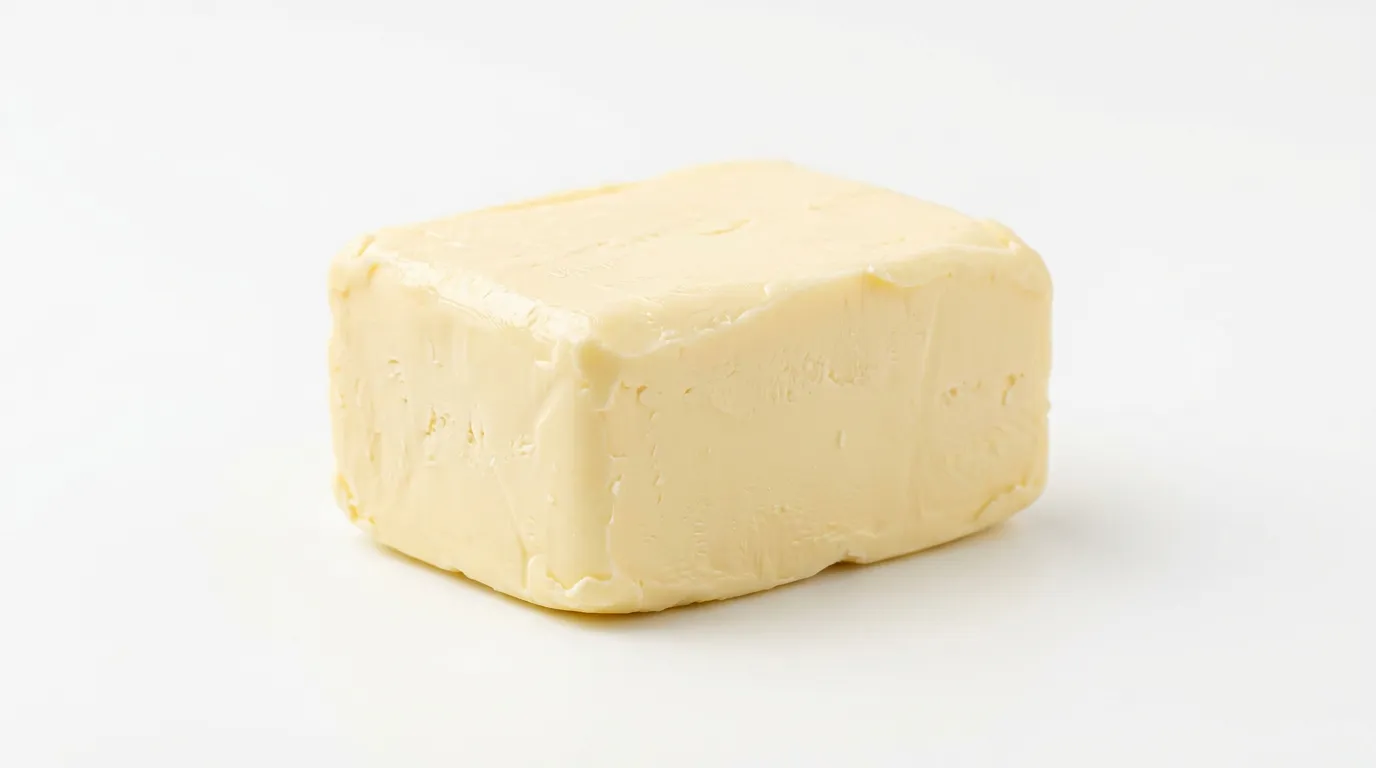
Cotija is a firm, salty Mexican cow's milk cheese often used crumbled or finely grated over foods. For babies and toddlers, it can add flavor and calcium in very small amounts, but it is not usually an ideal everyday cheese for early feeding because it is quite high in sodium and can be dry and crumbly. Cotija provides protein and calcium to support growth, bones, and teeth. It also contains vitamin B12 and zinc, which help support the nervous system, red blood cell formation, and immune function. Because it is concentrated and aged, a little goes a long way nutritionally and in flavor. Milk is a common allergen, so introduce cotija carefully and watch for signs of an allergic reaction. Choose pasteurized cotija for babies and toddlers to reduce food safety risk. Its dry, crumbly texture can also raise choking risk if served in large clumps, cubes, or thick pieces, so it should be offered only in very small, finely grated, or well-softened forms. Most babies do not need cotija early on, and because of its high sodium content it is best limited before 12 months. If offered between 6 and 12 months, keep it to an occasional tiny taste mixed into other foods. From 12 months onward, serve small amounts finely grated or very finely crumbled over soft foods, and progress to thin shavings or melted into dishes for older toddlers.
How to serve by age
Because cotija is high in sodium, it is best avoided as a regular food before 12 months. If you choose to offer it, use only a very small amount of pasteurized cotija finely grated into a moist food such as beans, avocado, or cooked vegetables.
Serve a small sprinkle of pasteurized cotija over soft, moist foods. Keep portions modest because the cheese is salty, and avoid serving dry clumps or chunks.
Offer cotija in small amounts as fine crumbles or thin shavings over foods like beans, eggs, or vegetables. It can also be stirred into warm dishes so it softens and is easier to chew.
Pairs well with
Safety & allergens
Cotija can be dry, crumbly, and salty. Serve only in very small amounts, finely grated or very finely crumbled over moist foods. Avoid cubes, thick slices, large clumps, or dry mouthfuls that can be hard for babies to manage.
What to watch for
Safety checklist
Storage & shelf life
Refrigerate cotija in an airtight container or tightly wrapped and use within 3-5 days after opening or crumbling.
Freeze tightly wrapped cotija for up to 3 months. Thaw in the refrigerator; texture may become more crumbly after freezing.
Nutrition
- Rich in calcium for bones and teeth
- Provides protein for growth
- Contains vitamin B12 for nerve and blood cell health
- Adds strong flavor in a very small amount
- Very high in sodium
- Common milk allergen
- Dry, crumbly texture can increase choking risk if served in large pieces
- Not a good primary iron source
Key nutrients
Nutrition facts
| Calories | 366kcal |
|---|---|
| Protein | 20.0g |
| Carbs | 4.0g |
| Fat | 30.0g |
| Calcium | 800.0mg |
| Potassium | 125mg |
| Vitamin A | 229.0µg |
| Folate | 10µg |
| Zinc | 3.87mg |
per 100 g
In season
Common questions
When can babies eat Cotija Cheese?
Is Cotija Cheese a choking hazard?
Is Cotija Cheese a common allergen?
More first foods

Track Cotija Cheese and everything your baby eats
Log meals and reactions, get allergen alerts, and see your baby's food journey at a glance in the Alimoo app.


Backed by