
About Cheese
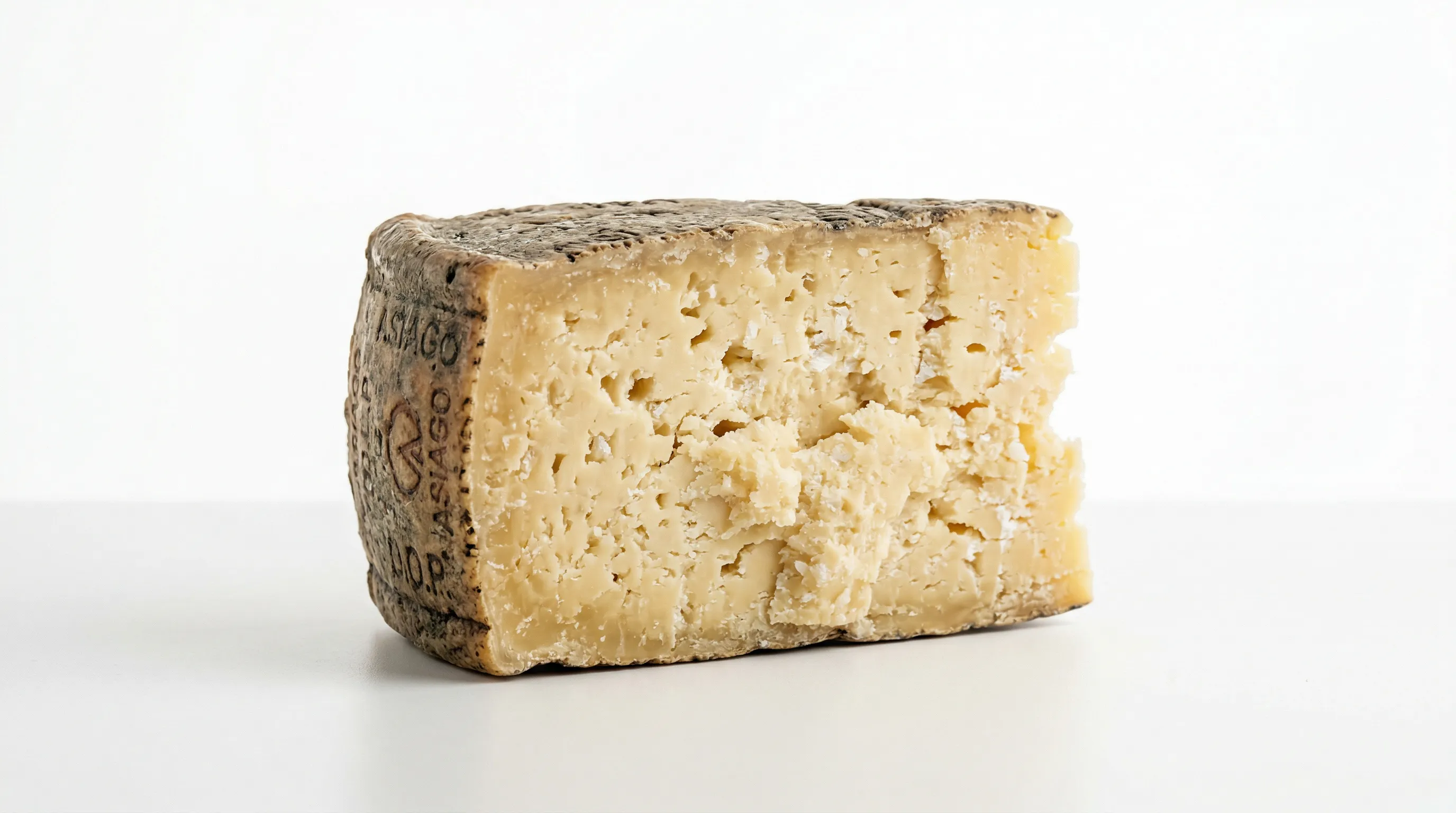
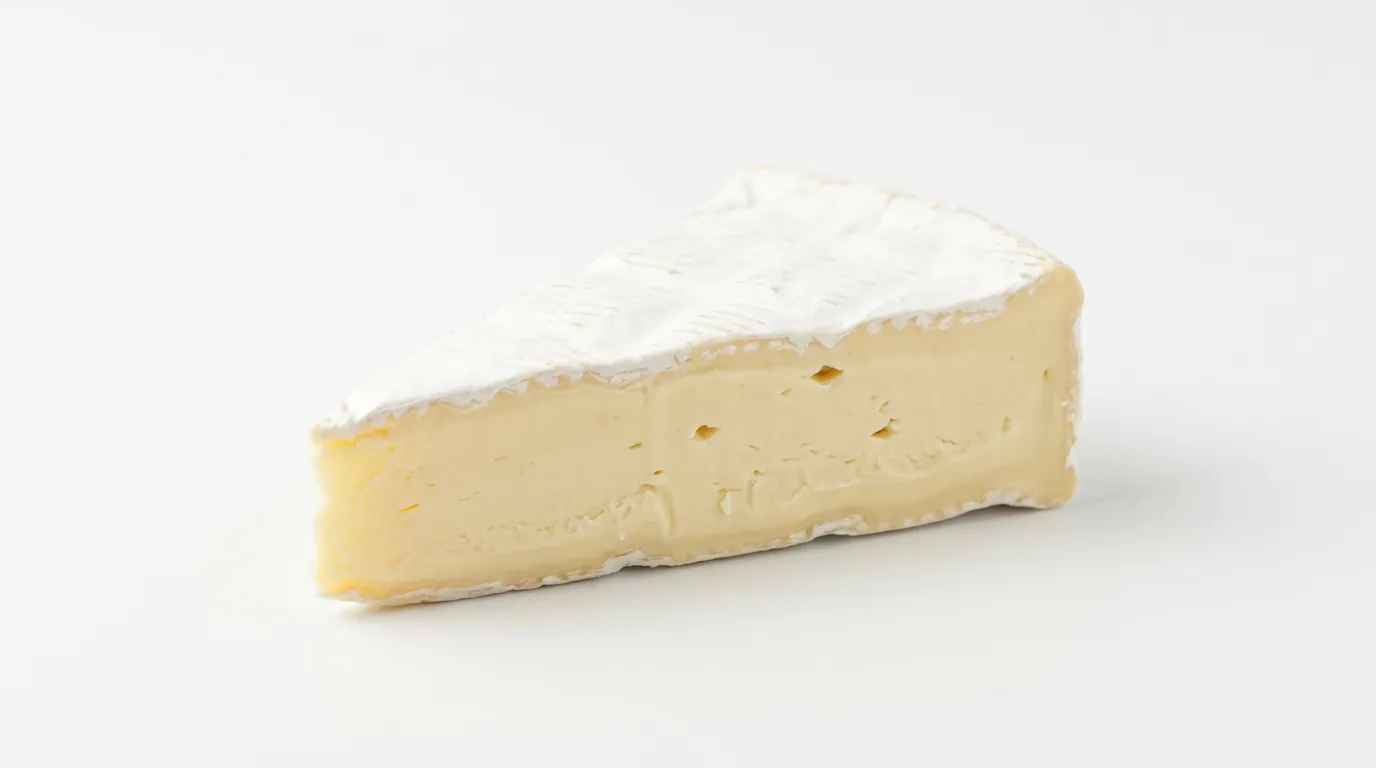
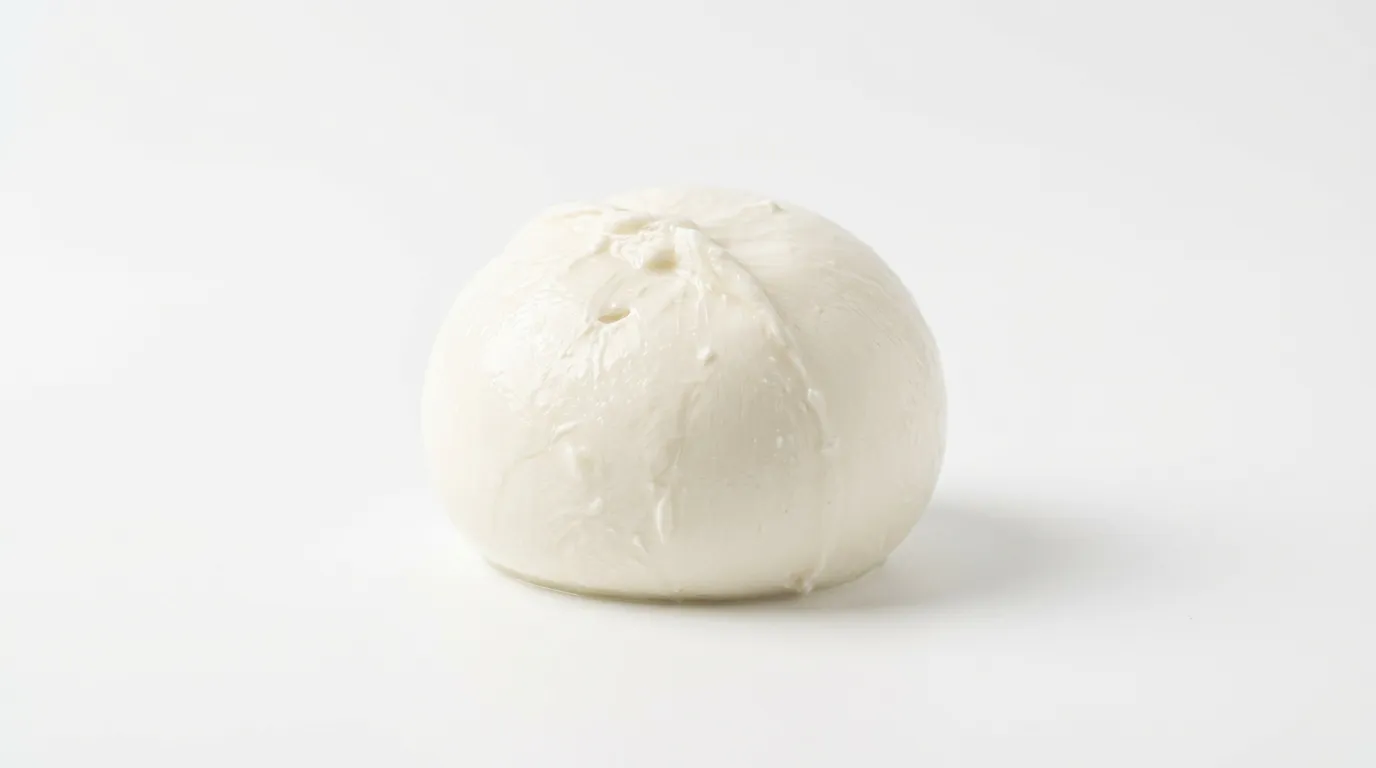
Cheese can be a nutritious food for babies when served in safe shapes and chosen carefully. It offers a concentrated source of energy, protein, and calcium, which can support growth during infancy and toddlerhood. Because many cheeses are salty and some textures can be sticky or hard to manage, it is best introduced thoughtfully and in small amounts. Cheese is especially valued for calcium to support bones and teeth, protein for growth, and vitamin A for vision and immune function. It can also add richness and flavor to meals, which may help babies accept a wider variety of foods. Lower-sodium, pasteurized cheeses are the best choices for young children. Cheese is a common allergen because it contains milk protein. Reactions can range from mild hives or vomiting to more serious symptoms like swelling or breathing trouble. Cheese should also always be pasteurized for babies and toddlers, and mold-ripened, unpasteurized, or very high-sodium cheeses are not good choices for routine infant feeding. Most babies can start cheese from 6 months old if it is pasteurized and served in a safe form, such as thinly spread soft cheese or a long, thin strip of semi-firm cheese. As chewing skills improve, you can move to shredded cheese, small soft pieces, and melted cheese mixed into other foods. Avoid cubes, thick chunks, and large sticky mouthfuls at all ages.
How to serve by age
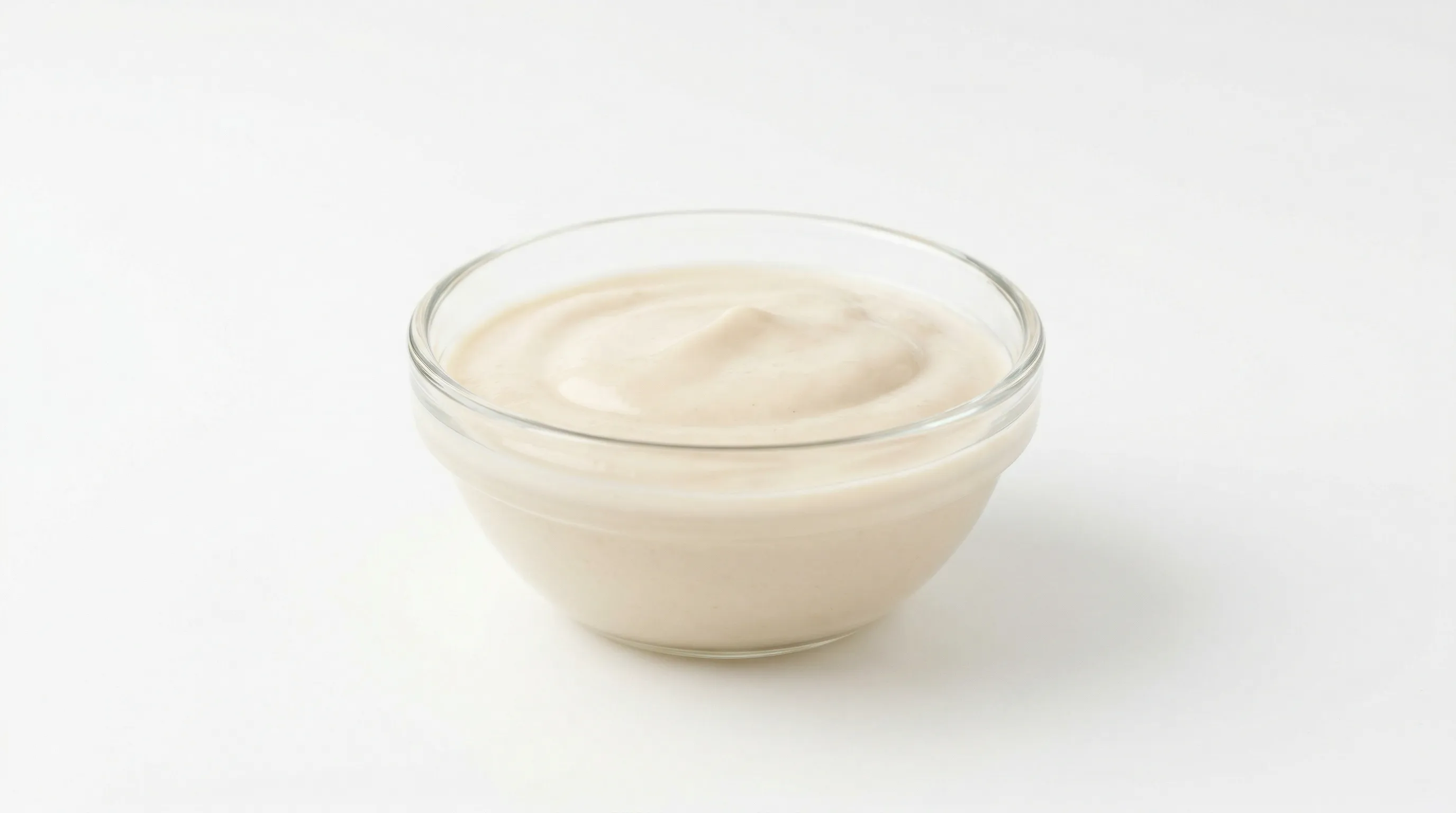
Offer pasteurized soft cheese thinly spread on toast, vegetables, or other foods, or serve a long, thin strip of semi-firm cheese that baby can grasp. Avoid cubes, thick slices, and salty cheeses.
Once your baby is developing a pincer grasp, offer shredded cheese or very small soft pieces. Continue to avoid cubes and choose lower-sodium, pasteurized options.
Offer thin slices, small manageable pieces, or melted cheese mixed into eggs, vegetables, pasta, or beans. Avoid thick melted clumps and continue to supervise closely.
Toddlers can enjoy a wider variety of pasteurized cheeses in thin slices or small pieces. Keep portions moderate because cheese can be high in sodium and saturated fat, and continue to avoid very hard or oversized pieces.
Pairs well with
Safety & allergens
Cheese can be a choking risk when served in cubes, thick chunks, or sticky globs. For younger babies, offer thinly spread soft cheese or long, thin slices or shreds of pasteurized cheese. Avoid cheese cubes, large bites, and thick melted clumps that can form a sticky mass in the mouth.
What to watch for
Safety checklist
Storage & shelf life
Store cheese in the refrigerator in its original packaging or an airtight container. Once opened, use within 3-5 days for fresh cheeses or according to package guidance for harder cheeses.
Freeze shredded or block cheese in an airtight freezer-safe container for up to 3 months. Texture may become more crumbly after thawing, so frozen cheese is often best used melted into foods.
Nutrition
- Rich in calcium for bones and teeth
- Provides protein to support growth
- Contains vitamin A for vision and immune health
- Adds energy and flavor to meals
- Can be high in sodium
- Often high in saturated fat
- Not a good source of fiber
- A common milk allergen
Key nutrients
Nutrition facts
| Calories | 295kcal |
|---|---|
| Protein | 7.1g |
| Carbs | 3.5g |
| Fat | 28.6g |
| Sugar | 3.5g |
| Iron | 1.1mg |
| Calcium | 71.0mg |
| Potassium | 112mg |
| Vitamin A | 302.0µg |
| Folate | 12µg |
| Zinc | 0.51mg |
per 100 g
In season
Common questions
When can babies eat Cheese?
Is Cheese a choking hazard?
Is Cheese a common allergen?
More first foods

Track Cheese and everything your baby eats
Log meals and reactions, get allergen alerts, and see your baby's food journey at a glance in the Alimoo app.


Backed by