
About Cheddar Cheese
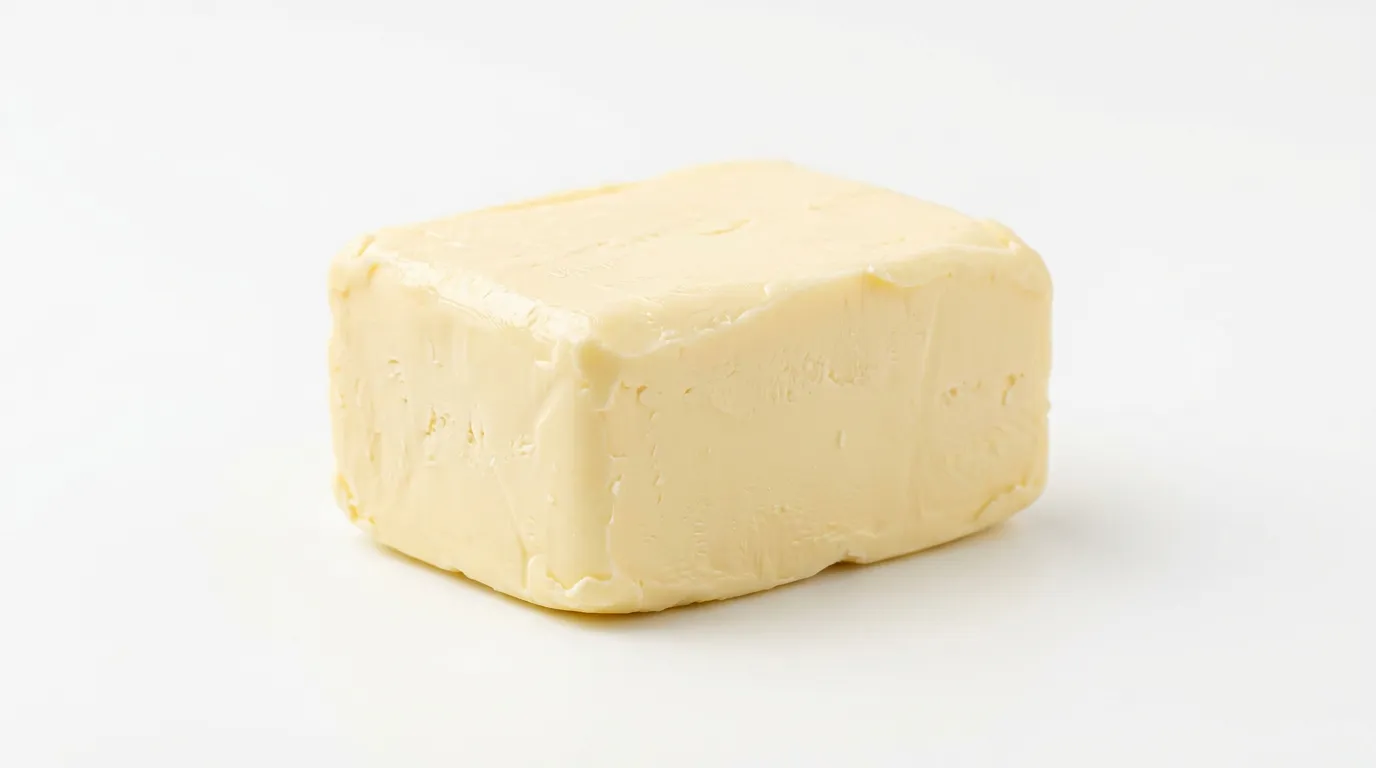
Cheddar cheese is a firm aged cheese made from cow's milk. It can be a flavorful food for babies and toddlers when served in safe shapes, and it offers concentrated nutrition in small portions. Because cheddar is salty and dense, it is best offered as part of a varied meal rather than in large amounts. Cheddar provides protein for growth, calcium for bones and teeth, vitamin A for vision and immune function, and zinc for healthy development. It also contains fat, which supports brain growth in young children. Since cheddar is low in iron and often high in sodium, it should not replace iron-rich foods like meat, beans, lentils, or iron-fortified cereals. Cow's milk is a common allergen, so introduce cheddar carefully the first time. Use pasteurized cheese and watch for signs of an allergic reaction such as hives, swelling, vomiting, diarrhea, coughing, or wheezing. Some children with cow's milk allergy may also react to other dairy foods. Rarely, delayed severe vomiting can be related to FPIES and needs urgent medical attention. Most babies can start cheddar from 6 months old if it is served in a safe texture and shape. For younger babies, offer very thin slices or finely grated cheese that softens easily in the mouth. As chewing skills improve, you can offer shredded cheese, melted thin layers on toast or vegetables, and small pieces in mixed dishes while continuing close supervision.
How to serve by age
Offer pasteurized cheddar as very thin, flat slices or finely grated shreds that soften quickly in the mouth. Avoid cubes and thick pieces, which are harder for beginners to manage safely.
Sprinkle grated or finely shredded cheddar over soft foods like vegetables, eggs, or beans. Continue to avoid cubes and thick sticky pieces.
Offer cheddar melted in a thin layer on toast, vegetables, or in omelets and pasta. Make sure melted cheese is not too hot and does not form long stretchy strings or thick globs.
Toddlers with mature chewing skills can have small bite-sized pieces of cheddar with meals, but cubes and oversized chunks are still best avoided because they can be swallowed whole.
Pairs well with
Safety & allergens
Cheddar can be a choking risk because its firm texture can form sticky globs in the mouth. Serve as very thin slices, finely grated shreds, or melted in a thin layer. Avoid cubes, thick chunks, and large sticky mouthfuls.
What to watch for
Safety checklist
Storage & shelf life
Store cheddar cheese in the refrigerator, well wrapped or in an airtight container, and use opened cheese within 3-5 days for best quality.
Freeze cheddar tightly wrapped or in an airtight freezer-safe container for up to 3 months. Thaw in the refrigerator; texture may become more crumbly after freezing.
Nutrition
- Provides calcium for strong bones and teeth
- Contains protein to support growth
- Offers vitamin A for vision and immune health
- Contains zinc for healthy growth and immune function
- High in sodium, so best served in small portions
- Low in iron
- Low in fiber
- Can be a choking risk if served in cubes or thick pieces
Key nutrients
Nutrition facts
| Calories | 239kcal |
|---|---|
| Protein | 16.7g |
| Carbs | 11.6g |
| Fat | 14.0g |
| Sugar | 7.7g |
| Iron | 0.3mg |
| Calcium | 562.0mg |
| Potassium | 242mg |
| Vitamin A | 114.0µg |
| Folate | 7µg |
| Zinc | 2.59mg |
per 100 g
In season
Common questions
When can babies eat Cheddar Cheese?
Is Cheddar Cheese a choking hazard?
Is Cheddar Cheese a common allergen?
More first foods

Track Cheddar Cheese and everything your baby eats
Log meals and reactions, get allergen alerts, and see your baby's food journey at a glance in the Alimoo app.


Backed by