
About Camembert Cheese
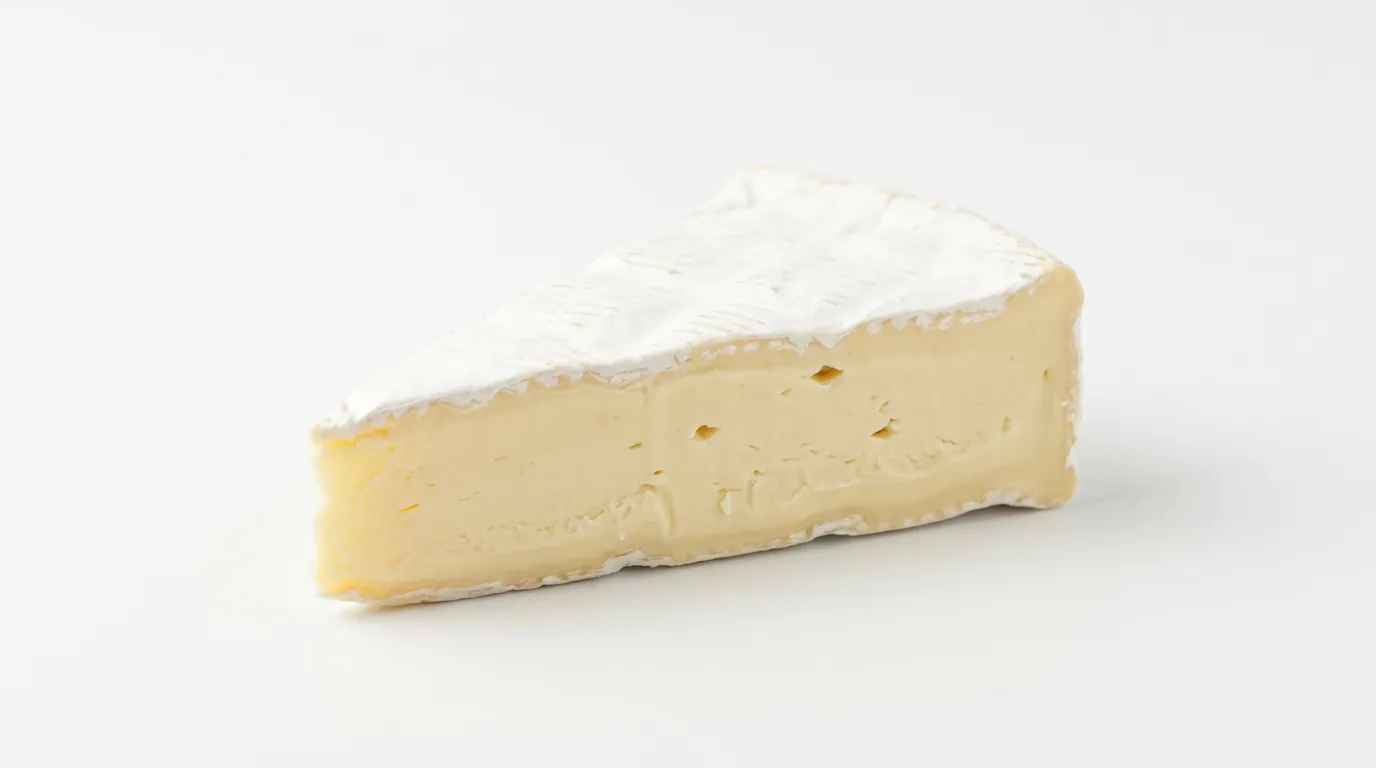
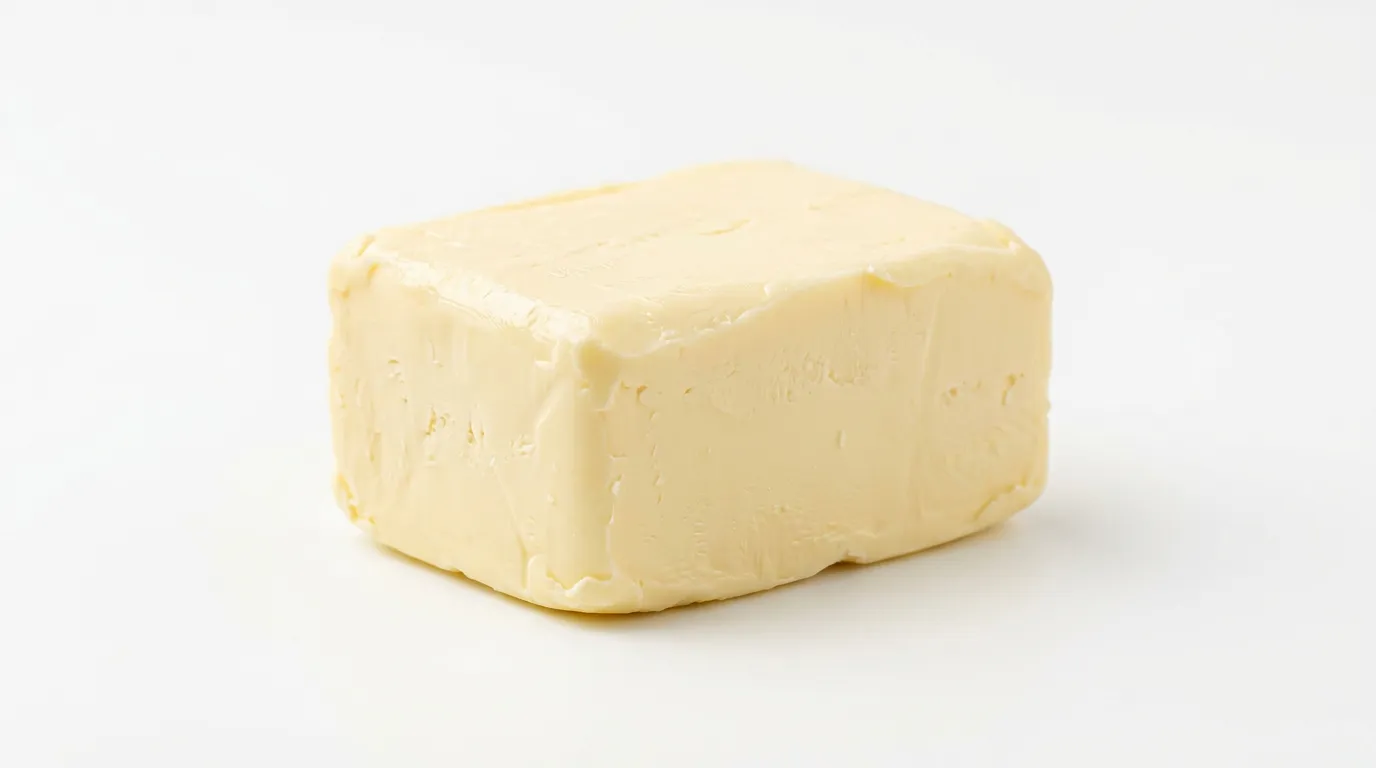
Camembert is a soft-ripened cow's milk cheese with a creamy interior and edible white rind. For babies and toddlers, it can add variety, flavor, and texture to meals, but it needs extra care because soft cheeses carry a higher food safety risk than many other cheeses. Camembert provides calcium and protein to support growing bones, teeth, and muscles. It also contains vitamin A and vitamin B12. Because it is energy-dense, a small amount can go a long way, but it is also relatively high in sodium and saturated fat, so it is best offered as part of a balanced meal rather than in large portions. Cow's milk is a common allergen, so introduce Camembert carefully and watch for signs of an allergic reaction. Choose pasteurized Camembert only. For babies under 12 months, many families prefer to wait or only offer it thoroughly heated until steaming hot to reduce foodborne illness risk. Avoid serving large sticky chunks, which can form a gummy mouthful and increase choking risk. If you choose to introduce Camembert from 6 months, offer a very thin layer spread on toast, vegetables, or other soft foods after heating thoroughly. As your child gets older, you can progress to thin melted portions or very small soft pieces. Continue to supervise closely and keep portions modest because of the salt content.
How to serve by age
Because soft cheese carries a higher food safety risk, many families choose to wait. If offering from 6 months, use pasteurized Camembert only, heat it thoroughly until steaming hot, and spread a very thin layer on toast fingers, soft vegetables, or another easy-to-hold food.
After 12 months, pasteurized Camembert can be offered in small amounts as a thin spread or melted onto soft foods. Avoid thick wedges or large bites, which can form a sticky clump in the mouth.
Offer very small soft pieces or thin slices once your toddler can take small bites and chew well. Continue to keep portions modest and supervise closely because soft cheese can still be a choking risk.
Pairs well with
Safety & allergens
Soft-ripened cheese can clump into a sticky ball in the mouth. For babies, avoid large chunks or thick slices. Use pasteurized Camembert only, heat it thoroughly if serving to younger babies, and spread a thin layer on toast or another soft food. For older toddlers, offer only very small soft pieces and supervise closely.
What to watch for
Safety checklist
Storage & shelf life
Refrigerate Camembert in its original packaging or an airtight container and use within 3-5 days after opening.
Freezing is not recommended, as it can damage the texture and quality.
Nutrition
- Provides calcium for bones and teeth
- Contains protein for growth
- Offers vitamin A for vision and immune function
- Energy-dense, so a small amount can be satisfying
- High in sodium
- High in saturated fat
- Not a good source of fiber
- Soft sticky texture can increase choking risk if served in large pieces
Key nutrients
Nutrition facts
| Calories | 300kcal |
|---|---|
| Protein | 19.8g |
| Carbs | 0.5g |
| Fat | 24.3g |
| Sugar | 0.5g |
| Iron | 0.3mg |
| Calcium | 388.0mg |
| Potassium | 187mg |
| Vitamin A | 241.0µg |
| Folate | 62µg |
| Zinc | 2.38mg |
per 100 g
In season
Common questions
When can babies eat Camembert Cheese?
Is Camembert Cheese a choking hazard?
Is Camembert Cheese a common allergen?
More first foods

Track Camembert Cheese and everything your baby eats
Log meals and reactions, get allergen alerts, and see your baby's food journey at a glance in the Alimoo app.


Backed by