
About Quail Egg
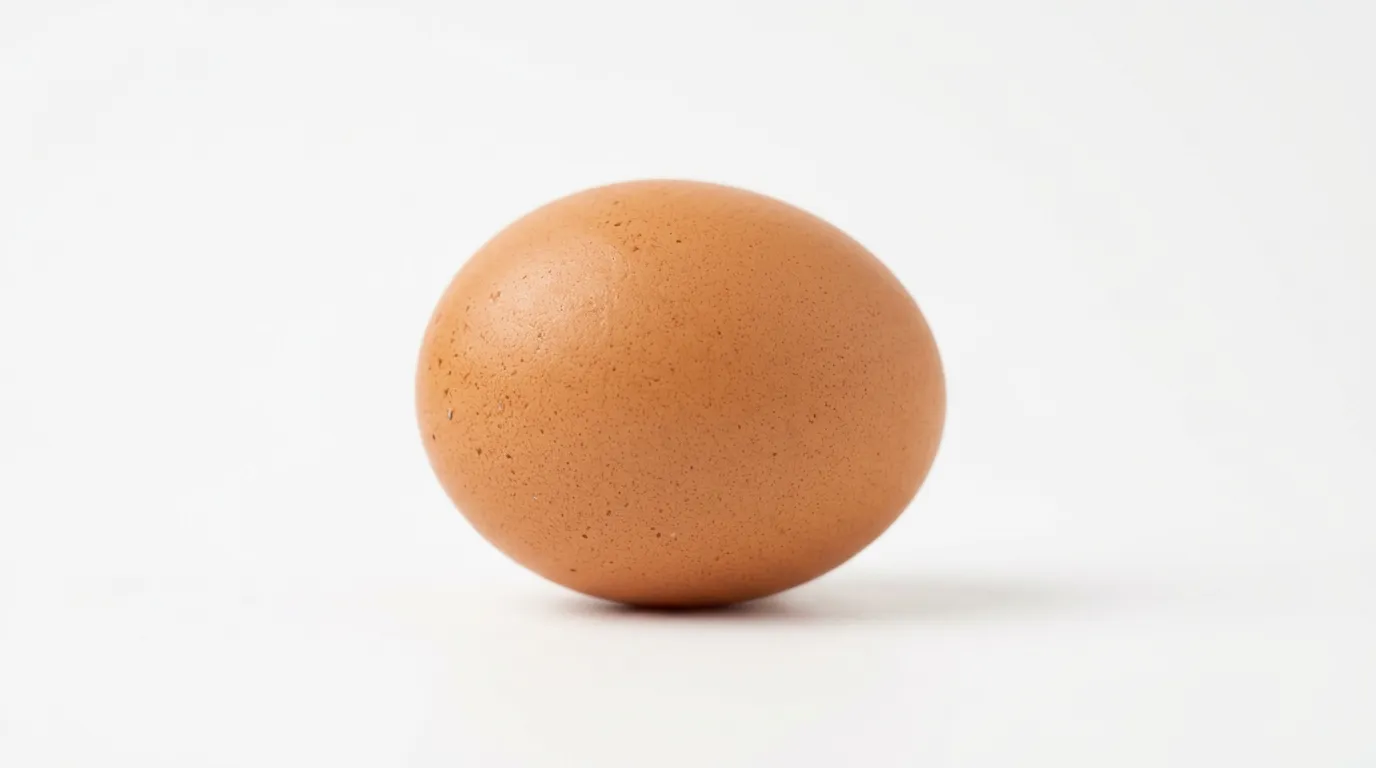
Quail eggs are small eggs with a mild flavor and a nutrient profile similar to chicken eggs. They can be a fun food for babies and toddlers, but because of their small round shape they need careful preparation to be served safely. They provide high-quality protein and important nutrients including choline for brain development, iron for blood health, vitamin A for vision and immune function, and vitamin B12 and selenium to support growth. Quail eggs also contain some vitamin D and healthy fats, making them a nourishing addition to meals when offered alongside iron-rich plant foods, fruits, vegetables, and grains. Egg is a common allergen, and quail egg proteins can cross-react with chicken egg proteins. A child with an egg allergy may also react to quail eggs, so they should be introduced with the same caution as other eggs. Always serve quail eggs fully cooked, since raw or undercooked eggs can carry salmonella. Most babies can start fully cooked egg from 6 months, but quail eggs are usually easier to manage after pincer grasp develops because their small size can increase choking risk if served whole. For younger babies, mash the fully cooked yolk and white together or finely chop and mix into another food. As your child gets older, offer quail eggs halved, quartered, or chopped into dishes with close supervision.
How to serve by age
For babies just starting solids, mash the fully cooked yolk and white together with breast milk, formula, yogurt, or another familiar food, or finely chop and mix into mash. Avoid offering the egg whole because its small round shape can be a choking risk.
Once your baby is developing a pincer grasp, offer fully cooked quail egg cut into halves or quarters. You can also chop it into rice, vegetables, or other soft foods for easier self-feeding.
Serve fully cooked quail egg quartered, sliced, or chopped into dishes like grain bowls, soft salads, curries, or noodle dishes. Continue to avoid serving whole eggs.
Toddlers can eat quail egg in small bite-sized pieces as part of family meals. Keep pieces manageable, encourage small bites, and supervise closely since the smooth texture can still make them easy to swallow whole.
Pairs well with
Safety & allergens
Whole hard-boiled quail eggs can be a choking hazard because they are small, smooth, and round. Always serve them fully cooked and cut into halves or quarters, or mash/chop them into another food for younger babies. Never offer whole quail eggs to babies or toddlers.
What to watch for
Safety checklist
Storage & shelf life
Store cooked, peeled quail eggs in an airtight container in the refrigerator and use within 3-5 days.
Freezing is not recommended because the texture becomes rubbery and watery after thawing.
Nutrition
- Provides high-quality protein for growth
- Contains choline to support brain development
- Offers iron and vitamin B12 for blood health
- Provides vitamin A for vision and immune support
- Egg is a common allergen
- Not a source of fiber
- Small portions provide limited total iron compared with larger iron-rich foods
Key nutrients
Nutrition facts
| Calories | 158kcal |
|---|---|
| Protein | 13.0g |
| Carbs | 0.4g |
| Fat | 11.1g |
| Sugar | 0.4g |
| Iron | 3.6mg |
| Calcium | 64.0mg |
| Potassium | 132mg |
| Vitamin A | 156.0µg |
| Folate | 66µg |
| Zinc | 1.47mg |
per 100 g
In season
Common questions
When can babies eat Quail Egg?
Is Quail Egg a choking hazard?
Is Quail Egg a common allergen?
More first foods


Track Quail Egg and everything your baby eats
Log meals and reactions, get allergen alerts, and see your baby's food journey at a glance in the Alimoo app.


Backed by