
About Duck Egg
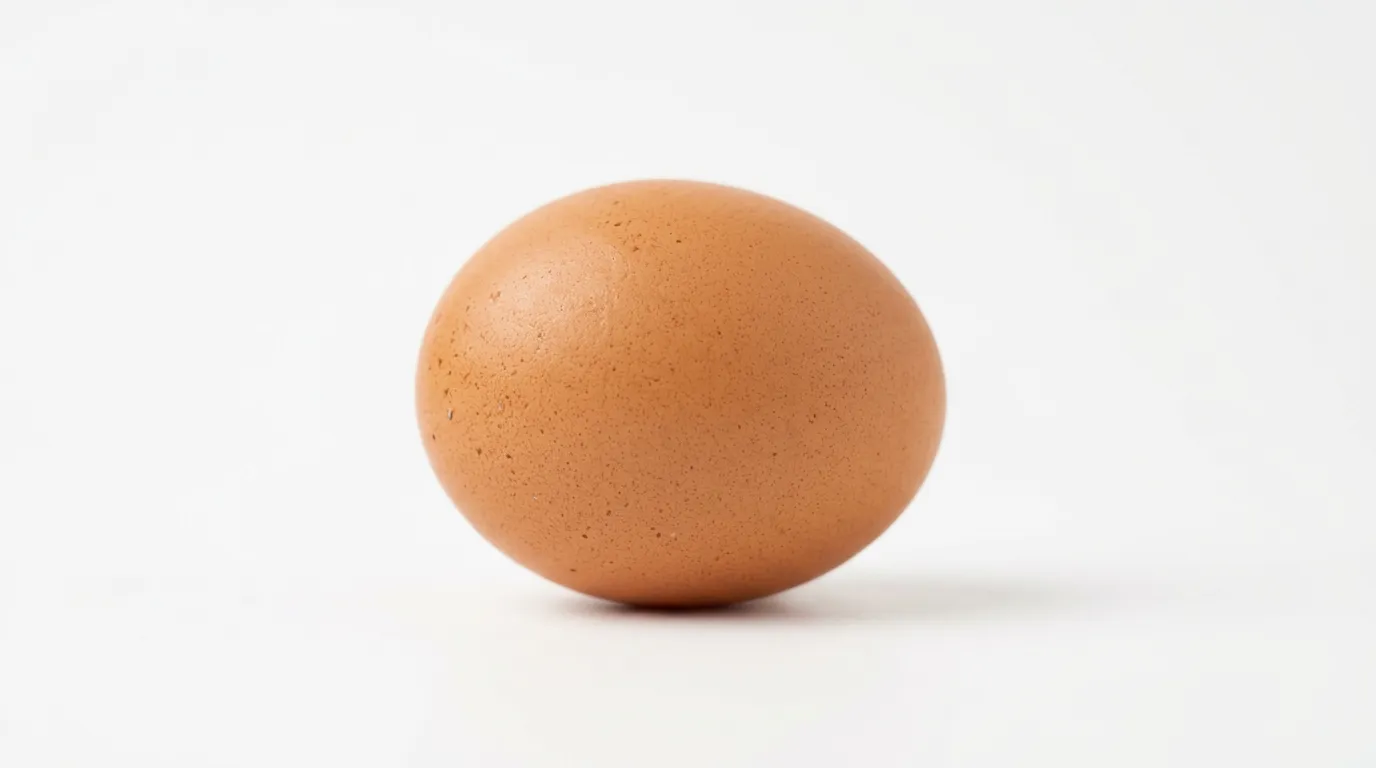
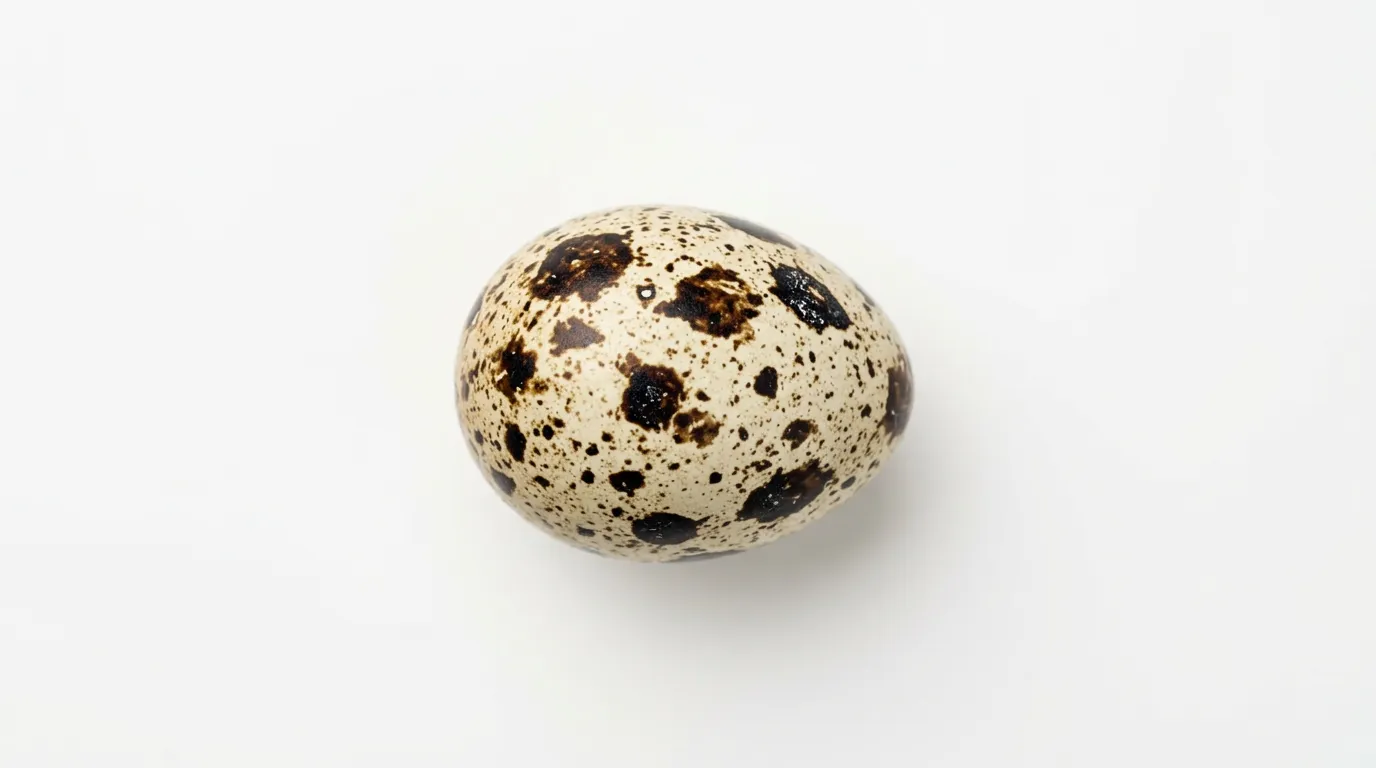
Duck egg is an egg from a duck, with a richer taste and slightly larger size than a chicken egg. For babies and toddlers, it can be a nutritious food when fully cooked and served in soft, easy-to-handle pieces such as omelet strips, scrambled egg curds, or finely chopped hard-cooked egg. Duck eggs provide high-quality protein for growth and tissue repair, along with iron, zinc, choline, and vitamin A. They also contain more fat than many first foods, which can help provide energy for growing children. Because eggs are nutrient-dense, duck eggs can be a useful part of a varied diet alongside fruits, vegetables, grains, beans, and iron-rich foods. Egg is a common allergen, and duck egg proteins can cross-react with chicken egg proteins. If your child has a known egg allergy, duck eggs should only be introduced with guidance from your pediatric clinician or allergist. Always cook duck eggs thoroughly until both white and yolk are fully set, since raw or undercooked eggs can carry harmful bacteria. Most babies can start duck egg from 6 months old if developmentally ready for solids. Begin with a small amount of well-cooked egg, such as a soft omelet strip or mashed hard-cooked egg mixed into another food. As your child gets older, you can offer bite-sized pieces, chopped egg, or use duck egg in fully cooked family meals like fritters, pancakes, or baked dishes.
How to serve by age
Offer a small amount of fully cooked duck egg as soft omelet strips or tender scrambled pieces that baby can pick up. Avoid runny or undercooked egg.
Once your baby is developing a pincer grasp, serve small soft pieces of fully cooked egg or mash hard-cooked duck egg into avocado, yogurt, or vegetables for easier eating.
Offer finely chopped or thinly sliced fully cooked duck egg. You can also include it in pancakes, fritters, or other fully cooked family meals.
Serve duck egg in fully cooked mixed dishes such as fried rice, baked egg cups, or chopped omelet pieces. Encourage small bites and seated eating with supervision.
Pairs well with
Safety & allergens
Duck egg is safest when fully cooked and served in soft, age-appropriate forms. For younger babies, offer omelet strips or soft scrambled egg pieces that break apart easily. Avoid large chunks of hard-boiled egg or rubbery pieces that can break off into a slippery mouthful.
What to watch for
Safety checklist
Storage & shelf life
Refrigerate cooked duck egg in an airtight container and use within 3-4 days. Keep raw duck eggs refrigerated and cook before serving.
Freeze fully cooked duck egg dishes such as omelet strips or egg muffins for up to 2 months for best quality. Thaw in the refrigerator and reheat until hot, then cool before serving.
Nutrition
- Provides high-quality protein for growth and development
- Contains iron to support healthy blood cells
- Offers zinc for immune function and growth
- Rich in vitamin A for eye and immune health
- Egg is a common allergen
- Must be fully cooked to reduce foodborne illness risk
- Not a source of fiber
- Higher in fat than many first foods
Key nutrients
Nutrition facts
| Calories | 185kcal |
|---|---|
| Protein | 12.8g |
| Carbs | 1.4g |
| Fat | 13.8g |
| Sugar | 0.9g |
| Iron | 3.9mg |
| Calcium | 64.0mg |
| Potassium | 222mg |
| Vitamin A | 194.0µg |
| Folate | 80µg |
| Zinc | 1.41mg |
per 100 g
In season
Common questions
When can babies eat Duck Egg?
Is Duck Egg a choking hazard?
Is Duck Egg a common allergen?
More first foods

Track Duck Egg and everything your baby eats
Log meals and reactions, get allergen alerts, and see your baby's food journey at a glance in the Alimoo app.


Backed by