
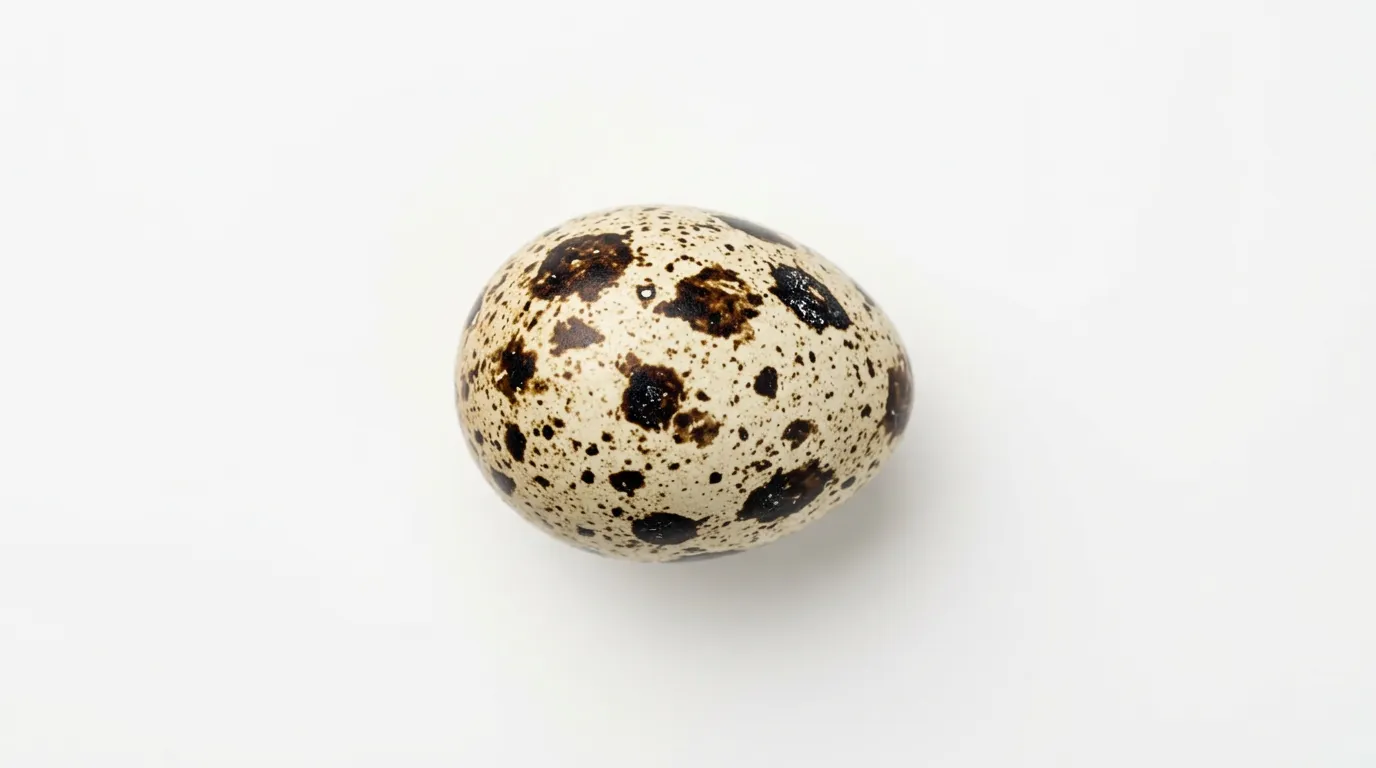
About Egg
Egg is a nutrient-dense food that can be a great early addition to a baby's diet when fully cooked and served in a safe texture. It is soft, versatile, and easy to adapt for different stages, from mashed egg for beginners to omelet strips and bite-sized pieces for older babies and toddlers. Egg provides high-quality protein for growth, choline for brain development, and important nutrients like vitamin D, vitamin A, iron, folate, and selenium. Because eggs contain both protein and fat, they can help make meals more filling and satisfying for growing children. Egg is a common allergen, but current pediatric guidance supports introducing it early rather than delaying it. Offer a small amount of fully cooked egg the first time and watch closely for any reaction. Babies with severe eczema or existing food allergies may still benefit from early introduction, but parents may want to discuss timing with their pediatric clinician. Most babies can start egg around 6 months old once they are ready for solids. Begin with mashed hard-boiled egg, soft scrambled egg, or a well-cooked omelet strip. As chewing skills improve, move to small pieces of cooked egg and a wider variety of preparations, always avoiding undercooked or runny egg for babies and serving while seated and supervised.
How to serve by age
Offer a small amount of fully cooked egg, including both white and yolk. Mashed hard-boiled egg can be mixed with breast milk, formula, or water for moisture, or you can serve soft scrambled egg or omelet strips for self-feeding.
Once your baby is developing a pincer grasp, offer small soft pieces of fully cooked scrambled egg or omelet. Keep pieces moist and easy to pick up.
Offer fully cooked egg in different forms such as scrambled egg, omelet, hard-boiled egg pieces, or egg muffins. Continue to avoid undercooked or runny preparations.
Toddlers can enjoy a wider range of fully cooked egg dishes, including frittata, egg salad, and chopped hard-boiled egg. Cut foods into manageable pieces and supervise closely.
Pairs well with
Safety & allergens
Egg is generally low choking risk when fully cooked and served in an age-appropriate texture. For younger babies, offer mashed hard-boiled egg, soft scrambled egg, or strips of well-cooked omelet. Avoid large rubbery chunks, dry overcooked pieces, and undercooked or runny egg.
What to watch for
Safety checklist
Storage & shelf life
Store cooked egg in the refrigerator in an airtight container and use within 3-4 days.
Freeze cooked scrambled egg or egg muffins in an airtight container for up to 3 months. Thaw in the refrigerator and reheat until hot, then cool before serving.
Nutrition
- Provides high-quality protein for growth
- Rich in choline for brain development
- Contains vitamin D for bone health
- Offers iron, folate, and vitamin A
- Common food allergen
- Contains no fiber
- Not a significant source of vitamin C
Key nutrients
Nutrition facts
| Calories | 278kcal |
|---|---|
| Protein | 10.6g |
| Carbs | 53.0g |
| Fat | 2.1g |
| Fiber | 2.3g |
| Iron | 4.0mg |
| Calcium | 13.0mg |
| Potassium | 68mg |
| Vitamin C | 1mg |
| Vitamin A | 33.0µg |
| Folate | 134µg |
| Zinc | 0.77mg |
per 100 g
In season
Common questions
When can babies eat Egg?
Is Egg a choking hazard?
Is Egg a common allergen?
More first foods


Track Egg and everything your baby eats
Log meals and reactions, get allergen alerts, and see your baby's food journey at a glance in the Alimoo app.


Backed by