
About Poppy Seed
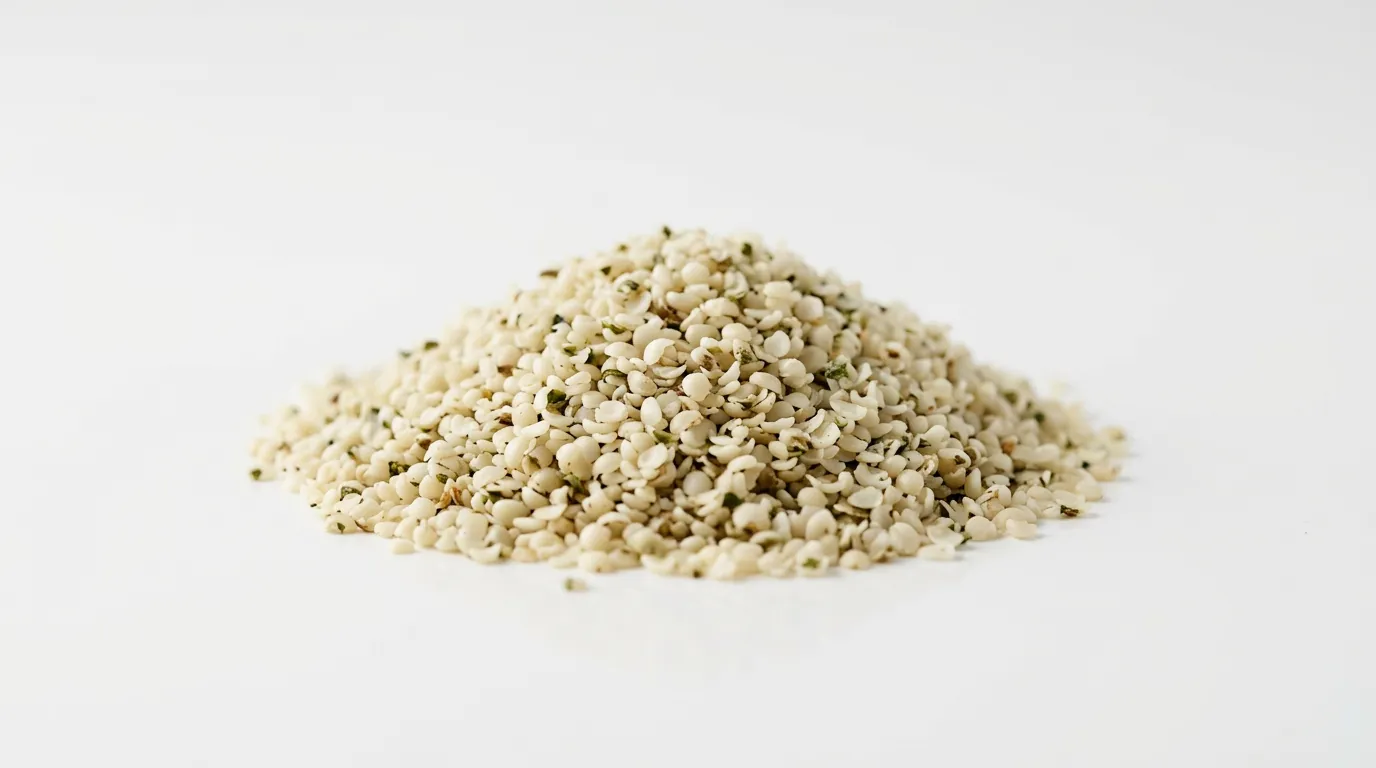
Poppy seeds are tiny oil-rich seeds often used as a topping or mixed into foods for texture and flavor. For babies and toddlers, they are not usually served on their own, but can be introduced in very small amounts sprinkled into soft foods like yogurt, porridge, mashed vegetables, or other scoopable meals. They provide healthy fats, fiber, and minerals including calcium and iron. Because only a small amount is typically eaten at a time, poppy seeds are best thought of as a nutrient boost rather than a major source of calories or protein in a child's diet. Poppy seed is not a common allergen, but allergic reactions are possible. Cross-reactivity has been reported in some people with sesame or kiwi allergy, so families with those allergies may want to introduce poppy seed with extra caution. Choose food-grade poppy seeds from a reputable source, since contamination with opiate residues can occur. Most babies can have poppy seeds from 6 months when sprinkled lightly onto age-appropriate foods. Start with a very small amount mixed into moist foods so the seeds are less likely to scatter or be inhaled. As your child gets older, poppy seeds can be incorporated into baked goods, porridges, and family meals, always served in forms that match chewing skills.
How to serve by age
Sprinkle a very small amount of poppy seeds into yogurt, oatmeal, mashed fruit, or vegetable mash so the seeds cling to the food. Avoid serving them loose or heavily coating foods.
Once your baby is managing more textures, you can sprinkle a light layer onto soft foods like avocado mash, porridge, or soft toast spread with a moist topping. Avoid dense seeded crusts that may break off in clumps.
Poppy seeds can be mixed into muffins, pancakes, porridges, noodles, or sauces in small amounts. Continue to serve age-appropriate portions and supervise closely during meals.
Pairs well with
Safety & allergens
Poppy seeds are tiny, but loose dry seeds can be inhaled or scatter in the mouth. Serve them mixed into moist foods or sprinkled thinly onto sticky or scoopable foods rather than offering spoonfuls of loose seeds. Avoid thick crusted coatings of seeds on bread or pastries for younger babies.
What to watch for
Safety checklist
Storage & shelf life
Store poppy seeds in an airtight container in a cool, dark, dry place. For best freshness after opening, refrigeration is helpful, especially for longer storage.
Freeze in an airtight container for up to 3 months to help preserve freshness and prevent the natural oils from going rancid.
Nutrition
- Provides healthy unsaturated fats
- Contains fiber to support digestion
- Rich in calcium
- Provides iron and other minerals
- Usually eaten in very small amounts, so nutrient intake may be limited
- Not a major source of vitamin C or vitamin A
- Loose dry seeds are not ideal for early self-feeding
Key nutrients
Nutrition facts
| Calories | 525kcal |
|---|---|
| Protein | 18.0g |
| Carbs | 28.1g |
| Fat | 41.6g |
| Fiber | 19.5g |
| Sugar | 3.0g |
| Iron | 9.8mg |
| Calcium | 1440.0mg |
| Potassium | 719mg |
| Vitamin C | 1mg |
| Folate | 82µg |
| Zinc | 7.90mg |
per 100 g
In season
Common questions
When can babies eat Poppy Seed?
Is Poppy Seed a choking hazard?
Is Poppy Seed a common allergen?
More first foods

Track Poppy Seed and everything your baby eats
Log meals and reactions, get allergen alerts, and see your baby's food journey at a glance in the Alimoo app.


Backed by