
About Mussels
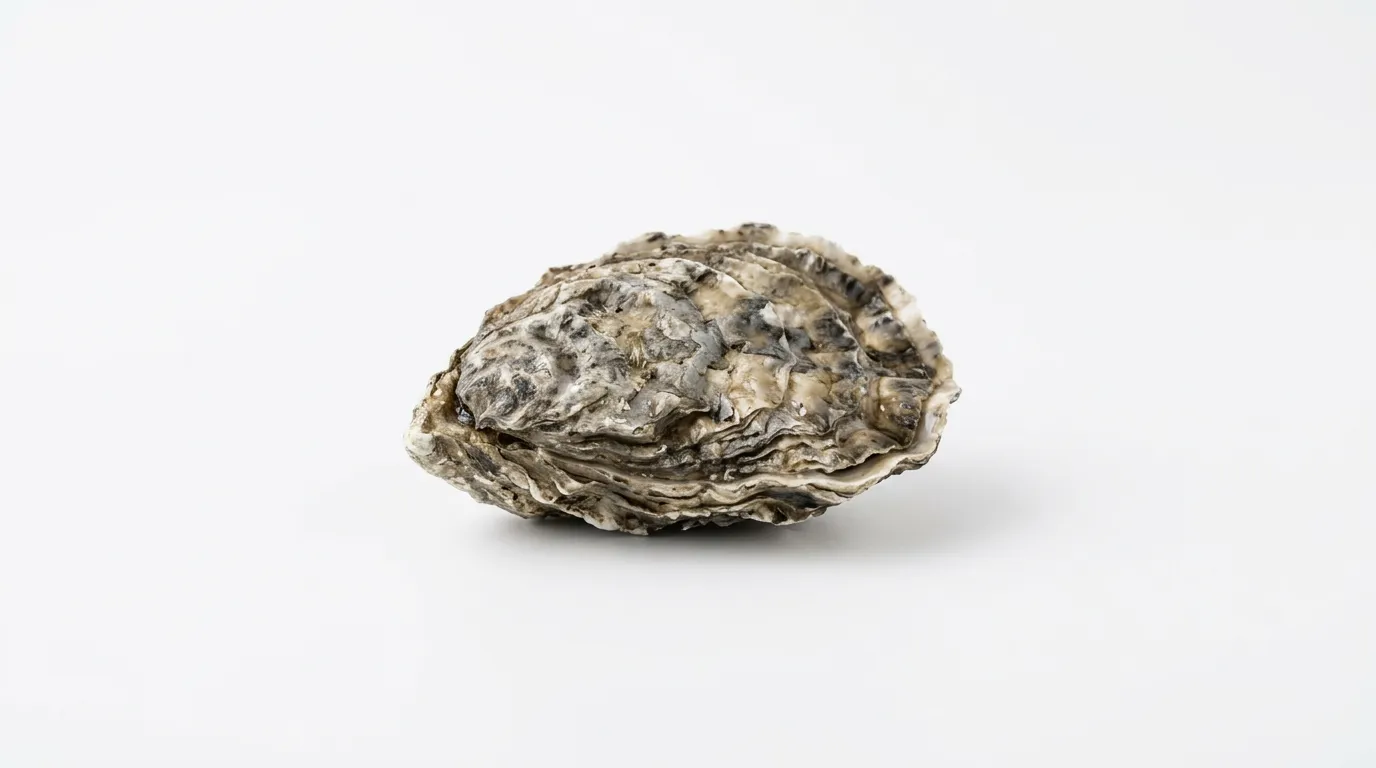
Mussels are a type of shellfish with a soft interior when fully cooked, and they can be a nutrient-dense food for babies and toddlers when served safely. They provide protein, iron, zinc, vitamin B12, and omega-3 fats, making them a useful food to include in a varied family diet. One of the biggest nutritional benefits of mussels is their iron content, which supports healthy blood and brain development. They also provide zinc for immune function and growth, plus protein and healthy fats to support overall development. Mussels can be especially helpful alongside foods rich in vitamin C, which can support iron absorption. Mussels are considered shellfish and are a common allergen category. Allergic reactions can happen on first exposure, so introduce a small amount at home when your child is well and you can watch closely. Mussels must also be cooked thoroughly and sourced from a reputable supplier, since raw or undercooked shellfish can carry harmful bacteria, viruses, or toxins. Most babies can start mussels from 6 months old if they are fully cooked and served in a very finely chopped or minced form mixed into soft foods. As chewing skills improve, you can progress to small chopped pieces and later bite-sized pieces. Whole mussels are not appropriate for young babies and should only be offered to older toddlers with strong chewing skills and close supervision.
How to serve by age
Offer fully cooked mussels minced very finely and stirred into mashed vegetables, porridge, rice, or another soft food. Avoid offering whole or large chopped pieces, which can be slippery and chewy.
Serve thoroughly cooked mussels finely chopped and mixed into soft pasta, risotto, stew, or mashed beans. Keep pieces very small and moist to make them easier to manage.
Offer small chopped pieces of fully cooked mussels in soft meals if your toddler is chewing well. Continue to avoid large chewy pieces and supervise closely.
If your toddler reliably chews well, you may offer bite-sized pieces or, in some cases, whole cooked mussels one at a time. Stay close, as the texture can still be slippery and difficult to chew.
Pairs well with
Safety & allergens
Cook mussels thoroughly and serve them finely minced or very finely chopped for babies. Their texture can be slippery, chewy, or rubbery, which raises choking risk if offered in large pieces. Avoid whole mussels for young children, and mix chopped mussels into soft foods like mashed vegetables, rice, or pasta.
What to watch for
Safety checklist
Storage & shelf life
Store raw mussels in the refrigerator and cook as soon as possible, ideally within 1 day of purchase. Once cooked, refrigerate in an airtight container and use within 1-2 days.
Freeze cooked mussels in an airtight container for up to 3 months. Thaw in the refrigerator and reheat thoroughly before serving.
Nutrition
- Rich in iron to support blood and brain development
- Provides high-quality protein for growth
- Contains zinc for immune function and healthy growth
- Offers omega-3 fats that support brain and eye development
- Provides vitamin B12, an important nutrient for the nervous system
- Shellfish is a common allergen
- Texture can be chewy and slippery, increasing choking risk if not prepared carefully
- Raw or undercooked mussels can carry harmful bacteria or toxins
- Can be high in sodium if canned or heavily seasoned
Key nutrients
Nutrition facts
| Calories | 86kcal |
|---|---|
| Protein | 11.9g |
| Carbs | 3.7g |
| Fat | 2.2g |
| Iron | 4.0mg |
| Calcium | 26.0mg |
| Potassium | 320mg |
| Vitamin C | 8mg |
| Vitamin A | 48.0µg |
| Folate | 42µg |
| Zinc | 1.60mg |
per 100 g
In season
Common questions
When can babies eat Mussels?
Is Mussels a choking hazard?
Is Mussels a common allergen?
More first foods

Track Mussels and everything your baby eats
Log meals and reactions, get allergen alerts, and see your baby's food journey at a glance in the Alimoo app.


Backed by