
À propos de Palourdes
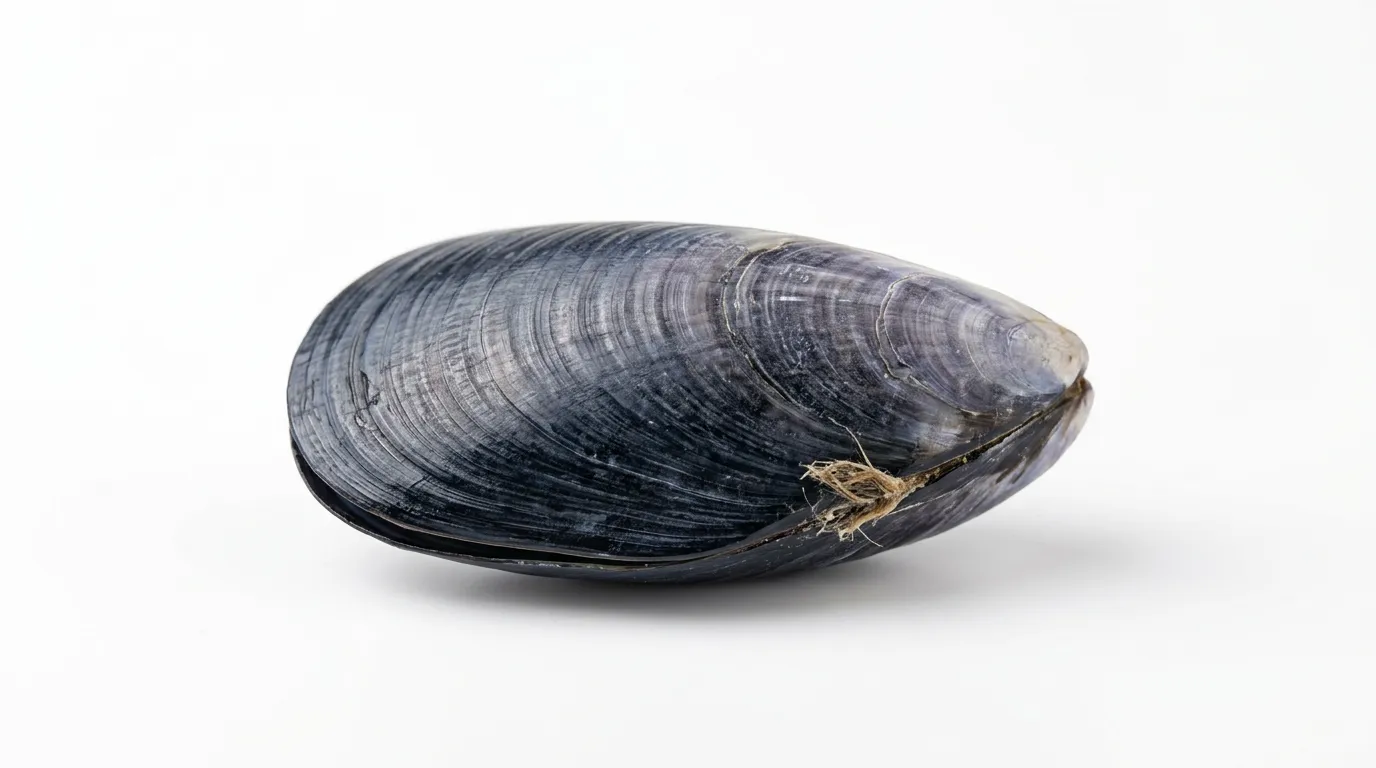
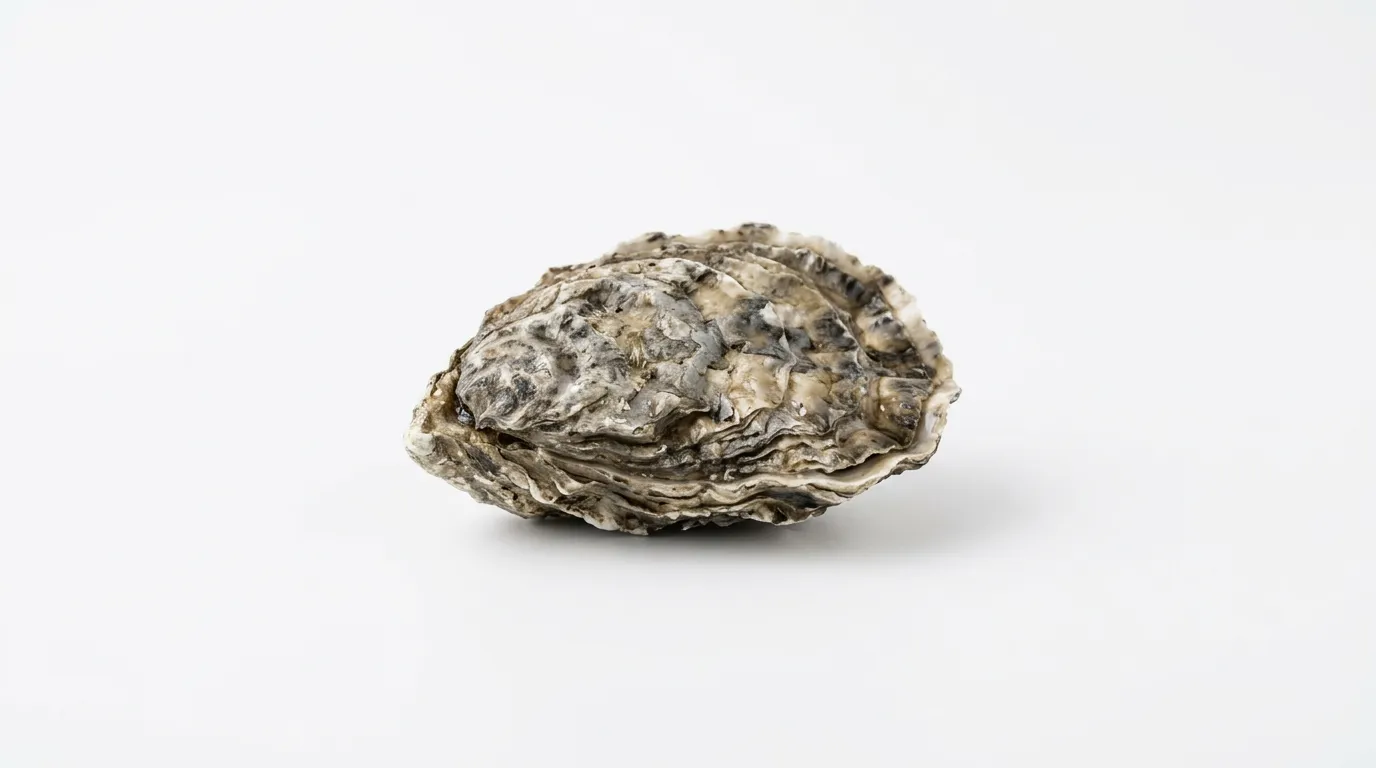
Les palourdes sont un type de fruits de mer à chair tendre, mais parfois un peu caoutchouteuse une fois cuites. Elles peuvent être un aliment nutritif pour les bébés et les jeunes enfants lorsqu’elles sont préparées avec soin, car elles apportent des protéines et des minéraux importants en petite portion. Comme les palourdes peuvent devenir caoutchouteuses et glissantes, il faut les servir de manière adaptée pour réduire le risque d’étouffement. Les palourdes sont particulièrement intéressantes pour leur teneur en fer, en zinc, en vitamine B12 et en protéines. Le fer soutient le développement du cerveau et la formation de globules rouges sains, tandis que le zinc contribue au bon fonctionnement du système immunitaire et à la croissance. Les palourdes apportent aussi de la vitamine C et du potassium, qui peuvent soutenir la santé globale, mais elles ne constituent généralement pas une source majeure de calories pour les tout-petits. Les palourdes sont un allergène de type fruits de mer, plus précisément un mollusque. L’allergie aux fruits de mer peut provoquer des réactions graves, et certains enfants qui réagissent à un fruit de mer peuvent aussi réagir à d’autres. Les palourdes doivent toujours être entièrement cuites avant d’être servies, et les fruits de mer crus ou insuffisamment cuits ne doivent jamais être donnés aux bébés ou aux jeunes enfants en raison du risque d’infection alimentaire. La plupart des bébés peuvent commencer à manger des palourdes dès 6 mois s’ils sont prêts sur le plan du développement à débuter les aliments solides. Commencez par des palourdes très finement hachées, bien cuites, mélangées à un aliment mou comme des légumes écrasés, du riz ou une sauce pour pâtes. À mesure que les capacités de mastication s’améliorent, vous pouvez passer à de très petits morceaux hachés puis à de petits morceaux tendres de la taille d’une bouchée, mais il vaut mieux éviter les palourdes entières chez les jeunes enfants en raison de leur forme et de leur texture caoutchouteuse.
Comment servir selon l'âge
Proposez une petite quantité de palourde bien cuite, hachée très finement et mélangée à des légumes écrasés, de la pomme de terre ou un autre aliment mou. Cela aide à réduire le risque d’étouffement lié à la texture caoutchouteuse de la palourde.
Servez des palourdes bien cuites, coupées en très petits morceaux et incorporées à des aliments mous comme du riz, des pâtes ou une sauce tomate. Évitez les morceaux plus gros qui peuvent être glissants ou caoutchouteux.
Proposez de petits morceaux tendres bien cuits lorsque votre enfant mastique de façon plus efficace et régulière. Continuez à éviter les palourdes entières et surveillez attentivement, car leur texture peut encore être difficile à gérer.
Servez les palourdes en tout petits morceaux dans des soupes, des plats de pâtes, des plats de riz ou des beignets. Encouragez une mastication lente et proposez quelques gorgées d’eau pendant les repas, avec l’enfant assis et sous surveillance.
Se marie bien avec
Sécurité et allergènes
Les palourdes peuvent être glissantes, caoutchouteuses et faciles à avaler en gros morceaux. Servez toujours des palourdes bien cuites, très finement hachées ou émincées pour les bébés, et coupées en très petits morceaux tendres pour les tout-petits plus âgés. Évitez les palourdes entières et les gros morceaux caoutchouteux, et surveillez étroitement pendant les repas.
À surveiller
Liste de sécurité
Conservation et durée
Réfrigérez les palourdes cuites dans un récipient hermétique et utilisez-les dans les 3 à 4 jours. Les palourdes fraîches vivantes doivent être cuites rapidement et ne doivent pas être conservées dans un récipient hermétique avant cuisson.
Congelez les palourdes cuites dans un récipient hermétique jusqu’à 3 mois. Décongelez-les au réfrigérateur et réchauffez-les soigneusement avant de servir.
Nutrition
- Très riche en fer pour soutenir le développement du cerveau et la santé du sang
- Apporte du zinc pour la fonction immunitaire et la croissance
- Contient des protéines nécessaires à la croissance et à la réparation des tissus
- Fournit de la vitamine B12 et de la vitamine C
- Les fruits de mer sont un allergène courant
- Peut être riche en sodium selon la préparation ou les produits en conserve
- La texture caoutchouteuse peut être difficile à gérer en toute sécurité pour les bébés
- N’est pas une source importante de fibres
Nutriments clés
Valeurs nutritionnelles
| Calories | 48kcal |
|---|---|
| Protéines | 0.6g |
| Glucides | 11.0g |
| Lipides | 0.2g |
| Fibres | 0.4g |
| Sucres | 3.3g |
| Fer | 0.1mg |
| Calcium | 8.0mg |
| Potassium | 89mg |
| Vitamine C | 5mg |
| Vitamine A | 7.0µg |
| Folate | 8µg |
| Zinc | 0.08mg |
per 100 g
De saison
Questions fréquentes
Quand les bébés peuvent-ils manger Palourdes ?
Palourdes présente-t-il un risque d'étouffement ?
Palourdes est-il un allergène courant ?
Plus de premiers aliments

Suivez Palourdes — et tout ce que mange votre bébé
Enregistrez les repas et les réactions, recevez des alertes allergènes et suivez le parcours alimentaire de votre bébé d'un coup d'œil dans l'application Alimoo.


Sources