
About Molasses
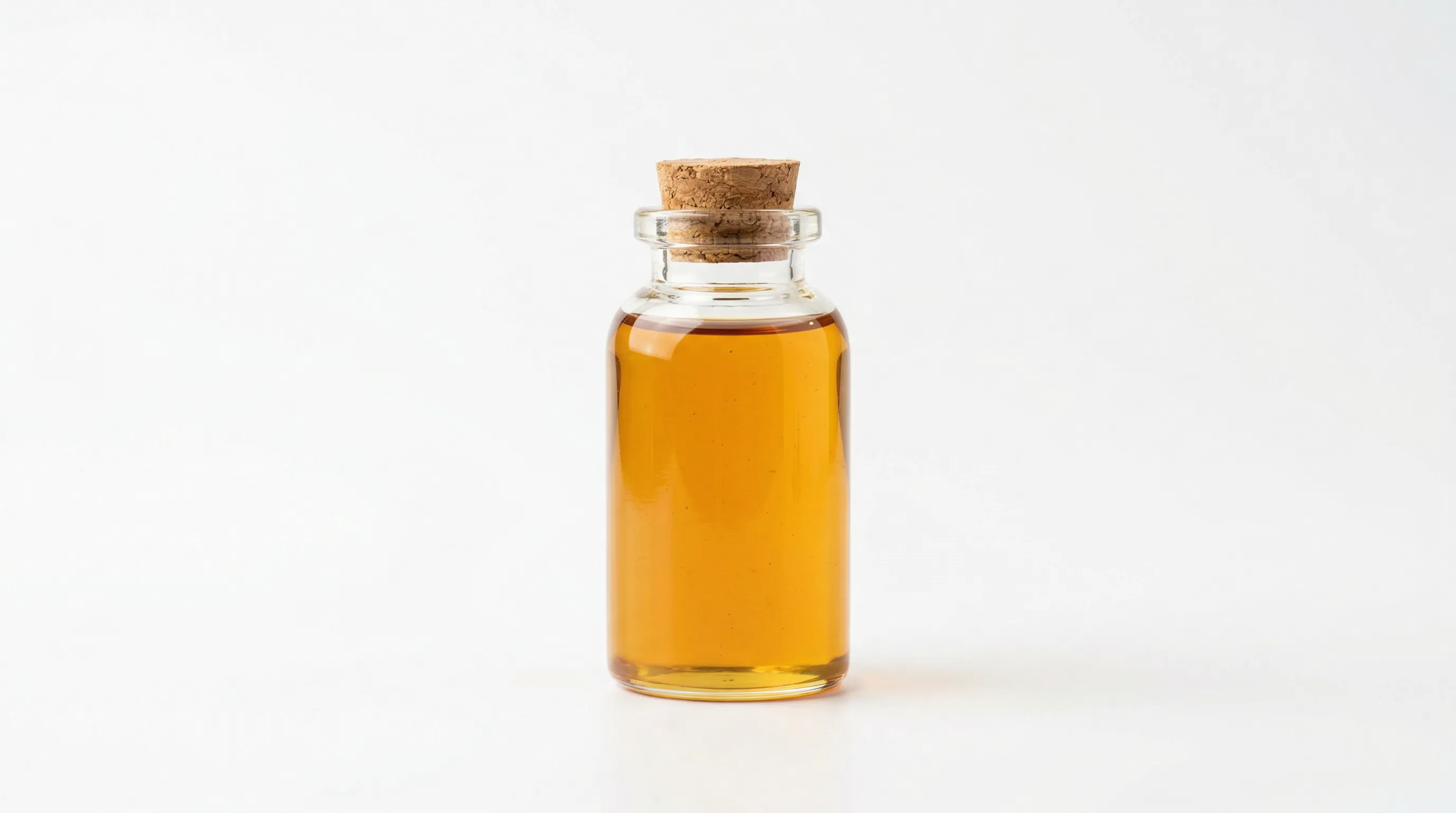
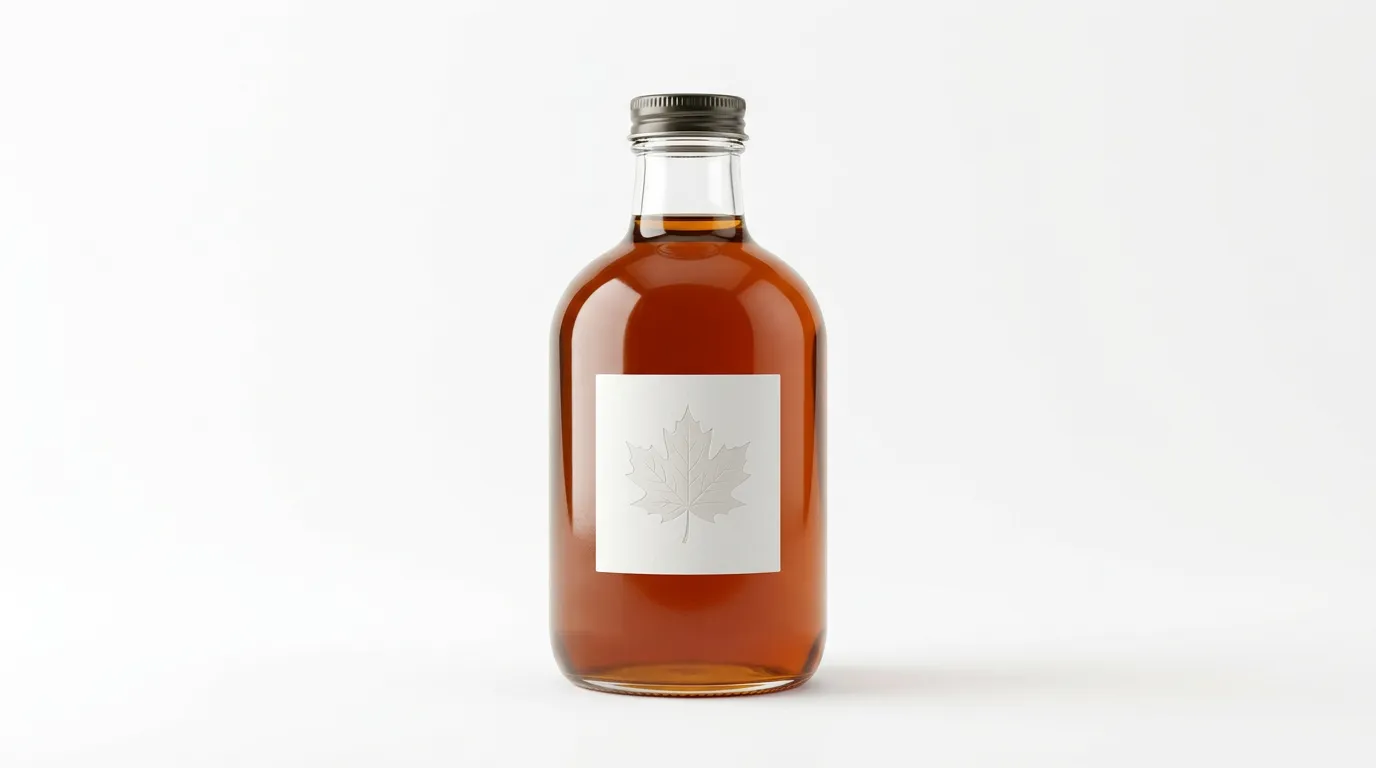
Molasses is a thick, dark syrup made during sugar production. Blackstrap molasses in particular contains more minerals than many other sweeteners, but it is still a concentrated sugar and is not a necessary food for babies. For young children, it is best used only in small amounts mixed into other foods rather than offered on its own. Molasses can provide iron, calcium, and potassium, with blackstrap varieties generally offering the most. These nutrients can support blood health, bone development, and normal muscle and nerve function. Even so, molasses should not be relied on as a main source of nutrition because babies and toddlers need more balanced foods that also provide protein, fat, and a wider range of vitamins. Molasses is not a common allergen, but some products may contain sulfites, which can trigger reactions in sensitive children, especially those with asthma. Its thick, sticky texture can also increase choking risk if served by spoonful or in large sticky amounts. Choose unsulfured molasses when possible and always mix it thoroughly into foods. Wait until 12 months or later to offer molasses. For toddlers, stir a small amount into oatmeal, yogurt, baked goods, sauces, or marinades rather than serving it plain. Keep portions modest, and continue to prioritize iron-rich whole foods such as meat, beans, lentils, tofu, eggs, and fortified cereals.
How to serve by age
Offer only a small amount stirred thoroughly into oatmeal, yogurt, sauces, or baked foods. Do not serve molasses plain or by spoon because its thick, sticky texture can be hard to manage safely.
You can use molasses in muffins, pancakes, beans, marinades, or other family foods. Keep portions modest and avoid making it a regular sweetener in large amounts.
Pairs well with
Safety & allergens
Molasses is very thick and sticky, so do not offer it by spoonful or let a child lick it directly from a utensil. Mix a small amount thoroughly into soft foods, batters, or sauces so it is spread evenly and less likely to form a sticky mouthful.
What to watch for
Safety checklist
Storage & shelf life
Store unopened or opened molasses in a cool, dark place with the lid tightly closed. After opening, keep the container airtight and use within about 12 months for best quality.
Freezing is not recommended, as texture and consistency may change. If needed, refrigerate briefly to extend quality, but warm to room temperature and stir before use.
Nutrition
- Provides some iron, especially blackstrap molasses
- Contains calcium and potassium
- Can add flavor to foods in a small amount
- Very high in sugar
- Sticky texture can increase choking risk if served plain
- Not a balanced source of nutrition
- May contain sulfites in some products
Key nutrients
Nutrition facts
| Calories | 290kcal |
|---|---|
| Carbs | 74.7g |
| Fat | 0.1g |
| Sugar | 74.7g |
| Iron | 4.7mg |
| Calcium | 205.0mg |
| Potassium | 1460mg |
| Zinc | 0.29mg |
per 100 g
In season
Common questions
When can babies eat Molasses?
Is Molasses a choking hazard?
Is Molasses a common allergen?
More first foods

Track Molasses and everything your baby eats
Log meals and reactions, get allergen alerts, and see your baby's food journey at a glance in the Alimoo app.


Backed by