
About Maple Syrup
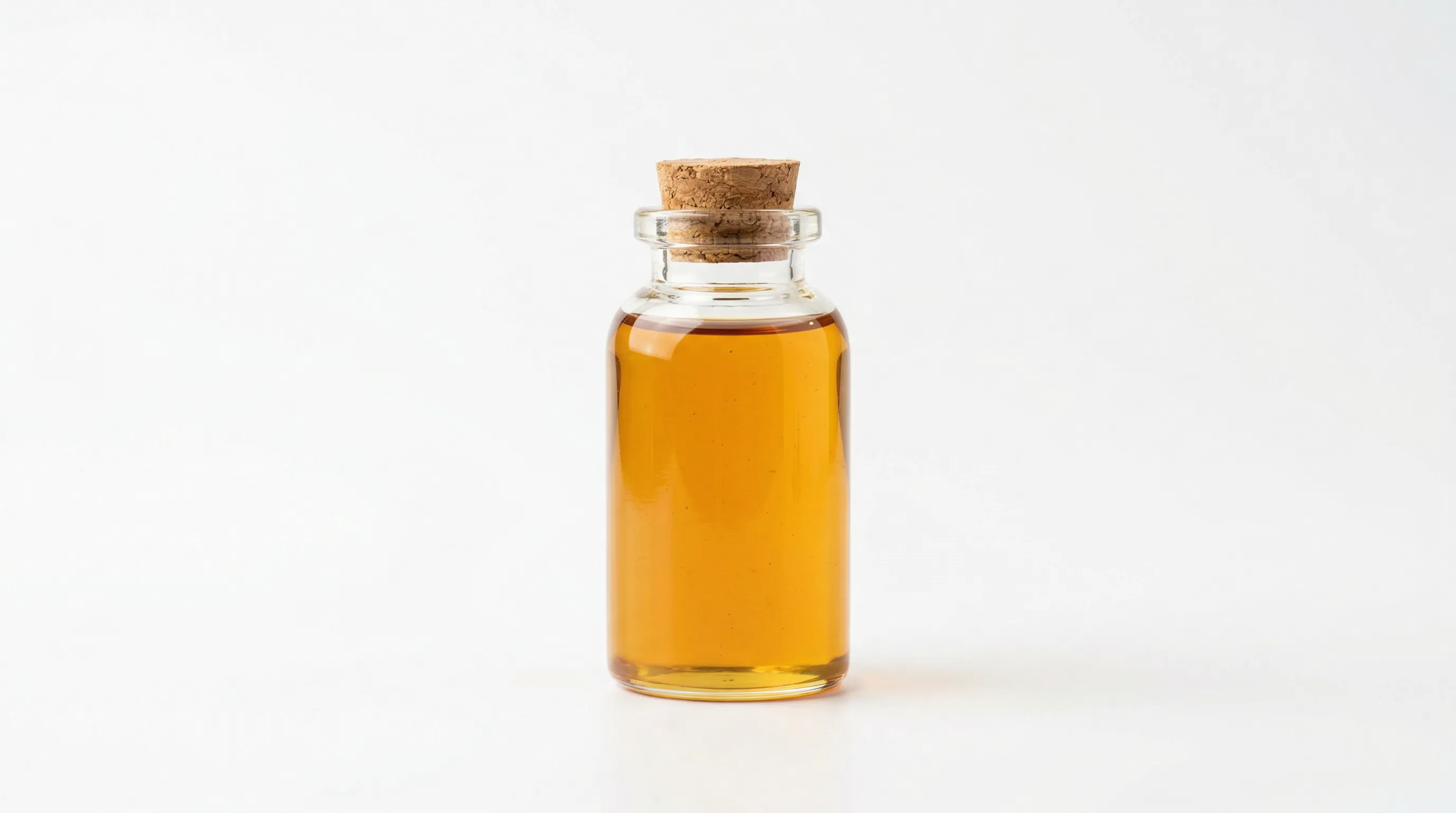
Maple syrup is a natural sweetener made by concentrating the sap of maple trees. While it can be part of family foods, it is not a necessary food for babies and is best used only occasionally because it is very high in sugar and does not provide the balanced nutrition babies need from first foods. It contains carbohydrates for energy and small amounts of minerals like manganese, calcium, and potassium, but these nutrients are not present in amounts that make maple syrup a meaningful source of nutrition for infants. For babies and toddlers, foods rich in iron, protein, healthy fats, and fiber are much more important than sweeteners. Maple syrup is not a common allergen, and true allergy is rare. The main concern is not allergy or choking, but frequent exposure to sweet foods, which may increase preference for sweetness and contribute to tooth decay over time. Be especially careful with packaged syrups labeled as "pancake syrup" or "breakfast syrup," which may contain added flavors, corn syrup, or other ingredients. Most babies can have small amounts of pure maple syrup from 6 months when mixed into age-appropriate foods, but it is best introduced as an occasional ingredient rather than a regular food. For younger babies, use only a tiny amount in soft foods like oatmeal or yogurt. Older babies and toddlers can have small drizzles in family meals, while continuing to keep sweets limited.
How to serve by age
If you choose to offer maple syrup, mix only a very small amount into age-appropriate foods like oatmeal or plain yogurt. Do not make sweet foods a daily habit, and prioritize iron-rich first foods instead.
Toddlers can have a small drizzle of pure maple syrup on foods like pancakes, oatmeal, or yogurt as part of family meals. Keep portions small and avoid using sweets as rewards.
Pairs well with
Safety & allergens
Maple syrup itself is not a choking hazard, but the foods it is served with may be. Mix or drizzle only onto foods prepared in an age-appropriate texture, and avoid pairing it with choking hazards like thick globs of nut butter, hard waffles, or large sticky bites.
What to watch for
Safety checklist
Storage & shelf life
Store unopened maple syrup in a cool, dark place. After opening, refrigerate and use within about 6-12 months for best quality.
Freezing is usually unnecessary, but pure maple syrup can be frozen in an airtight container if needed. Leave headspace for expansion and thaw in the refrigerator.
Nutrition
- Provides quick energy from carbohydrates
- Contains small amounts of minerals like calcium and potassium
- Can add flavor to unsweetened foods in very small amounts
- Very high in sugar
- Low in protein, fat, and fiber
- Not a meaningful source of iron for babies
- Frequent use may increase preference for sweet foods
Key nutrients
Nutrition facts
| Calories | 260kcal |
|---|---|
| Protein | 0.0g |
| Carbs | 67.0g |
| Fat | 0.1g |
| Sugar | 60.5g |
| Iron | 0.1mg |
| Calcium | 102.0mg |
| Potassium | 212mg |
| Zinc | 1.47mg |
per 100 g
In season
Common questions
When can babies eat Maple Syrup?
Is Maple Syrup a choking hazard?
Is Maple Syrup a common allergen?
More first foods

Track Maple Syrup and everything your baby eats
Log meals and reactions, get allergen alerts, and see your baby's food journey at a glance in the Alimoo app.


Backed by