
À propos de Courge delicata
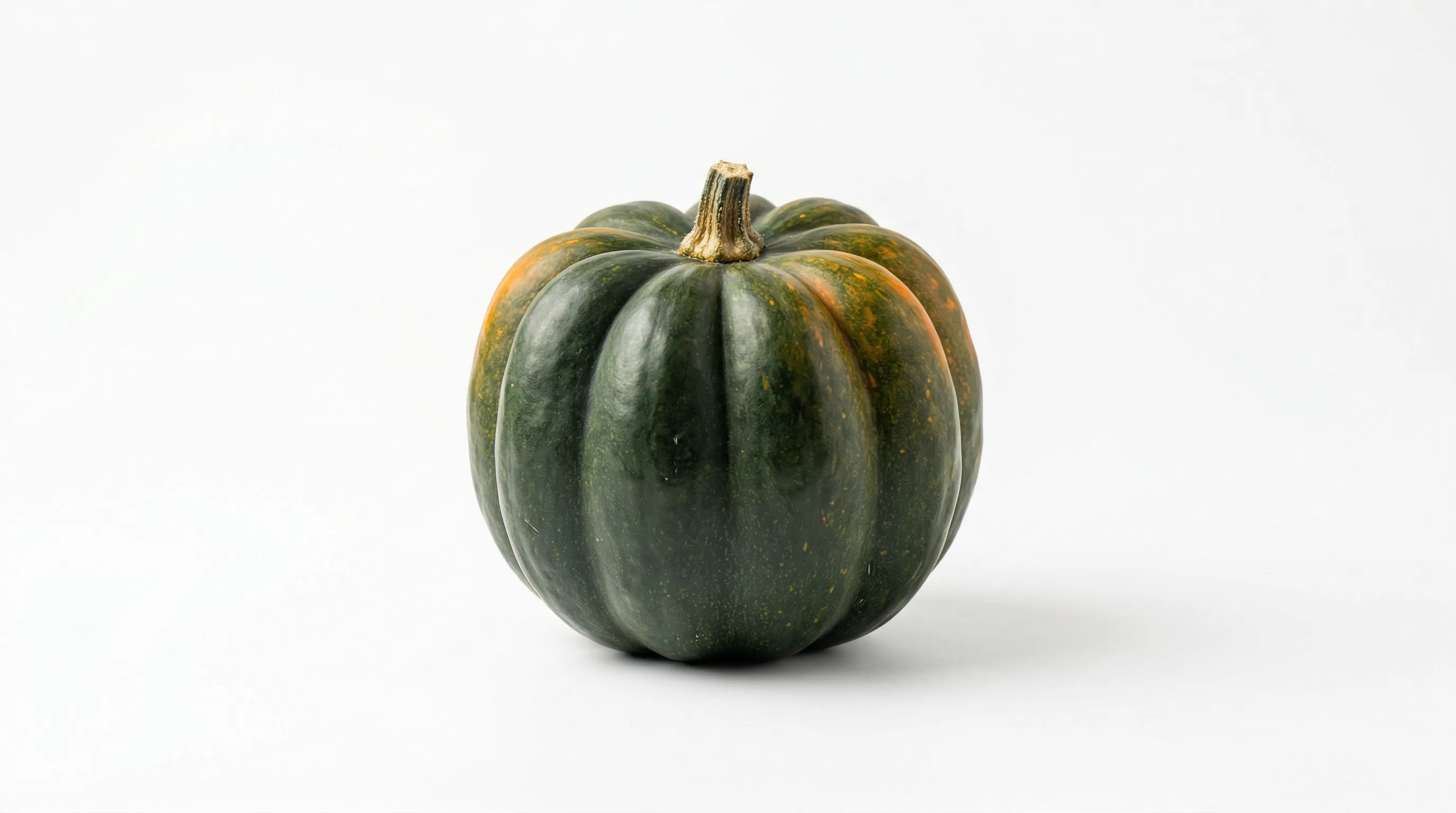
La courge delicata est une petite courge d’hiver à la chair douce et sucrée, qui devient très fondante à la cuisson. Sa saveur délicate et sa texture facile à écraser en font un légume adapté aux bébés dès les premiers repas. Elle peut être servie en purée, en lamelles tendres ou en petits morceaux selon l’âge et les capacités alimentaires de votre enfant. Elle apporte des glucides pour l’énergie ainsi que des fibres pour favoriser la digestion. La courge delicata est particulièrement intéressante pour sa teneur en bêta-carotène, que l’organisme transforme en vitamine A, importante pour la santé des yeux, le fonctionnement du système immunitaire et la croissance. Elle contient aussi de la vitamine C et du potassium, ce qui en fait un bon ajout à une alimentation variée. La courge delicata n’est pas un allergène courant, mais de rares réactions peuvent survenir. Certains enfants allergiques aux pollens, en particulier à l’ambroisie, peuvent être plus susceptibles de ressentir des démangeaisons orales ou de légers symptômes dans la bouche après avoir mangé de la courge. Introduisez toujours les nouveaux aliments un par un et surveillez tout signe de réaction. La plupart des bébés peuvent commencer la courge delicata dès 6 mois, à condition qu’elle soit bien cuite jusqu’à devenir très tendre. Pour les plus jeunes, proposez de la courge écrasée ou de très tendres demi-rondelles cuites, sans graines. À mesure que votre bébé développe la mastication et la préhension, vous pouvez passer à de petits morceaux fondants et à des repas mélangés avec des haricots, des céréales ou du yaourt.
Comment servir selon l'âge
Faites rôtir ou cuire à la vapeur jusqu’à ce que la courge soit très tendre. Proposez la courge delicata écrasée à la cuillère, ou servez des rondelles ou demi-rondelles cuites bien tendres, faciles à tenir pour bébé. Retirez toutes les graines et pelez si la peau semble difficile à mâcher.
Servez la courge delicata bien cuite sous forme de lamelles tendres ou de petits morceaux lorsque votre bébé commence à utiliser la pince pouce-index. Vérifiez que les morceaux sont bien fondants et faciles à écraser entre vos doigts.
Proposez de petits morceaux de courge cuite bien tendre ou incorporez de la purée de delicata à des céréales, des haricots, des pâtes ou des repas à base de yaourt. Encouragez l’alimentation autonome avec les mains et les couverts, tout en surveillant attentivement.
Se marie bien avec
Sécurité et allergènes
La courge delicata est la plus sûre lorsqu’elle est cuite jusqu’à être très fondante et que toutes les graines ont été entièrement retirées. Pour les jeunes bébés, proposez de la courge écrasée ou des morceaux cuits tendres assez grands pour être saisis. La peau est comestible une fois cuite, mais elle peut être plus difficile à mâcher ; pelez-la ou retirez les parties plus dures si nécessaire. Évitez la courge crue ou insuffisamment cuite.
À surveiller
Liste de sécurité
Conservation et durée
Conservez la courge delicata entière dans un endroit frais et sec. Une fois cuite, placez-la au réfrigérateur dans un récipient hermétique et utilisez-la dans les 3 à 5 jours.
Congelez la courge delicata cuite, en purée ou en morceaux, dans un récipient hermétique pendant jusqu’à 3 mois. Décongelez au réfrigérateur avant de servir.
Nutrition
- Apporte de la vitamine A pour soutenir la vision et le système immunitaire
- Contient des fibres qui favorisent une digestion saine
- Apporte de la vitamine C, qui aide à l’absorption du fer
- Fournit du potassium pour le bon fonctionnement des muscles et des nerfs
- Sa texture tendre est facile à préparer pour les bébés
- N’est pas une source importante de protéines
- Contient très peu de matières grasses
- Moins riche en fer et en zinc que de nombreux aliments riches en protéines
Nutriments clés
Valeurs nutritionnelles
| Calories | 24kcal |
|---|---|
| Protéines | 0.8g |
| Glucides | 5.7g |
| Lipides | 0.2g |
| Fibres | 0.9g |
| Sucres | 3.2g |
| Fer | 0.3mg |
| Calcium | 24.0mg |
| Potassium | 185mg |
| Vitamine C | 0mg |
| Vitamine A | 85.0µg |
| Folate | 8µg |
| Zinc | 0.19mg |
per 100 g
De saison
Questions fréquentes
Quand les bébés peuvent-ils manger Courge delicata ?
Courge delicata présente-t-il un risque d'étouffement ?
Courge delicata est-il un allergène courant ?
Plus de premiers aliments

Suivez Courge delicata — et tout ce que mange votre bébé
Enregistrez les repas et les réactions, recevez des alertes allergènes et suivez le parcours alimentaire de votre bébé d'un coup d'œil dans l'application Alimoo.


Sources