
À propos de Charcuterie tranchée
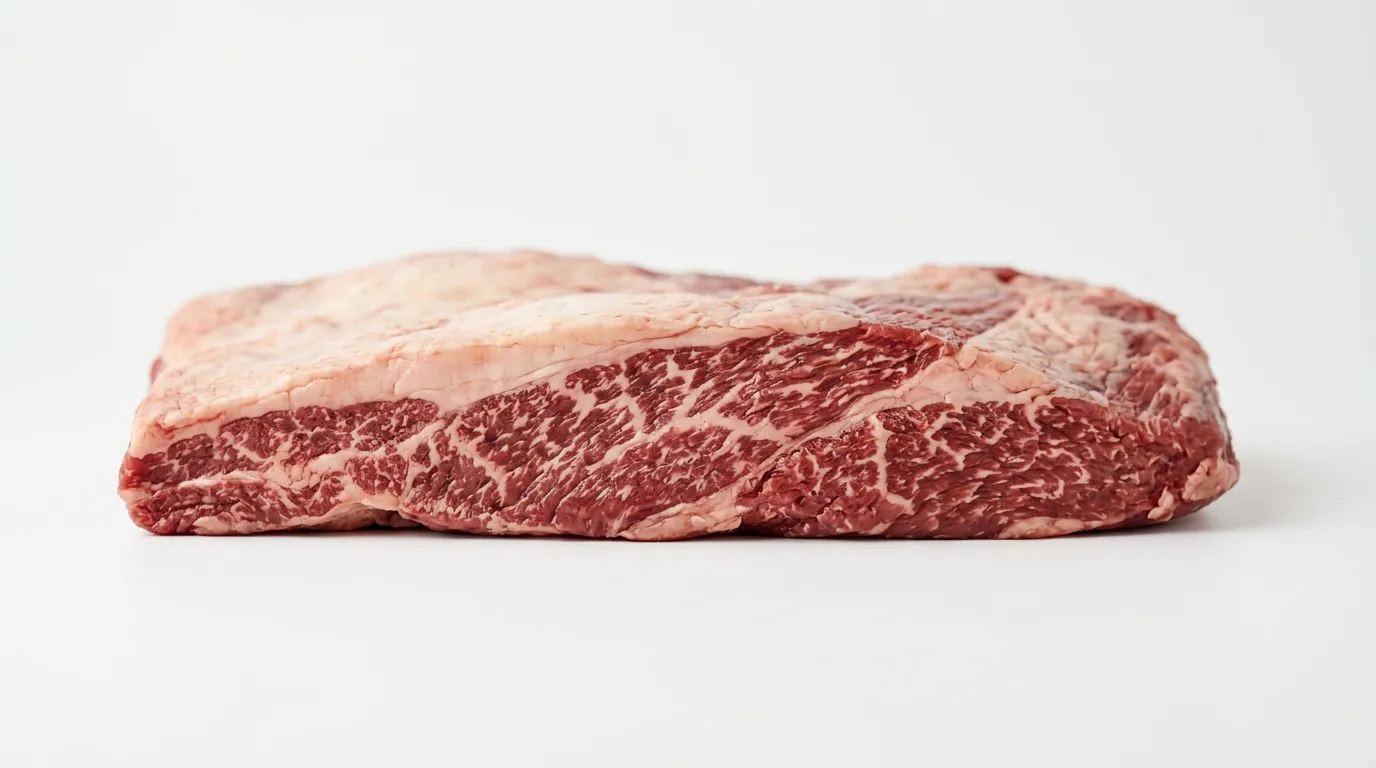
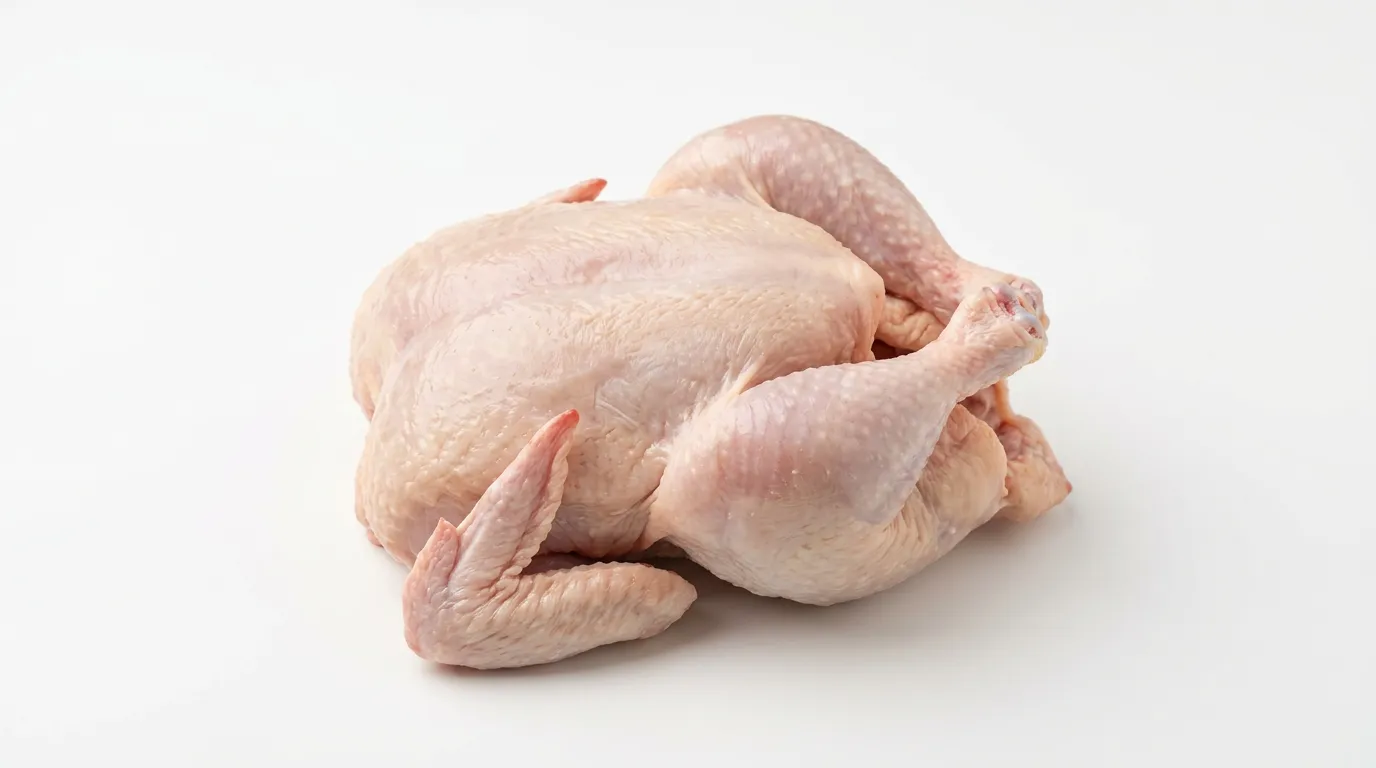
La charcuterie tranchée désigne des viandes transformées coupées en fines tranches, comme la dinde, le poulet, le jambon, le rosbif ou des viandes similaires vendues prêtes à consommer. Bien qu’elle puisse apporter des protéines et un peu de fer, ce n’est généralement pas un aliment idéal au début de la diversification, car elle est souvent riche en sodium et peut être difficile à mâcher en toute sécurité. Sur le plan nutritionnel, la charcuterie tranchée peut fournir des protéines utiles à la croissance et du fer important pour la formation des globules rouges. Certaines variétés apportent aussi du zinc et de la vitamine B12, qui soutiennent le système immunitaire et le développement cérébral. Cependant, ces avantages doivent être mis en balance avec des inconvénients importants : de nombreuses charcuteries sont transformées, salées et de qualité nutritionnelle globale inférieure à celle des viandes fraîchement cuites. La charcuterie tranchée n’est pas un allergène courant, mais des réactions peuvent rarement survenir. Certains enfants peuvent aussi réagir aux assaisonnements, aux conservateurs ou à d’autres ingrédients ajoutés lors de la transformation. Pour la plupart des bébés, le principal enjeu est davantage la sécurité que l’allergie : la charcuterie tranchée peut être ferme, coriace, glissante et riche en sodium, et les viandes froides prêtes à consommer présentent aussi un risque de maladie d’origine alimentaire si elles ne sont pas réchauffées à cœur. La plupart des familles devraient attendre environ 12 mois avant de proposer régulièrement de la charcuterie tranchée. Si elle est donnée plus tôt, elle doit être réchauffée jusqu’à être bien fumante, servie en très petits morceaux finement hachés mélangés à un aliment mou, et ne jamais contenir de miel avant l’âge de 12 mois. Pour les bébés plus âgés et les tout-petits, proposez de fines lamelles ou de petits morceaux hachés plutôt que des tranches épaisses, des tranches roulées ou des cubes.
Comment servir selon l'âge
La charcuterie tranchée n’est pas un aliment idéal à cet âge en raison de sa teneur en sodium, de sa texture et des préoccupations de sécurité alimentaire. Si vous choisissez d’en proposer une petite quantité, réchauffez-la jusqu’à ce qu’elle soit bien fumante, hachez-la finement et mélangez-la à un aliment mou comme des légumes écrasés ou des œufs. Ne servez pas de tranches épaisses, de lanières ni de produit contenant du miel.
Proposez la charcuterie tranchée seulement occasionnellement, réchauffée jusqu’à être bien fumante et coupée en très petits morceaux hachés ou en fines lamelles. Évitez les cubes, les tranches roulées et les morceaux épais repliés, qui sont plus difficiles à mâcher en toute sécurité.
Les tout-petits peuvent avoir de fines lanières ou de petits morceaux adaptés à la taille d’une bouchée s’ils mâchent bien. Continuez à éviter les tranches épaisses et surveillez-les de près, surtout avec des viandes coriaces comme le jambon ou le rosbif.
Se marie bien avec
Sécurité et allergènes
La charcuterie tranchée peut être ferme, coriace, glissante et facile à avaler en gros morceau. Pour les bébés et les jeunes tout-petits, évitez les tranches épaisses, les tranches roulées et les cubes. Réchauffez jusqu’à ce que ce soit bien fumant, puis hachez finement ou effilochez et mélangez à un aliment mou, ou proposez de très fines lanières uniquement lorsque votre enfant est prêt à gérer des textures plus fermes.
À surveiller
Liste de sécurité
Conservation et durée
Réfrigérez la charcuterie tranchée entamée dans un récipient hermétique et utilisez-la dans les 3 à 5 jours. Conservez-la bien au froid et réchauffez les portions jusqu’à ce qu’elles soient bien fumantes avant de les servir aux bébés et aux jeunes tout-petits.
Congelez la charcuterie tranchée dans un récipient bien fermé ou un sac de congélation jusqu’à 2 mois. Décongelez-la au réfrigérateur et réchauffez-la jusqu’à ce qu’elle soit bien fumante avant de la servir.
Nutrition
- Apporte des protéines utiles à la croissance
- Contient du fer pour soutenir les globules rouges
- Peut apporter du zinc pour le bon fonctionnement du système immunitaire
- Souvent facile à ajouter à des repas rapides
- Généralement riche en sodium
- Souvent plus transformée que la viande fraîchement cuite
- Peut être coriace et plus difficile à gérer en toute sécurité pour les bébés
- Moins riche en nutriments que de nombreuses sources de protéines peu transformées
Nutriments clés
Valeurs nutritionnelles
| Calories | 109kcal |
|---|---|
| Protéines | 21.8g |
| Glucides | 3.5g |
| Lipides | 0.8g |
| Fibres | 0.5g |
| Sucres | 3.5g |
| Fer | 0.6mg |
| Calcium | 8.0mg |
| Potassium | 211mg |
| Vitamine C | 6mg |
| Vitamine A | 10.0µg |
| Folate | 4µg |
| Zinc | 1.33mg |
per 100 g
De saison
Questions fréquentes
Quand les bébés peuvent-ils manger Charcuterie tranchée ?
Charcuterie tranchée présente-t-il un risque d'étouffement ?
Charcuterie tranchée est-il un allergène courant ?
Plus de premiers aliments

Suivez Charcuterie tranchée — et tout ce que mange votre bébé
Enregistrez les repas et les réactions, recevez des alertes allergènes et suivez le parcours alimentaire de votre bébé d'un coup d'œil dans l'application Alimoo.


Sources