
About Cumin
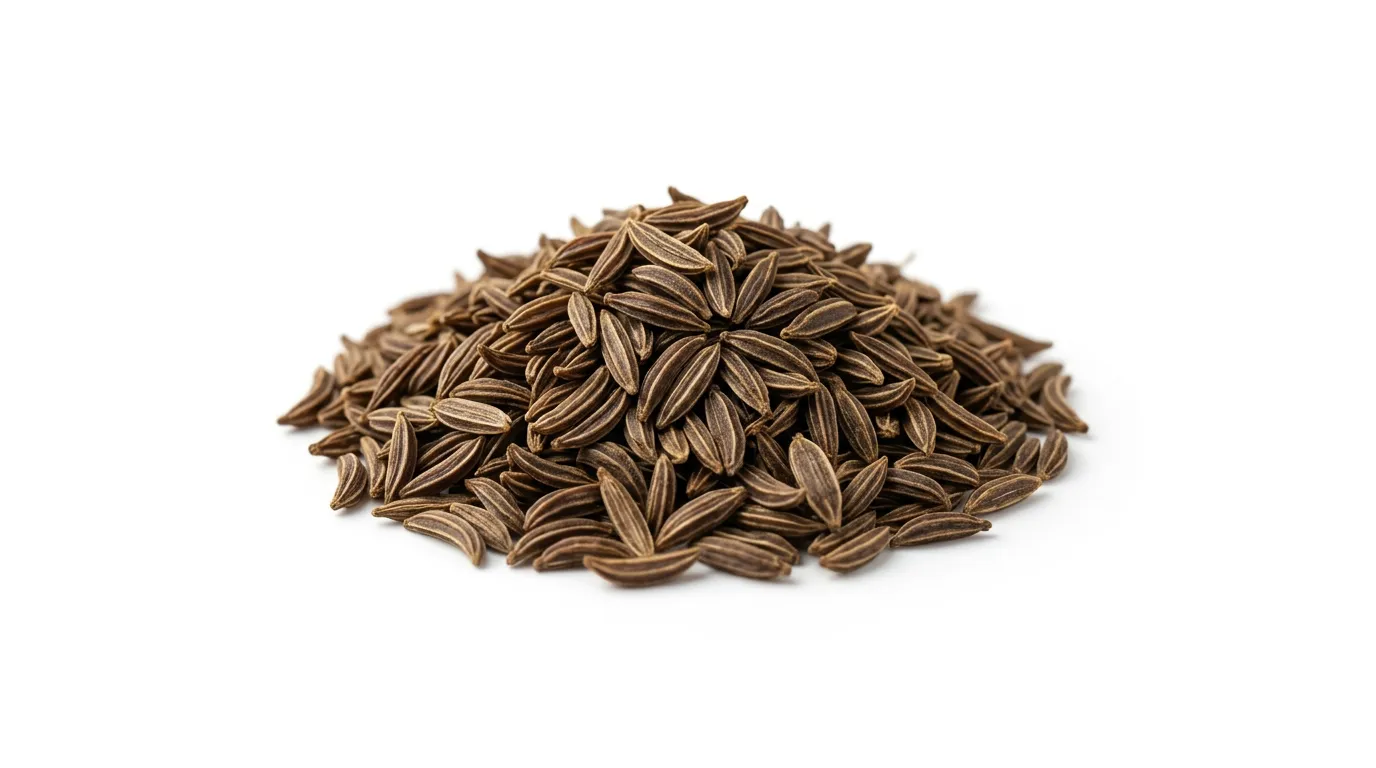
Cumin is a warm, earthy spice made from the dried seeds of the cumin plant. It is used in many cuisines around the world, including Indian, Middle Eastern, North African, and Latin American cooking. For babies and toddlers, cumin can be a simple way to add flavor variety early on without relying on salt or sugar. Although cumin is usually eaten in small amounts, it still contributes helpful nutrients such as iron, fiber, and calcium. In practice, the tiny portions used for seasoning will not provide large amounts of these nutrients, but cumin can help babies get used to family foods and a wider range of tastes and aromas. Cumin is not a common allergen, but spice allergies can happen. Some children may react to cumin if they are sensitive to related plants in the Apiaceae family, such as celery, coriander, fennel, dill, or anise. Spice blends may also contain hidden allergens like sesame, milk, or wheat, so plain cumin is the safest choice when introducing it. Most babies can have cumin from 6 months old when mixed into other foods. Ground cumin is the easiest and safest form to start with. Offer a light sprinkle stirred into soft foods such as lentils, yogurt, mashed vegetables, or soups. As your child gets older, you can use cumin more regularly in family meals, but avoid giving cumin essential oil or large amounts of loose whole seeds.
How to serve by age
Stir a light sprinkle of ground cumin into mashed vegetables, lentils, yogurt, soups, or other soft foods. Avoid offering dry spice by itself, and skip loose whole seeds for beginners.
Mix ground cumin into beans, stews, curries, grains, or soft vegetable dishes. Keep textures age-appropriate and make sure the spice is evenly distributed through moist food.
Use cumin to season family foods such as hummus, soups, roasted vegetables, meatballs, or rice dishes. Whole cumin seeds may be used in cooking, but they should be softened well in the dish and not served as loose seeds.
Pairs well with
Safety & allergens
Ground cumin mixed into foods is low risk. The main concern is loose whole seeds, which can scatter and may be harder for younger babies to manage. Stir cumin into moist foods, sauces, soups, or stews rather than offering spoonfuls of dry spice or large amounts of whole seeds.
What to watch for
Safety checklist
Storage & shelf life
Store cumin in an airtight container in a cool, dry place away from heat and light. For best flavor, use ground cumin within about 6 months and whole seeds within about 12 months.
Freezing is usually not necessary, but cumin can be frozen in a tightly sealed container to help preserve flavor. Let it come to room temperature before opening to reduce moisture buildup.
Nutrition
- Adds flavor without needing salt or sugar
- Contains iron, calcium, and fiber
- Helps expose babies to a wider range of tastes
- Can make beans, lentils, and vegetables more flavorful
- Usually eaten in very small amounts, so nutrient intake is limited
- Loose whole seeds are less suitable for younger babies
- Some spice blends may contain added salt or hidden allergens
Key nutrients
Nutrition facts
| Calories | 375kcal |
|---|---|
| Protein | 17.8g |
| Carbs | 44.2g |
| Fat | 22.3g |
| Fiber | 10.5g |
| Sugar | 2.3g |
| Iron | 66.4mg |
| Calcium | 931.0mg |
| Potassium | 1790mg |
| Vitamin C | 8mg |
| Vitamin A | 64.0µg |
| Folate | 10µg |
| Zinc | 4.80mg |
per 100 g
In season
Common questions
When can babies eat Cumin?
Is Cumin a choking hazard?
Is Cumin a common allergen?
More first foods

Track Cumin and everything your baby eats
Log meals and reactions, get allergen alerts, and see your baby's food journey at a glance in the Alimoo app.


Backed by