
À propos de Piment de Cayenne
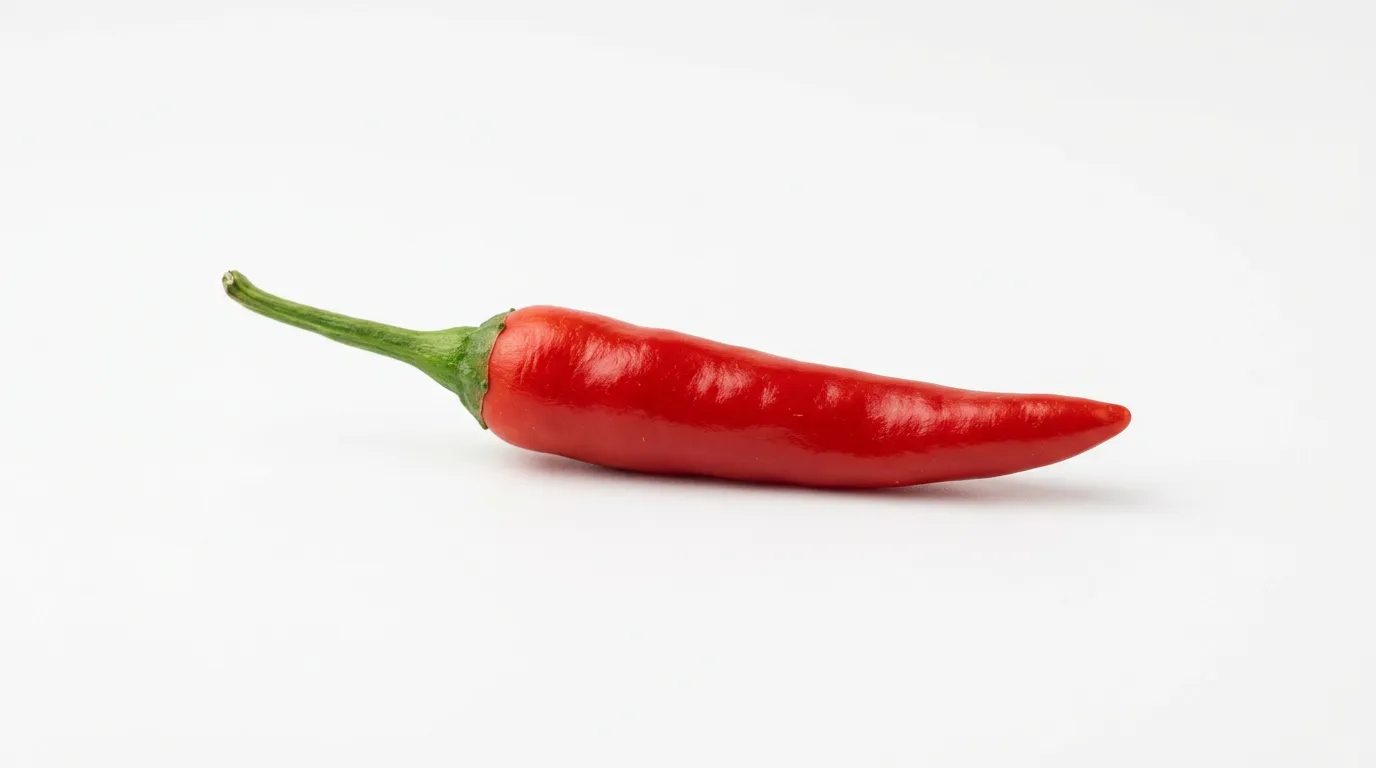
Le piment de Cayenne est un piment rouge moulu utilisé pour apporter du piquant et de la saveur aux aliments. Pour les bébés et les jeunes enfants, ce n’est pas un aliment nécessaire en soi, mais une toute petite pincée peut faire partie des repas familiaux et aider à faire découvrir à l’enfant une plus grande variété de saveurs et d’aliments issus de différentes cultures. Sur le plan nutritionnel, le piment de Cayenne contient de la vitamine A ainsi que de petites quantités de vitamine C, de fibres et de minéraux. Cependant, comme les bébés ne consomment que de très petites quantités d’épices, le piment de Cayenne n’est généralement pas une source significative de nutriments. Son rôle principal dans l’alimentation infantile est l’exposition aux saveurs plutôt que l’apport en calories ou en nutriments. Le piment de Cayenne n’est pas un allergène courant, mais il peut irriter la bouche, la peau ou les yeux et provoquer une gêne si la quantité utilisée est trop importante. Certains enfants sensibles à d’autres piments ou à certains pollens peuvent réagir, et le contact autour de la bouche peut parfois ressembler à une éruption cutanée même lorsqu’il ne s’agit pas d’une véritable allergie. La plupart des bébés peuvent goûter une très petite quantité de piment de Cayenne dès 6 mois lorsqu’il est mélangé à un aliment familier. Commencez par une toute petite pincée dans une grande portion de nourriture et évitez de servir des plats épicés qui provoquent une sensation de brûlure évidente ou de l’inconfort. À mesure que votre enfant grandit, vous pouvez intégrer progressivement des plats familiaux légèrement assaisonnés tout en continuant à observer sa réaction.
Comment servir selon l'âge
Si vous souhaitez faire découvrir une saveur épicée, mélangez une très petite pincée de piment de Cayenne à une plus grande portion d’aliment afin que le piquant reste léger. Arrêtez si votre bébé semble gêné, tousse de façon répétée ou refuse l’aliment.
Proposez des plats familiaux tendres et adaptés à l’âge, assaisonnés avec une très petite quantité de piment de Cayenne. Gardez un niveau d’épices doux et associez si besoin à des aliments adoucissants comme le yaourt, l’avocat ou les haricots.
Les tout-petits peuvent continuer à découvrir des aliments légèrement épicés selon leur tolérance. Évitez les plats très piquants et gardez à l’esprit que la tolérance varie beaucoup d’un enfant à l’autre.
Se marie bien avec
Sécurité et allergènes
Le piment de Cayenne en poudre présente lui-même un faible risque d’étouffement lorsqu’il est bien mélangé aux aliments, mais il peut irriter la bouche et déclencher de la toux si la quantité utilisée est trop importante ou si la poudre sèche est inhalée. Ne donnez jamais de cuillerées d’épice en poudre seule. Mélangez une toute petite pincée à des aliments humides et servez-le uniquement comme composant d’un plat.
À surveiller
Liste de sécurité
Conservation et durée
Conservez le piment de Cayenne dans un récipient hermétique, dans un endroit frais et sec, à l’abri de la chaleur, de l’humidité et de la lumière directe du soleil. Pour une saveur optimale, utilisez-le dans les 6 à 12 mois environ.
La congélation n’est généralement ni nécessaire ni recommandée pour un usage courant. En cas de conservation prolongée, gardez-le dans un contenant hermétique résistant à l’humidité afin de préserver sa saveur et d’éviter les agglomérats.
Nutrition
- Contient de la vitamine A
- Apporte un peu de vitamine C
- Ajoute de la variété de saveurs aux repas familiaux
- Peut aider à exposer les enfants à des goûts variés
- Est généralement consommé en quantités trop faibles pour apporter beaucoup de nutriments
- Peut irriter la bouche, la peau ou les yeux
- Peut provoquer de la toux ou un refus s’il est trop épicé
Nutriments clés
Valeurs nutritionnelles
| Calories | 318kcal |
|---|---|
| Protéines | 12.0g |
| Glucides | 56.6g |
| Lipides | 17.3g |
| Fibres | 27.2g |
| Sucres | 10.3g |
| Fer | 7.8mg |
| Calcium | 148.0mg |
| Potassium | 2010mg |
| Vitamine C | 76mg |
| Vitamine A | 2080.0µg |
| Folate | 106µg |
| Zinc | 2.48mg |
per 100 g
De saison
Questions fréquentes
Quand les bébés peuvent-ils manger Piment de Cayenne ?
Piment de Cayenne présente-t-il un risque d'étouffement ?
Piment de Cayenne est-il un allergène courant ?
Plus de premiers aliments

Suivez Piment de Cayenne — et tout ce que mange votre bébé
Enregistrez les repas et les réactions, recevez des alertes allergènes et suivez le parcours alimentaire de votre bébé d'un coup d'œil dans l'application Alimoo.


Sources