
About Beech Mushroom
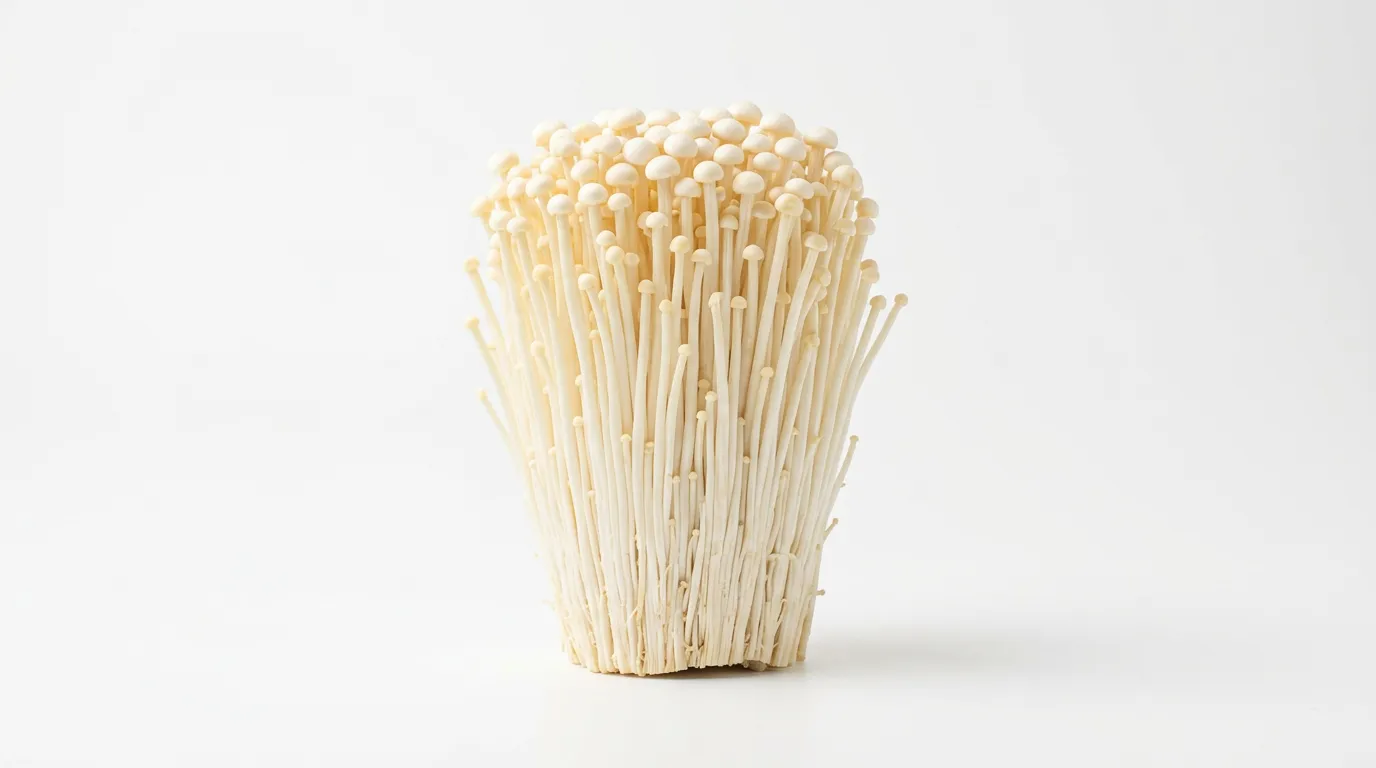
Beech mushrooms are small, delicate mushrooms that grow in clustered stems with tiny caps. When fully cooked, they can add savory flavor and soft texture to baby and toddler meals, especially when mixed into foods like rice, eggs, pasta, soups, or mashed vegetables. They provide fiber for digestion, potassium for muscle and nerve function, and small amounts of iron and B vitamins including folate and niacin. Like many mushrooms, beech mushrooms are not a major source of calories or protein, but they can help broaden flavor exposure and add variety to family meals. Beech mushrooms are not a common allergen, but mushroom allergy is possible. Raw mushrooms can be tough and harder to digest, and cooked mushrooms can still be chewy or slippery, which raises choking risk if served in large pieces. Always cook thoroughly and chop into age-appropriate pieces. Most babies can start beech mushrooms from 6 months old if they are fully cooked and served finely chopped or mixed into soft foods. As chewing skills improve, you can offer small soft pieces and later larger cooked pieces. Avoid raw mushrooms and always supervise closely during meals.
How to serve by age
Cook beech mushrooms until very soft, trim the tough base, and chop very finely. Stir into mashed vegetables, rice, polenta, eggs, or other soft foods that are easy for baby to manage.
Offer fully cooked mushrooms in very small soft pieces once your baby is developing a pincer grasp. Slice lengthwise when needed and avoid slippery clusters or larger chewy pieces.
Serve soft bite-sized pieces in pasta, stir-fries, omelets, soups, or grain bowls. Continue to avoid raw mushrooms and check that pieces are tender and easy to chew.
Toddlers can have larger cooked mushroom pieces as part of family meals if they chew well. Continue to supervise closely, since mushrooms can still be slippery and chewy.
Pairs well with
Safety & allergens
Beech mushrooms can be chewy, slippery, and easy to swallow in clumps if not prepared carefully. Always cook until very soft, trim tough bases, and finely chop for younger babies. For older babies and toddlers, offer small soft pieces or lengthwise-sliced mushrooms rather than whole clustered stems or large caps.
What to watch for
Safety checklist
Storage & shelf life
Store fresh beech mushrooms in the refrigerator in their original packaging or a breathable container and use within 3-5 days. After cooking, refrigerate leftovers in an airtight container and use within 1-2 days.
Freeze cooked beech mushrooms in an airtight container for up to 3 months. Thaw in the refrigerator and reheat until hot before serving.
Nutrition
- Provides fiber to support digestion
- Contains potassium for muscle and nerve function
- Offers small amounts of iron and folate
- Adds savory flavor variety without much sugar
- Not a significant source of protein
- Not very calorie-dense for growing babies
- Can be chewy and higher risk for choking if not prepared carefully
Key nutrients
Nutrition facts
| Protein | 2.2g |
|---|---|
| Carbs | 6.8g |
| Fat | 0.4g |
| Fiber | 3.1g |
| Iron | 0.7mg |
| Calcium | 0.4mg |
| Potassium | 376mg |
| Zinc | 0.50mg |
per 100 g
In season
Common questions
When can babies eat Beech Mushroom?
Is Beech Mushroom a choking hazard?
Is Beech Mushroom a common allergen?
More first foods

Track Beech Mushroom and everything your baby eats
Log meals and reactions, get allergen alerts, and see your baby's food journey at a glance in the Alimoo app.


Backed by