
À propos de Pleurote royale (pleurote du panicaut)
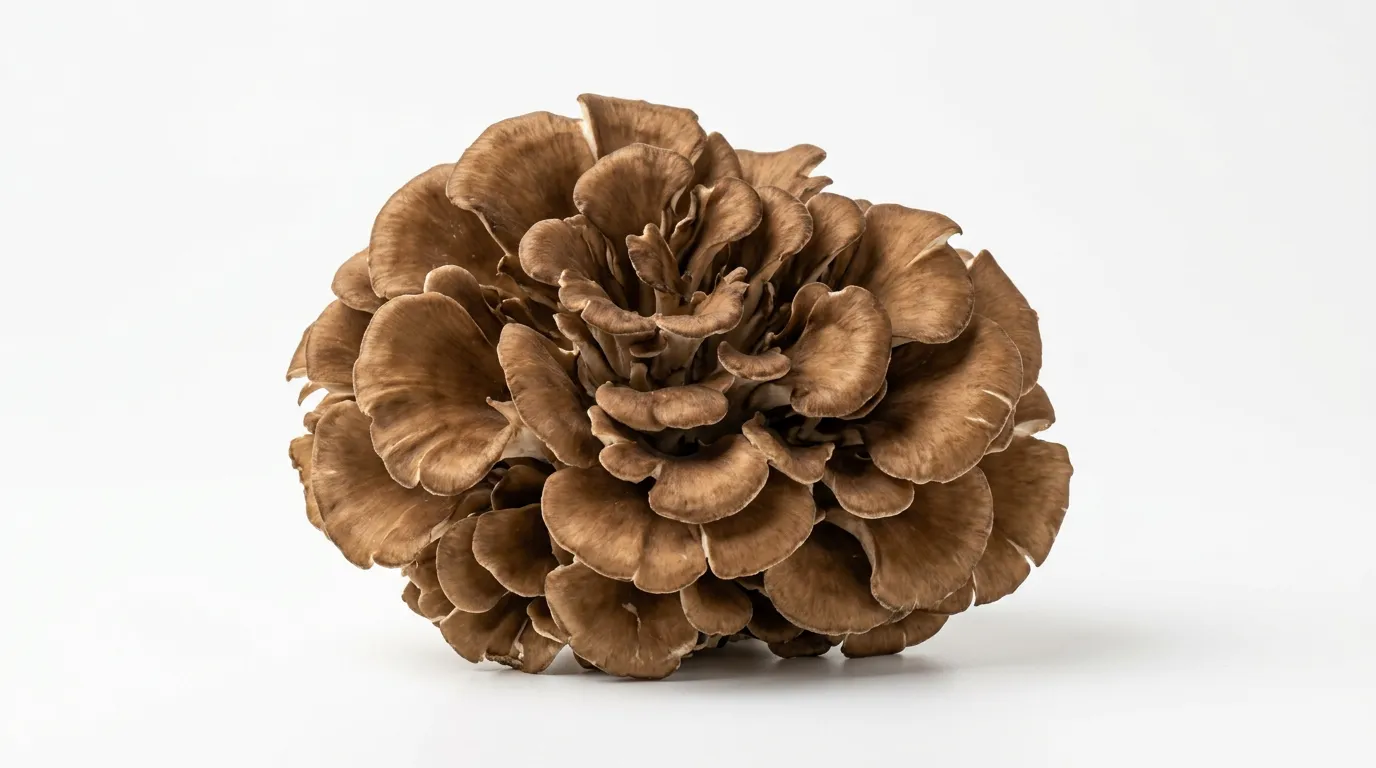
La pleurote royale, aussi appelée pleurote du panicaut, est un gros champignon comestible à pied épais et à la saveur douce et umami. Lorsqu’elle est cuite jusqu’à devenir bien fondante, elle peut être une manière savoureuse d’initier les bébés et les tout-petits aux saveurs terreuses et aux textures végétales tendres. Comme elle peut devenir caoutchouteuse ou glissante, la préparation est particulièrement importante, davantage que pour beaucoup d’autres légumes. Ces champignons apportent du potassium, utile à l’équilibre hydrique et à la fonction musculaire, ainsi que de petites quantités de fibres, de vitamines du groupe B et de minéraux comme le zinc. Ils sont peu caloriques et peuvent ajouter de la texture et une saveur umami aux repas, ce qui peut aider les bébés à accepter une plus grande variété d’aliments. Les champignons ne sont pas une source importante de fer ni de lipides ; il est donc préférable de les proposer avec des aliments plus riches en fer et en énergie. L’allergie aux champignons est peu fréquente, et la pleurote royale n’est pas un allergène courant. Toutefois, des réactions sont possibles, notamment des démangeaisons dans la bouche, une éruption cutanée, des vomissements ou des symptômes respiratoires. Certains enfants peuvent aussi réagir aux sulfites présents dans certains produits à base de champignons séchés ou transformés ; les champignons frais sont donc généralement le choix le plus simple pour une première introduction. La plupart des bébés peuvent commencer la pleurote royale dès 6 mois si elle est bien cuite jusqu’à être fondante et servie finement hachée ou effilochée en morceaux faciles à gérer. À mesure que les compétences de mastication progressent, vous pouvez proposer de très fines lanières bien tendres ou de petits morceaux hachés. Évitez les champignons crus ainsi que les tranches épaisses, rondes ou en forme de pièces, qui peuvent être glissantes et plus difficiles à mâcher en toute sécurité.
Comment servir selon l'âge
Faites cuire la pleurote royale jusqu’à ce qu’elle soit très fondante, puis hachez-la finement ou effilochez-la et mélangez-la à des légumes écrasés, du riz, des œufs ou d’autres aliments mous. Évitez les gros morceaux, les morceaux caoutchouteux ou les rondelles.
Une fois que votre bébé gère des textures plus variées, proposez du champignon bien cuit en très fines lanières tendres ou en petits morceaux hachés. Si la texture semble caoutchouteuse, hachez plus finement avant de servir.
Servez de petits morceaux tendres dans des sautés, des plats de pâtes, de riz ou des omelettes. Continuez à éviter les tranches épaisses et assurez-vous que le champignon soit tendre plutôt que caoutchouteux.
Les tout-petits peuvent manger des morceaux tendres hachés ou des lanières dans le cadre des repas familiaux. Gardez des morceaux faciles à gérer, encouragez les petites bouchées et surveillez, car les champignons peuvent rester glissants et caoutchouteux.
Se marie bien avec
Sécurité et allergènes
La pleurote royale peut être ferme, caoutchouteuse et glissante, ce qui augmente le risque d’étouffement si elle est servie en gros morceaux. Faites-la cuire soigneusement jusqu’à ce qu’elle soit très fondante, puis hachez-la finement, effilochez-la ou coupez-la en fines lanières tendres. Évitez les champignons crus, les tranches épaisses et les rondelles en forme de pièce.
À surveiller
Liste de sécurité
Conservation et durée
Conservez les pleurotes royales fraîches au réfrigérateur, idéalement dans un sac en papier ou un contenant respirant, et utilisez-les dans les 3 à 5 jours. Une fois cuites, conservez-les au réfrigérateur dans un récipient hermétique et utilisez-les dans les 3 jours.
Congelez les pleurotes royales cuites dans un récipient hermétique jusqu’à 3 mois. Décongelez-les au réfrigérateur et réchauffez-les jusqu’à ce qu’elles soient bien chaudes, puis laissez-les refroidir avant de servir.
Nutrition
- Apporte du potassium, utile à la fonction musculaire et nerveuse
- Contient des fibres qui favorisent la digestion
- Offre une saveur umami qui peut élargir l’acceptation des goûts
- Pauvre en calories et facile à ajouter aux plats mélangés
- N’est pas une source significative de fer
- Pauvre en lipides et en protéines
- Peut devenir caoutchouteux ou glissant s’il n’est pas bien cuit
- À associer de préférence à des aliments plus riches en énergie et en fer
Nutriments clés
Valeurs nutritionnelles
| Calories | 286kcal |
|---|---|
| Protéines | 14.6g |
| Glucides | 23.7g |
| Lipides | 14.8g |
| Fibres | 1.0g |
| Sucres | 4.5g |
| Fer | 2.5mg |
| Calcium | 93.0mg |
| Potassium | 178mg |
| Vitamine C | 0mg |
| Zinc | 2.40mg |
per 100 g
De saison
Questions fréquentes
Quand les bébés peuvent-ils manger Pleurote royale (pleurote du panicaut) ?
Pleurote royale (pleurote du panicaut) présente-t-il un risque d'étouffement ?
Pleurote royale (pleurote du panicaut) est-il un allergène courant ?
Plus de premiers aliments

Suivez Pleurote royale (pleurote du panicaut) — et tout ce que mange votre bébé
Enregistrez les repas et les réactions, recevez des alertes allergènes et suivez le parcours alimentaire de votre bébé d'un coup d'œil dans l'application Alimoo.


Sources