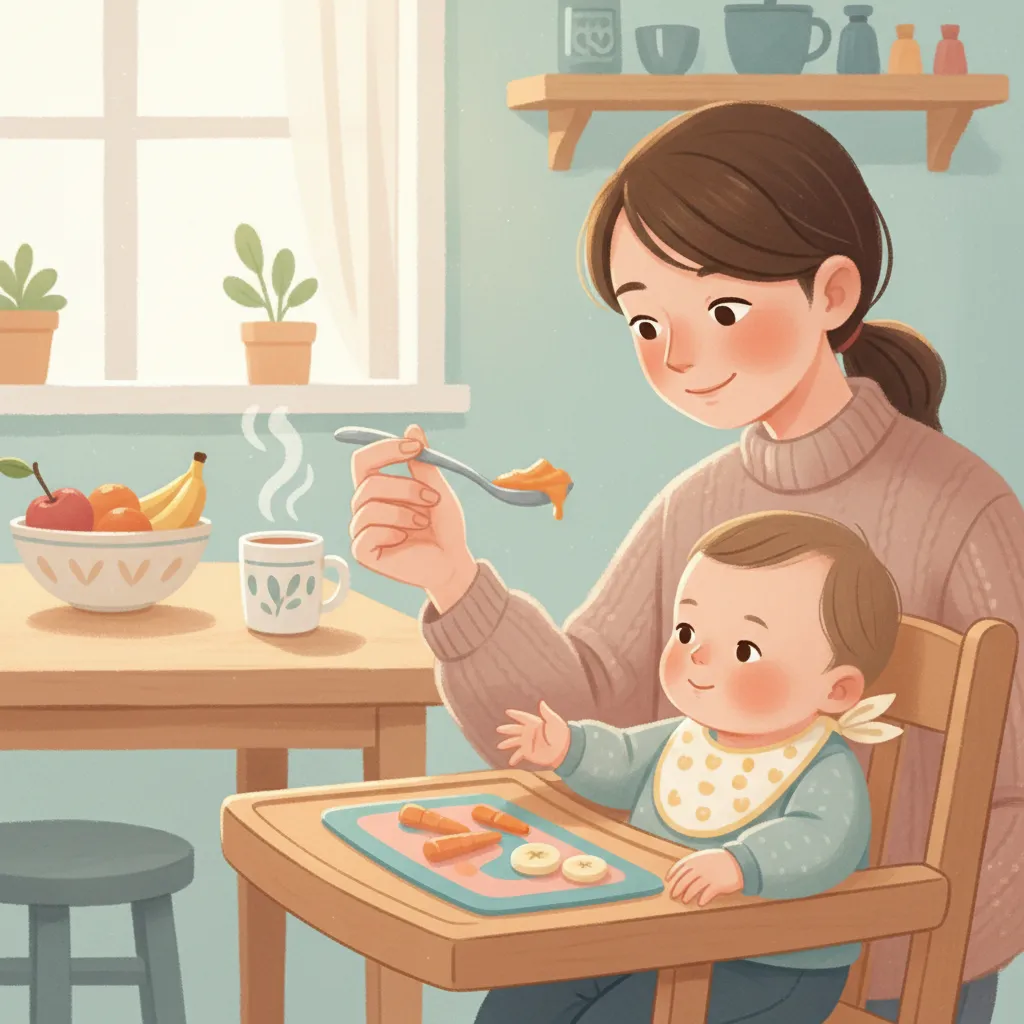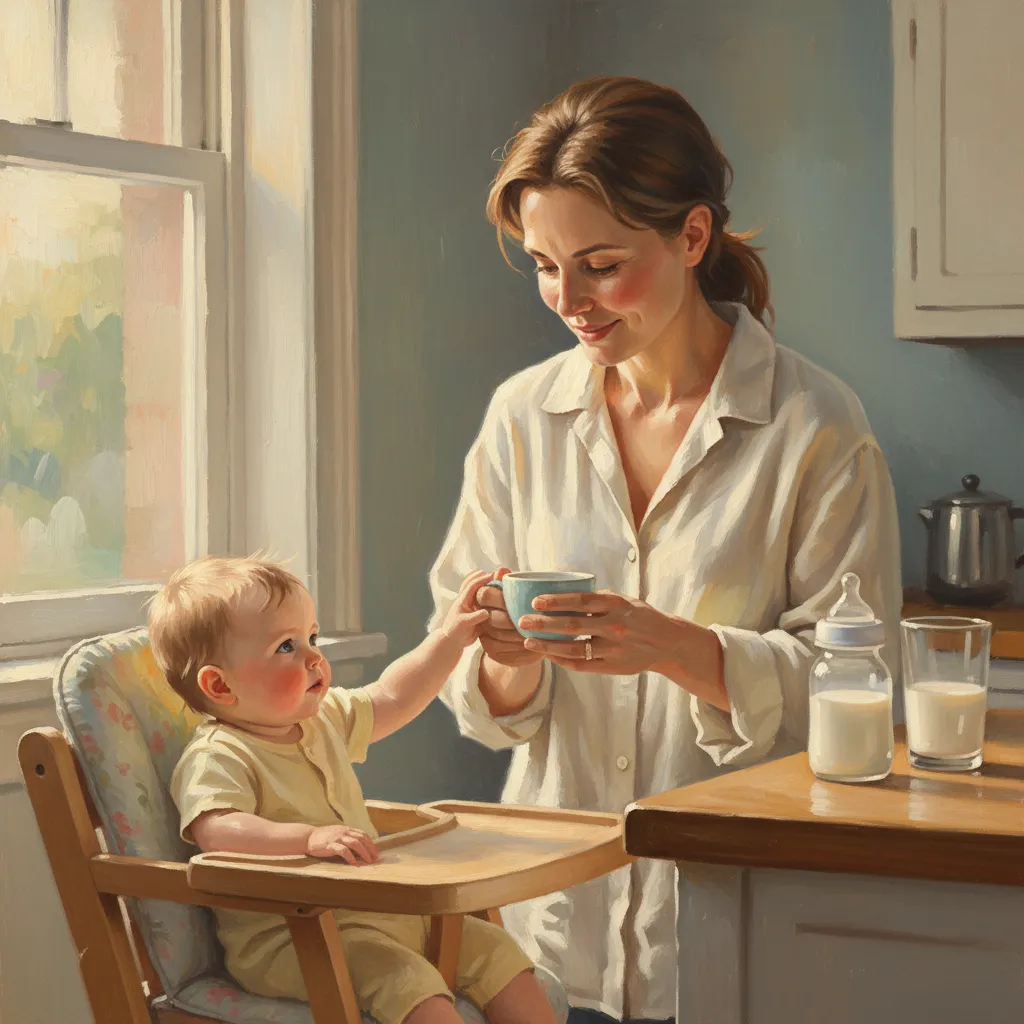

Many babies can begin practicing cup drinking in the first year, and by toddlerhood it helps to move away from bottles. An open cup may feel messy at first, but it supports oral development, helps your baby learn mature drinking skills, and can make it easier to avoid long-term bottle use.
You do not need to wait until your baby is perfectly coordinated. The goal is practice, not perfection. Small amounts of water or milk offered in a cup with meals give your baby repeated chances to learn while you keep feeding safe and calm.
This guide explains why open cups are preferred over sippy cups, when to start, and how to introduce cup drinking in a way that fits your baby’s age and skills.
Why open cups are better than sippy cups
Open cups encourage a drinking pattern that is closer to normal swallowing and sipping. They also help your baby learn how to tip, pace, and control a small flow of liquid. That practice supports the transition away from bottles and toward age-appropriate drinking skills.
If you want a cup with some spill protection, choose one designed to help with learning but still encourage open-cup skills. The best choice is usually the simplest cup your baby can use safely with supervision.
When to start cup practice
You can usually start offering a small open cup around 6 months, when your baby begins solids and can sit with support. At first, the cup is for practice. Your baby may sip a little, spill often, and need lots of help.
Between 6 and 12 months, many babies do best with very small amounts of water with meals and breast milk or formula as their main drinks. As your baby grows, cup drinking becomes easier with more opportunities to practice.
Do not replace breast milk or formula with water in young infants. Babies under 12 months should get water only in small amounts, mainly to practice cup skills or with meals if your pediatrician agrees.
How bottles can linger too long
The American Academy of Pediatrics recommends weaning from the bottle by about 18 months. Staying on bottles too long can make it harder to break the habit later, especially if your child uses a bottle to fall asleep or to calm down.
A prolonged bottle habit can also mean more frequent contact between milk, formula, or juice and your child’s teeth. That can increase the risk of tooth decay, especially if bottles are used at bedtime or throughout the night.
Dental and speech reasons to move on
Open cups support a more mature way of drinking. That matters for oral development because your child uses different muscles and movements to drink from a cup than from a bottle or spouted container.
Using a bottle for too long can keep sucking patterns in place when your child is ready to practice chewing, swallowing, and drinking from a cup. That is one reason many pediatric and dental groups recommend shifting away from bottles in the second year of life.
If your child still wants comfort at bedtime, try separating feeding from falling asleep. Offer milk earlier in the routine, then use cuddling, a book, or a song instead of a bottle.
A gentle step-by-step way to introduce an open cup
Start with a small, lightweight cup and a tiny amount of liquid. Sit your baby upright and hold the cup for them at first. Tilt it just enough for a small sip, then pause so your baby can swallow. Short, repeated practice works better than long drinking sessions.
If your baby seems frustrated, keep the practice brief and try again later. Many babies need many repetitions before they can drink successfully from an open cup.
A good early goal is not “independent drinking” but “comfortable practice.” Even one or two sips at a meal can be meaningful progress.
What to offer in the cup
For most babies, water is the simplest practice drink with meals. Breast milk or formula remains the main source of nutrition through the first year, and later a cup can also be used for milk as your child transitions away from bottles.
Never prop a bottle or leave a cup with a baby unattended. Unsupervised drinking can increase choking risk and can also lead to overfeeding or too much fluid intake.
How to move away from the bottle
Many families do best with a gradual plan. You might begin by replacing one bottle a day with a cup, usually at a meal when your baby is alert and receptive. Then, slowly expand cup use as your child learns.
Some children adapt quickly, while others need more time. The key is to stay consistent and avoid making the bottle the only way your child can settle or finish a meal.
Common challenges and what helps
Spills, coughing with the first sips, and short attention spans are common in the beginning. These do not usually mean your baby is not ready; they often mean your baby is learning.
If your baby has developmental differences, oral-motor concerns, or a history of feeding difficulty, you may need more individualized guidance on cup type and pacing.
When to call your pediatrician
Reach out to your pediatrician if your baby seems to choke, cough repeatedly, or breathe noisily with cup drinking; if feeding feels painful or very stressful; if your child is not making progress with cup practice by the second year of life; or if you are finding it very hard to reduce bottles by 18 months.
You should also call if you are worried about poor weight gain, dehydration, dental problems, or your child relying on bottles to fall asleep every night. Your pediatrician can help you make a plan that is safe, realistic, and suited to your baby.