
About Tamari
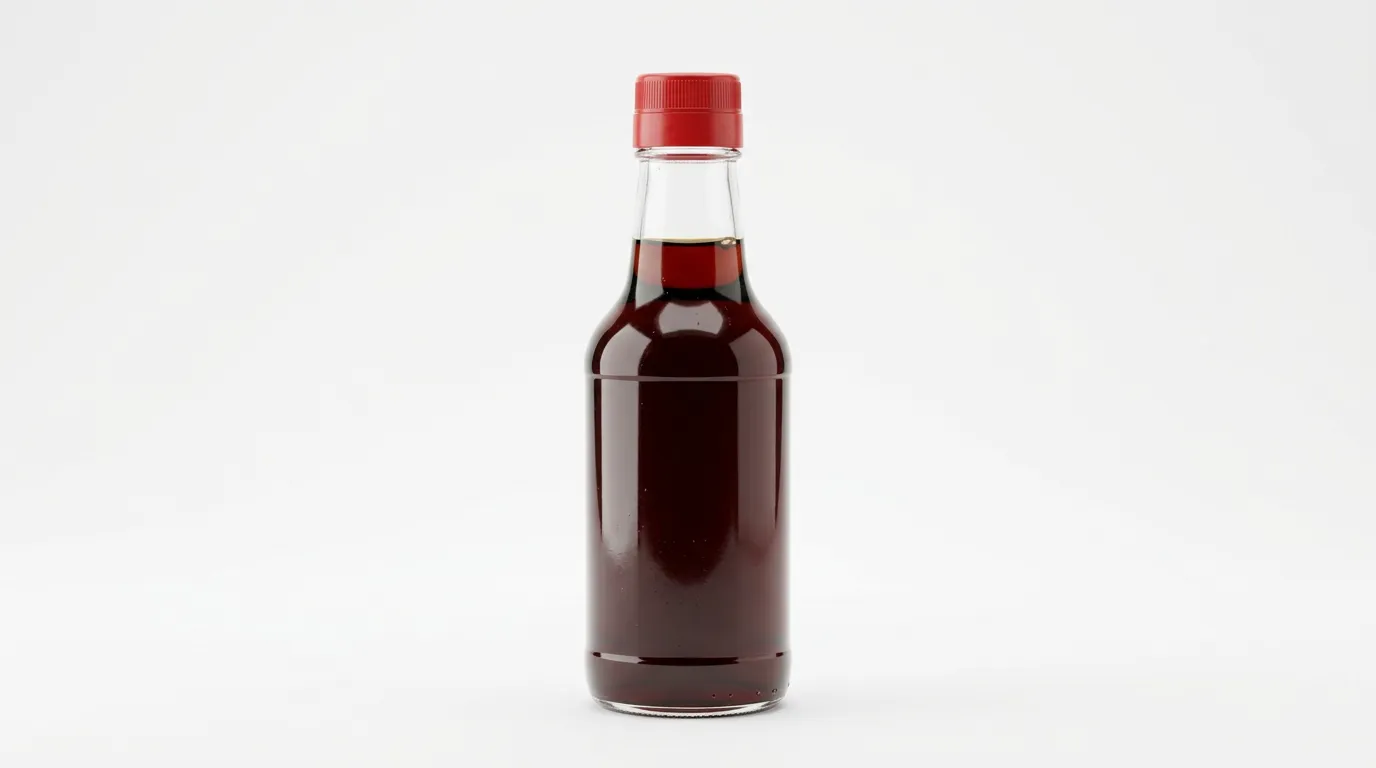
Tamari is a Japanese-style fermented soy sauce made primarily from soybeans. It is used as a seasoning rather than a main food, adding a savory umami flavor to soups, noodles, rice dishes, vegetables, and marinades. For babies and toddlers, tamari is not needed nutritionally, but a very small amount can be used occasionally to flavor family foods once soy has been introduced. Tamari contains small amounts of protein, iron, and other compounds from fermented soy, but it is most notable for its very high sodium content. Because babies and young toddlers need only small amounts of sodium, tamari should be used sparingly and diluted within a dish rather than served as a dip or poured heavily over food. Tamari contains soy, which is a common allergen. Some brands are gluten-free, but others may contain wheat or be processed in facilities that handle wheat, so always read the label carefully if your child has wheat allergy or celiac disease. Fermented soy sauces can also be very salty, so the main safety concern is sodium exposure rather than choking. Most babies can have tiny amounts of tamari mixed into cooked foods from around 6 months, as long as soy has already been introduced or is being introduced carefully. For younger babies, use only a small splash in a shared family dish. As children get older, tamari can be used occasionally in marinades, stir-fries, or sauces, but it should remain a light seasoning rather than a regular or heavy condiment.
How to serve by age
If soy has already been introduced or is being introduced carefully, use only a very small splash of tamari in a shared dish such as vegetables, rice, or soup. Avoid serving salty broth or strongly seasoned foods to babies.
Use tamari sparingly in stir-fries, marinades, noodles, or sauces for family meals. Keep portions small and balance with low-sodium ingredients.
Toddlers can have small amounts of tamari in mixed sauces or lightly drizzled over food, but it should still be used as an occasional seasoning rather than a frequent salty condiment.
Pairs well with
Safety & allergens
Tamari itself is a liquid and is not a choking hazard, but it should only be used in very small amounts because it is high in sodium. Mix a small splash into cooked foods rather than serving it straight, and avoid letting babies drink salty broth or use tamari as a dipping sauce.
What to watch for
Safety checklist
Storage & shelf life
Store unopened tamari in a cool, dry place. After opening, keep tightly closed in the refrigerator for best flavor and use within several months according to the label.
Freezing is generally not recommended, as tamari keeps well refrigerated and freezing may affect flavor quality.
Nutrition
- Adds savory flavor that may help babies enjoy a wider variety of foods
- Contains small amounts of protein and iron from soy
- Fermented soy products can contribute flavor without added sugar
- Very high in sodium
- Not an important source of calories or key baby nutrients
- Contains soy, a common allergen
- Some brands may contain wheat or have gluten cross-contact
Key nutrients
Nutrition facts
| Calories | 60kcal |
|---|---|
| Protein | 10.5g |
| Carbs | 5.6g |
| Fat | 0.1g |
| Fiber | 0.8g |
| Sugar | 1.7g |
| Iron | 2.4mg |
| Calcium | 20.0mg |
| Potassium | 212mg |
| Folate | 18µg |
| Zinc | 0.43mg |
per 100 g
In season
Common questions
When can babies eat Tamari?
Is Tamari a choking hazard?
Is Tamari a common allergen?
More first foods

Track Tamari and everything your baby eats
Log meals and reactions, get allergen alerts, and see your baby's food journey at a glance in the Alimoo app.


Backed by