
About Soy Sauce
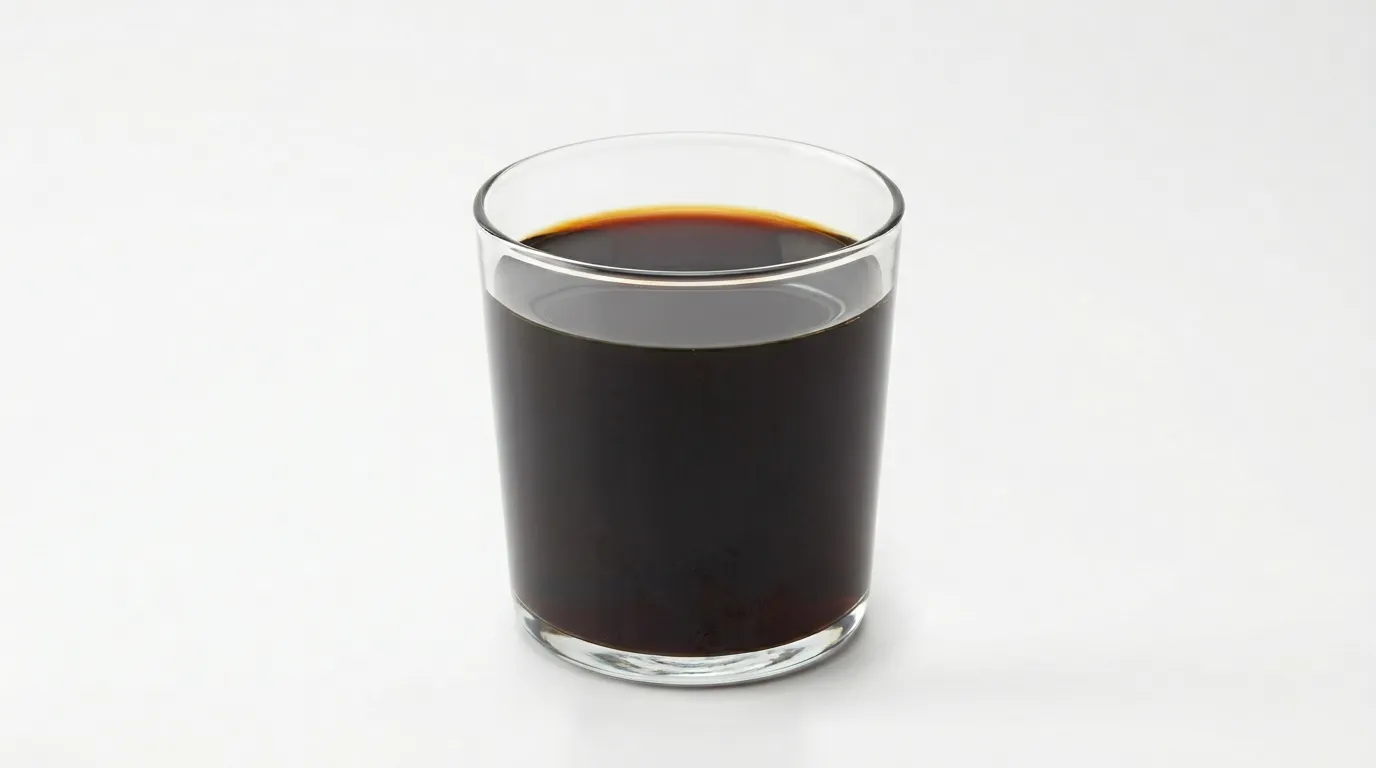
Soy sauce is a salty fermented condiment made from soybeans, and often wheat, that is commonly used to flavor savory dishes. It is not a food babies need on its own, but a very small amount can be used to season family meals once solids are established. Soy sauce contains small amounts of protein, potassium, and trace minerals, but its main nutritional feature is sodium. Because babies and toddlers need only modest amounts of sodium, soy sauce should be used sparingly and not relied on as a meaningful source of nutrition. Soy is a common allergen, and many soy sauces also contain wheat, another common allergen. If your child has not yet eaten soy or wheat, it is usually best to introduce those foods separately first. Watch labels carefully, since some varieties are brewed with wheat while others may be gluten-free. Most babies can have a small taste of soy sauce mixed into a meal from around 6 months, but only in tiny amounts because of the salt content. For older babies and toddlers, continue using it lightly in cooked dishes, marinades, or sauces rather than serving it as a dip or drink.
How to serve by age
If soy and wheat have already been introduced safely, you can use a very small amount of soy sauce to flavor a family dish. Do not offer it directly by spoon or as a dip, and keep portions minimal because of the sodium content.
Use soy sauce sparingly in stir-fries, noodles, rice dishes, or marinades. Choose lower-sodium versions when possible, but still use only small amounts.
Toddlers can have soy sauce as part of family foods, but avoid making salty condiments a major part of the meal. Encourage balanced meals with vegetables, protein, and unsalted foods alongside.
Pairs well with
Safety & allergens
Soy sauce itself is not a choking hazard, but it should only be used in very small amounts mixed into age-appropriate foods. Do not offer it by spoon, cup, or as a dipping bowl for babies, and avoid heavily salted dishes.
What to watch for
Safety checklist
Storage & shelf life
Store unopened soy sauce in a cool, dark place. After opening, refrigerate and keep tightly closed for best quality.
Freezing is not recommended, as soy sauce is shelf-stable and quality may decline after thawing.
Nutrition
- Adds strong flavor in a very small amount
- Contains small amounts of protein and potassium
- Fermented varieties may contribute savory flavor that helps family foods feel familiar
- Very high in sodium
- Not a meaningful source of most nutrients for babies
- Often contains both soy and wheat allergens
- Should be used only sparingly in infant meals
Key nutrients
Nutrition facts
| Calories | 60kcal |
|---|---|
| Protein | 10.5g |
| Carbs | 5.6g |
| Fat | 0.1g |
| Fiber | 0.8g |
| Sugar | 1.7g |
| Iron | 2.4mg |
| Calcium | 20.0mg |
| Potassium | 212mg |
| Folate | 18µg |
| Zinc | 0.43mg |
per 100 g
In season
Common questions
When can babies eat Soy Sauce?
Is Soy Sauce a choking hazard?
Is Soy Sauce a common allergen?
More first foods

Track Soy Sauce and everything your baby eats
Log meals and reactions, get allergen alerts, and see your baby's food journey at a glance in the Alimoo app.


Backed by