
About Pumpkin
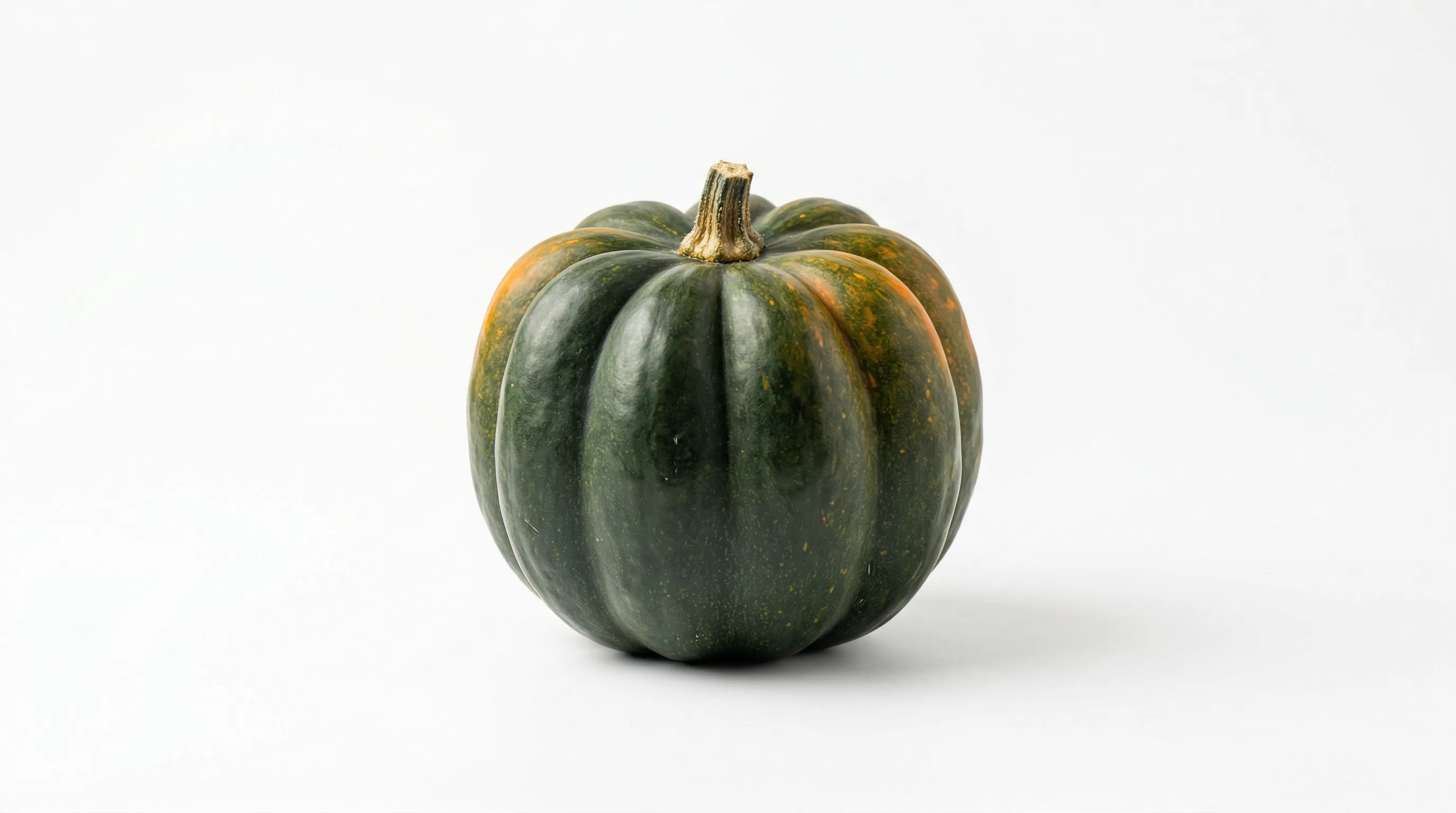
Pumpkin is a soft, mild-flavored vegetable that works very well for babies starting solids. When cooked until tender, it can be mashed, pureed, or served in soft pieces, making it easy to adapt for different stages of eating. It is especially known for beta-carotene, which the body converts to vitamin A to support healthy vision, skin, and immune function. Pumpkin also provides potassium, vitamin C, and some fiber, which can help support hydration, digestion, and overall growth. Pumpkin is not a common allergen, and true pumpkin allergy is rare. Still, any food can cause a reaction, so it is best to introduce it plain at first. Remove seeds and tough skin, and cook thoroughly before serving. Raw or undercooked pumpkin is too firm for babies and can increase choking risk. Most babies can start pumpkin from 6 months old. Begin with smooth mashed or pureed pumpkin, then move to soft scoopable mash or very soft pieces as chewing skills improve. Older babies and toddlers can enjoy roasted pumpkin cubes, mixed dishes, soups, and spreads with close supervision.
How to serve by age
Offer plain cooked pumpkin mashed smooth or pureed. You can preload a spoon or offer a soft scoopable mash for baby to explore with hands.
Serve well-cooked pumpkin as a thicker mash or very soft small pieces once your baby is developing a pincer grasp. Pieces should squish easily between your fingers.
Offer tender roasted or steamed pumpkin in bite-sized pieces. Pumpkin can also be mixed into grains, pasta, soups, or yogurt-like savory spreads for self-feeding practice.
Toddlers can enjoy soft pumpkin in cubes, wedges, soups, stews, pancakes, or muffins. Continue to avoid hard, undercooked pieces and supervise closely.
Pairs well with
Safety & allergens
Pumpkin is low risk when fully cooked until very soft and served in age-appropriate forms. For younger babies, offer smooth mash or puree. For older babies, serve soft pieces that mash easily between your fingers. Always remove seeds, stringy pulp, and tough skin.
What to watch for
Safety checklist
Storage & shelf life
Refrigerate cooked pumpkin or pumpkin puree in an airtight container for 3-5 days.
Freeze cooked pumpkin or puree in an airtight container or ice cube tray for up to 3 months. Thaw in the refrigerator before serving.
Nutrition
- Very rich in vitamin A to support vision and immune health
- Contains potassium for muscle and nerve function
- Provides vitamin C to support immune function
- Soft texture is easy to adapt for early eaters
- Not a significant source of protein
- Contains very little fat
- Lower in iron and zinc than many iron-rich first foods
Key nutrients
Nutrition facts
| Calories | 26kcal |
|---|---|
| Protein | 1.0g |
| Carbs | 6.5g |
| Fat | 0.1g |
| Fiber | 0.5g |
| Sugar | 2.8g |
| Iron | 0.8mg |
| Calcium | 21.0mg |
| Potassium | 340mg |
| Vitamin C | 9mg |
| Vitamin A | 426.0µg |
| Folate | 16µg |
| Zinc | 0.32mg |
per 100 g
In season
Common questions
When can babies eat Pumpkin?
Is Pumpkin a choking hazard?
Is Pumpkin a common allergen?
More first foods

Track Pumpkin and everything your baby eats
Log meals and reactions, get allergen alerts, and see your baby's food journey at a glance in the Alimoo app.


Backed by