
About Venison (Deer)
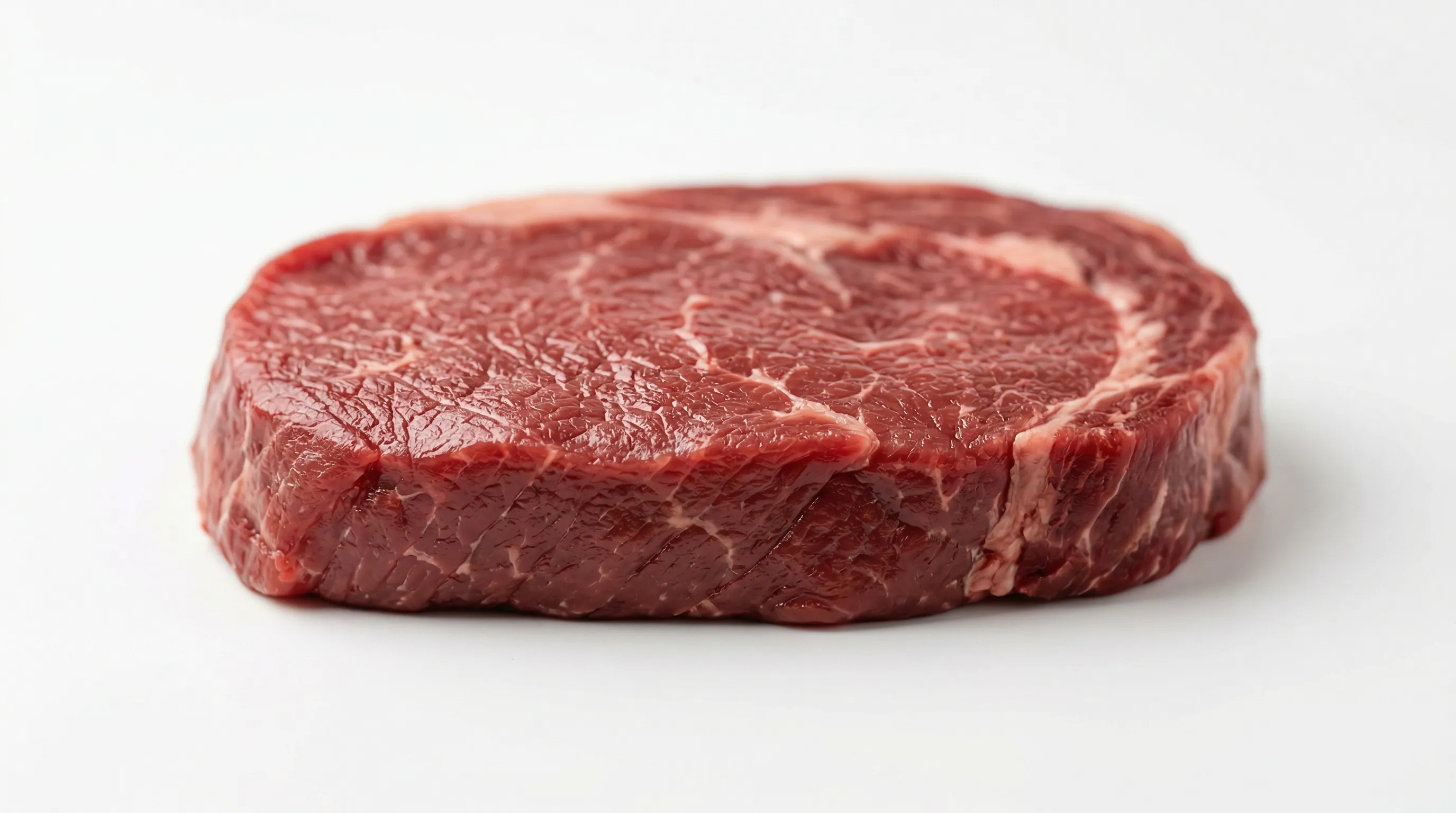
Venison is a lean red meat from deer that can be a nutritious option for babies once they are ready for solids. When cooked until tender and served in safe textures, it offers a savory flavor and dense nutrition in small portions, which can be especially helpful for babies who are learning to enjoy family foods. It is naturally rich in protein and provides highly absorbable heme iron, an important nutrient for brain development and healthy red blood cells. Venison also contains zinc to support immune function and growth, plus vitamin B12 for the nervous system. Because it is lean, pairing it with moist foods or healthy fats can make it easier for babies and toddlers to eat. Venison is not a common allergen, but any food can cause a reaction. The bigger concern is texture and dryness: meat can be difficult for babies to manage if it is tough, chewy, or served in large chunks. Always cook thoroughly, avoid undercooked or cured preparations, and serve it shredded, finely minced, or in soft patties depending on your child's age and eating skills. Most babies can start venison from 6 months old if it is offered in a very soft, moist form such as finely ground meat mixed into mash or a large soft patty they can gnaw. As chewing skills improve, you can move to shredded or minced venison, then to very small tender pieces. Continue to supervise closely at every age.
How to serve by age
Offer fully cooked finely ground venison stirred into mashed vegetables, beans, or cereal with a little broth or water to keep it moist. You can also offer a large soft patty or finger-shaped piece made from ground venison for baby to hold and gnaw.
Serve venison finely shredded or minced once your baby is managing more texture. Keep pieces very soft and moist, and pair with foods like mashed sweet potato, yogurt, or applesauce to make swallowing easier.
Offer very small tender pieces of cooked venison or soft ground patties. Avoid dry cubes or chewy slices, and encourage your toddler to take small bites while seated and supervised.
When your toddler chews well, you can offer very thin tender slices or bite-sized pieces of venison. Continue to avoid tough cuts and processed game meats, which can still be hard to chew safely.
Pairs well with
Safety & allergens
Venison can be a choking hazard if it is dry, tough, or served in large pieces. For younger babies, offer very soft ground venison mixed into mash or a moist, easy-to-hold patty. For older babies and toddlers, serve finely shredded, minced, or very small tender pieces. Avoid chewy strips, large chunks, jerky, sausage-style products, and undercooked meat.
What to watch for
Safety checklist
Storage & shelf life
Refrigerate cooked venison in an airtight container and use within 3-4 days. Raw venison should be kept very cold and cooked or frozen promptly.
Freeze cooked venison or raw venison in an airtight freezer-safe container for up to 3 months for best quality. Thaw in the refrigerator before reheating or cooking.
Nutrition
- Rich in highly absorbable iron for blood and brain development
- Provides high-quality protein for growth
- Contains zinc to support immune function
- Naturally low in carbohydrates and sugar
- A lean red meat option with vitamin B12
- Can be dry and difficult for babies to manage if overcooked
- Contains no fiber
- Not a significant source of vitamin C
- Lean texture may need added moisture or fat for easier eating
Key nutrients
Nutrition facts
| Calories | 116kcal |
|---|---|
| Protein | 21.5g |
| Fat | 2.7g |
| Iron | 2.9mg |
| Calcium | 7.0mg |
per 100 g
In season
Common questions
When can babies eat Venison (Deer)?
Is Venison (Deer) a choking hazard?
Is Venison (Deer) a common allergen?
More first foods

Track Venison (Deer) and everything your baby eats
Log meals and reactions, get allergen alerts, and see your baby's food journey at a glance in the Alimoo app.


Backed by