
À propos de Tortilla
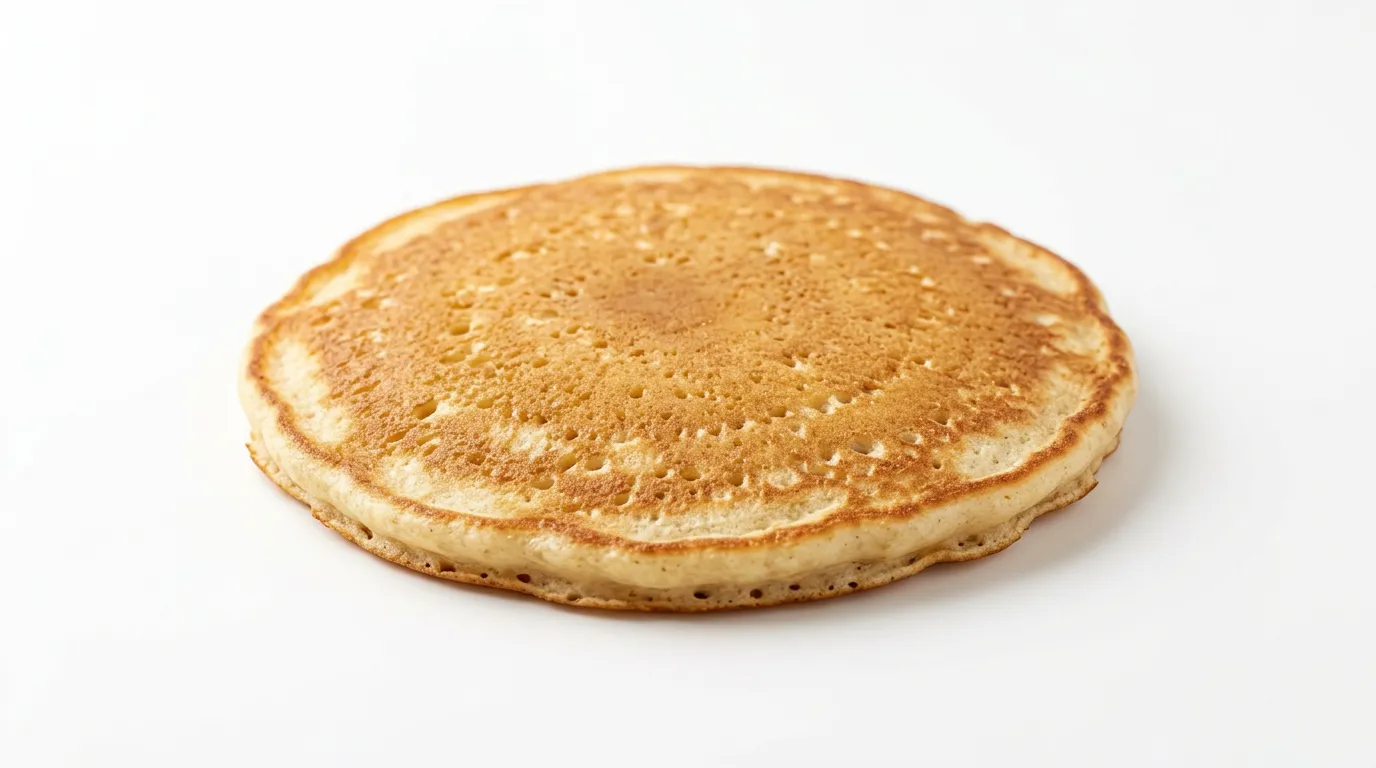
La tortilla peut être un aliment utile pour les bébés et les jeunes enfants lorsqu’elle est servie bien tendre et sous une forme sûre. Les tortillas souples de maïs ou de blé sont faciles à tenir, peuvent être coupées en lanières pour favoriser l’alimentation autonome, et s’intègrent bien aux repas familiaux comme les quesadillas, les wraps, ou lorsqu’elles sont trempées dans des soupes et des ragoûts. Les tortillas apportent principalement des glucides pour l’énergie, et certaines variétés fournissent aussi du fer, des folates, du calcium et des fibres selon les ingrédients et selon qu’elles soient enrichies ou fabriquées à partir de maïs nixtamalisé. Les tortillas de maïs préparées par nixtamalisation peuvent apporter davantage de calcium biodisponible que les produits de maïs classiques, tandis que les tortillas au blé complet peuvent fournir plus de fibres. Les tortillas de blé contiennent du blé, qui est un allergène courant. Le maïs n’est pas un allergène majeur, mais les tortillas industrielles peuvent contenir d’autres ingrédients comme du lait, du soja ou des conservateurs ; il est donc important de lire les étiquettes. Par mesure de sécurité, évitez les coquilles de tacos dures, les chips de tortilla, ainsi que tout morceau de tortilla sec ou croustillant chez les bébés et les jeunes tout-petits, car ils peuvent se casser en fragments pointus et difficiles à gérer. La plupart des bébés peuvent commencer à manger de la tortilla vers 6 mois si elle est très tendre et humidifiée si nécessaire. Proposez d’abord de grandes lanières souples ou des moitiés, puis passez à des morceaux plus petits à mesure que la mastication et la prise en pince s’améliorent. Pour les tout-petits, la tortilla peut être servie en petits morceaux ou intégrée à des plats mélangés moelleux, mais elle doit toujours rester facile à mâcher et être consommée assis, sous surveillance étroite.
Comment servir selon l'âge
Proposez une tortilla souple de maïs ou de blé coupée en grandes lanières ou en moitiés que bébé peut saisir.
À mesure que la prise en pince se développe, proposez de plus petits morceaux tendres de tortilla ou des lanières trempées dans des haricots écrasés, de l’avocat ou de la soupe. Évitez les bords secs ainsi que toute partie grillée ou croustillante.
Servez la tortilla en morceaux de la taille d’une bouchée dans le cadre de repas familiaux moelleux. Gardez les garnitures tendres et faciles à mâcher, et évitez de trop griller afin que la tortilla reste souple.
Les tout-petits peuvent s’exercer à prendre des bouchées dans des morceaux de tortilla souple pliée ou de petites sections de wrap. Continuez à éviter les chips et les coquilles dures, et surveillez de près pour vous assurer que les bouchées restent petites.
Se marie bien avec
Sécurité et allergènes
Les tortillas souples présentent un risque moindre lorsqu’elles sont coupées en lanières adaptées à l’âge ou en petits morceaux, et humidifiées si elles sont sèches. Les coquilles de tacos dures, les chips de tortilla, ainsi que les tortillas grillées ou croustillantes présentent un risque d’étouffement pour les bébés et doivent être évitées. Assurez-vous que la tortilla soit tendre, facile à déchirer et qu’elle ne soit pas roulée en une bouchée pâteuse et collante.
À surveiller
Liste de sécurité
Conservation et durée
Conservez les tortillas dans leur emballage d’origine ou dans un contenant hermétique au réfrigérateur après ouverture, et utilisez-les dans les 3 à 5 jours, ou selon les indications de l’emballage.
Congelez les tortillas dans un sac de congélation bien fermé ou un contenant hermétique pendant jusqu’à 3 mois. Décongelez-les au réfrigérateur ou à température ambiante, puis réchauffez-les jusqu’à ce qu’elles soient bien souples avant de servir.
Nutrition
- Apporte des glucides pour l’énergie
- Certaines tortillas contiennent du fer et des folates, surtout les variétés de blé enrichies
- Les tortillas de maïs nixtamalisé peuvent apporter du calcium
- Les versions à grains entiers peuvent ajouter des fibres
- La valeur nutritionnelle varie beaucoup selon la marque et les ingrédients
- Souvent pauvres en protéines lorsqu’elles sont consommées seules
- Certaines tortillas peuvent être riches en sodium
- Les tortillas à base de farine raffinée peuvent être moins riches en fibres que les options complètes
Nutriments clés
Valeurs nutritionnelles
| Calories | 224kcal |
|---|---|
| Protéines | 7.9g |
| Glucides | 29.4g |
| Lipides | 8.3g |
| Fibres | 1.5g |
| Sucres | 1.8g |
| Fer | 1.8mg |
| Calcium | 27.0mg |
| Potassium | 275mg |
| Zinc | 0.88mg |
per 100 g
De saison
Questions fréquentes
Quand les bébés peuvent-ils manger Tortilla ?
Tortilla présente-t-il un risque d'étouffement ?
Tortilla est-il un allergène courant ?
Plus de premiers aliments

Suivez Tortilla — et tout ce que mange votre bébé
Enregistrez les repas et les réactions, recevez des alertes allergènes et suivez le parcours alimentaire de votre bébé d'un coup d'œil dans l'application Alimoo.


Sources