
About Steak
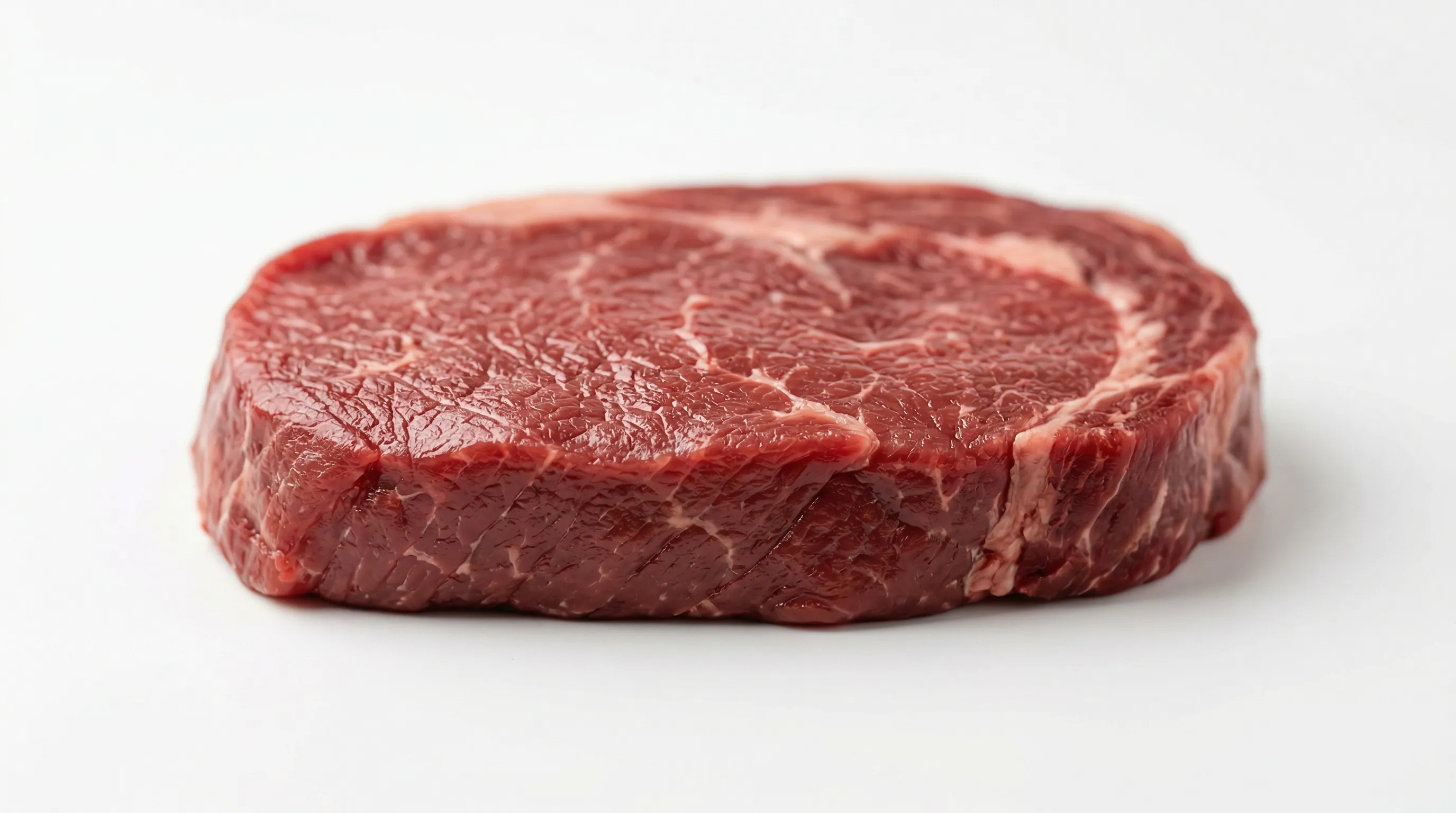
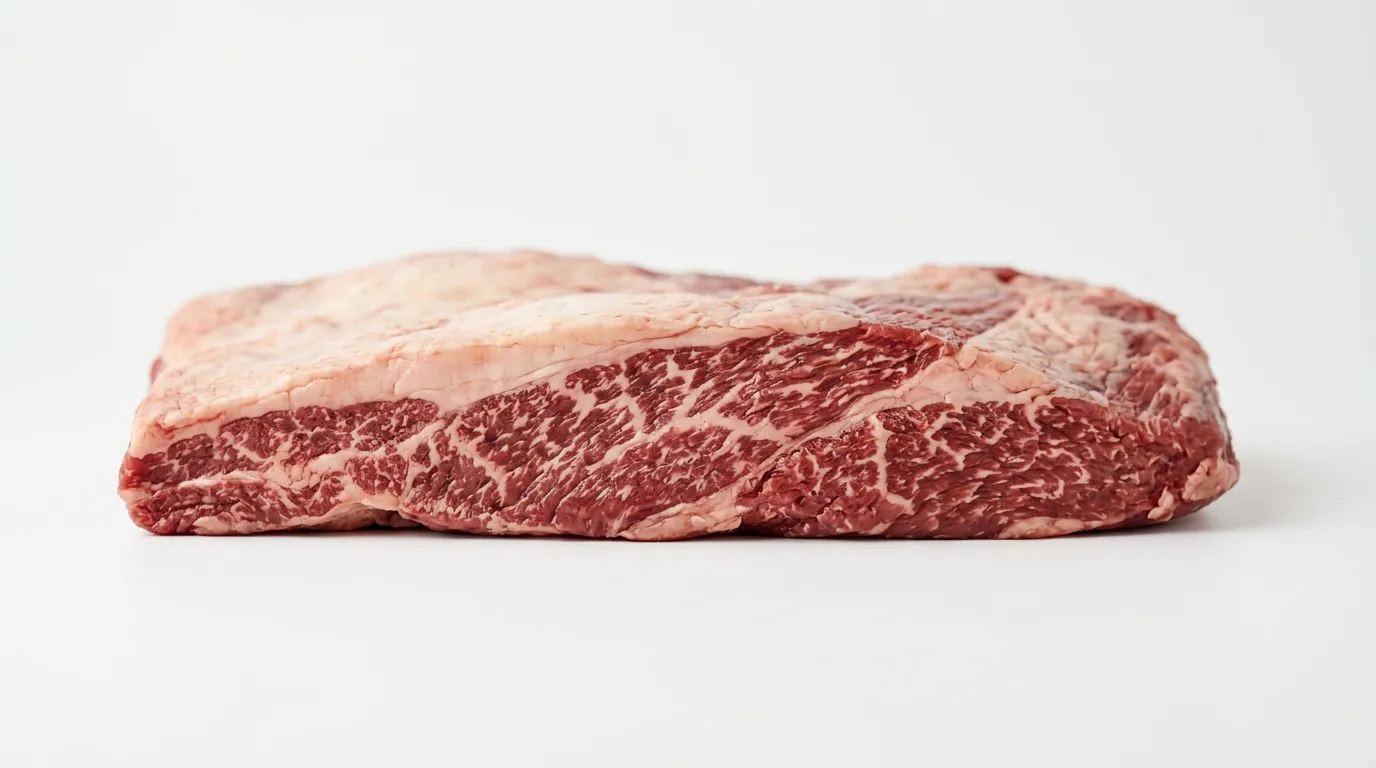
Steak is a nutrient-dense food that can be a valuable addition to a baby's diet, especially after 6 months when iron needs increase. Beef provides highly absorbable heme iron, complete protein, zinc, and vitamin B12, all of which support rapid growth and development. Because steak is firm and fibrous, it needs careful preparation to be offered safely. One of steak's biggest benefits for babies is its iron content. Heme iron from beef is absorbed more efficiently than iron from many plant foods, making steak especially useful for supporting healthy red blood cells and brain development. It also provides protein for growth and tissue repair, zinc for immune function, and vitamin B12 for the nervous system. Steak is not a common allergen, but allergic reactions to beef can happen. In some regions, delayed reactions to mammalian meat may be linked to alpha-gal syndrome after certain tick bites. Safety is also a major consideration: steak can be a choking hazard if served in chunks, with gristly fat, or undercooked. For babies, serve it fully cooked and in textures that match chewing skills. Most babies can start steak from 6 months old as a large, well-cooked strip to suck and gnaw on, not bite into large chunks. As oral skills improve, you can move to finely shredded or very finely chopped steak, then to small bite-sized pieces for toddlers. Always remove bones, gristle, and loose fatty pieces, and supervise closely during meals.
How to serve by age
Offer a large strip of tender, fully cooked steak that baby can hold and gum. This is mainly for sucking, tasting, and practicing oral mapping rather than eating much meat. Remove all loose meat, fat, gristle, and bone before serving.
Once your baby is developing a pincer grasp and stronger chewing skills, offer moist finely shredded or very finely chopped steak. Mix with broth, mashed vegetables, or a sauce if needed to keep it easier to manage.
Serve small, soft, tender pieces of fully cooked steak that are easy to chew. Continue to avoid chewy edges, large cubes, and fatty pieces that can be hard to break down.
Offer tender bite-sized pieces and encourage your toddler to use a fork. Continue close supervision, since overstuffing and swallowing poorly chewed meat can still be a choking risk.
Pairs well with
Safety & allergens
Steak is firm, fibrous, and high risk if served in chunks or with fat attached. For younger babies, offer a large well-cooked strip for sucking and gnawing, with all loose fat, gristle, and bone removed. For older babies and toddlers, serve very finely shredded, finely chopped, or small tender pieces. Avoid chewy, tough, or undercooked steak.
What to watch for
Safety checklist
Storage & shelf life
Refrigerate cooked steak in an airtight container and use within 3-4 days.
Freeze cooked steak in an airtight container for up to 2-3 months. Thaw in the refrigerator and reheat until steaming, then cool before serving.
Nutrition
- Excellent source of heme iron for healthy blood and brain development
- Provides high-quality protein for growth
- Rich in zinc for immune function
- Contains vitamin B12 for the nervous system
- High choking risk if served in tough or chunky pieces
- Contains no fiber
- Can be high in saturated fat depending on the cut
- Needs careful cooking and cutting for safe serving
Key nutrients
Nutrition facts
| Calories | 255kcal |
|---|---|
| Protein | 3.3g |
| Carbs | 30.9g |
| Fat | 13.2g |
| Fiber | 3.5g |
| Sugar | 0.9g |
| Iron | 0.7mg |
| Calcium | 19.0mg |
| Potassium | 551mg |
| Vitamin C | 1mg |
| Zinc | 0.42mg |
per 100 g
In season
Common questions
When can babies eat Steak?
Is Steak a choking hazard?
Is Steak a common allergen?
More first foods

Track Steak and everything your baby eats
Log meals and reactions, get allergen alerts, and see your baby's food journey at a glance in the Alimoo app.


Backed by