
À propos de Lentilles corail
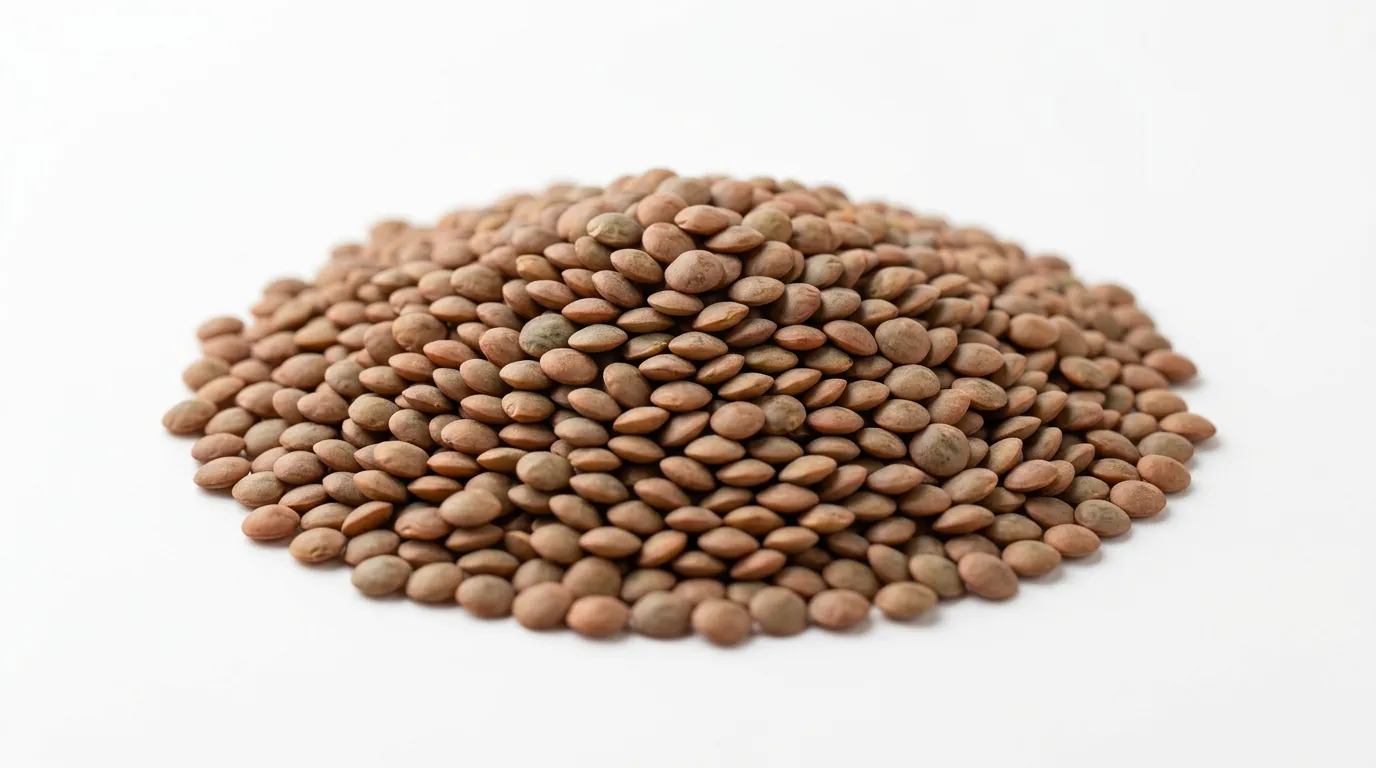
Les lentilles corail sont de petites légumineuses décortiquées et fendues qui cuisent rapidement jusqu’à obtenir une texture tendre et facile à écraser, ce qui en fait un aliment très adapté aux bébés dès le début de la diversification alimentaire. Leur saveur douce convient bien seule ou mélangée à des soupes, des bouillies, des purées de légumes et des galettes faciles à saisir. Elles sont particulièrement intéressantes pour les bébés et les jeunes enfants, car elles apportent des protéines végétales, du fer, des folates, des fibres et du potassium. Le fer soutient le développement du cerveau, les protéines favorisent la croissance, et les folates participent au bon développement cellulaire. Associer les lentilles corail à des aliments riches en vitamine C, comme la tomate, le poivron, les agrumes ou les fruits, peut aider l’organisme à mieux absorber leur fer. Les lentilles corail ne font pas partie des allergènes majeurs les plus courants, mais une allergie est possible. Certains enfants qui réagissent à d’autres légumineuses comme les pois chiches, les pois, les arachides ou d’autres lentilles peuvent aussi réagir aux lentilles corail. Servez-les toujours bien cuites, tendres et sous une forme adaptée à l’âge, car les lentilles sèches ou insuffisamment cuites ne sont pas sûres pour les bébés. La plupart des bébés peuvent commencer les lentilles corail dès 6 mois, à condition qu’elles soient cuites jusqu’à être très tendres et servies sous forme de purée épaisse, de purée lisse ou de préparation que l’enfant peut ramasser. À mesure que les compétences alimentaires progressent, vous pouvez proposer des préparations plus épaisses à base de lentilles, des galettes tendres, puis des lentilles intégrées aux repas familiaux comme les soupes, les ragoûts et les plats de riz.
Comment servir selon l'âge
Faites cuire les lentilles corail jusqu’à ce qu’elles soient très tendres, puis écrasez-les ou mixez-les en purée si nécessaire. Servez-les nature ou mélangez-les avec des purées de légumes, du yaourt ou des bouillies de céréales afin que bébé puisse les ramasser avec les mains ou avec une cuillère préchargée.
Proposez des lentilles cuites plus épaisses lorsque votre bébé gère mieux les textures. Vous pouvez aussi servir des galettes ou petits beignets tendres de lentilles, émiettés en petits morceaux faciles à manipuler pour l’alimentation autonome.
Intégrez les lentilles corail dans des plats composés comme des soupes, currys, ragoûts et bols de céréales. Proposez des couverts pour s’exercer, tout en vous attendant à ce que l’enfant mange encore aussi avec les mains.
Les tout-petits peuvent apprécier les lentilles corail dans une grande variété de repas familiaux. Continuez à les servir bien tendres et encouragez la mastication, l’utilisation des couverts, et les repas assis sous surveillance.
Se marie bien avec
Sécurité et allergènes
Les lentilles corail bien cuites présentent un faible risque d’étouffement, car elles deviennent tendres et s’écrasent facilement. Faites-les cuire jusqu’à ce qu’elles soient très fondantes et servez-les sous forme de purée, de purée épaisse, de préparation que l’enfant peut ramasser, ou en galettes tendres émiettées en petits morceaux. Ne servez pas de lentilles sèches, dures ou insuffisamment cuites.
À surveiller
Liste de sécurité
Conservation et durée
Conservez les lentilles corail cuites dans un récipient hermétique au réfrigérateur pendant 3 à 5 jours.
Congelez les lentilles corail cuites, la purée ou les galettes à base de lentilles dans un récipient hermétique pendant jusqu’à 3 mois. Décongelez-les au réfrigérateur avant de servir.
Nutrition
- Apporte des protéines végétales pour la croissance
- Contient du fer pour soutenir le développement du cerveau
- Riche en folates pour une croissance cellulaire saine
- Apporte des fibres pour favoriser la digestion
- Fournit du potassium pour le fonctionnement des muscles et des nerfs
- Le fer des aliments d’origine végétale est moins bien absorbé que le fer de la viande
- Peut provoquer des gaz chez certains enfants lorsqu’il est introduit en grande quantité
- N’est pas une source significative de vitamine C
- Nécessite une cuisson complète avant d’être servi
Nutriments clés
Valeurs nutritionnelles
| Calories | 358kcal |
|---|---|
| Protéines | 23.9g |
| Glucides | 63.1g |
| Lipides | 2.2g |
| Fibres | 10.8g |
| Fer | 7.4mg |
| Calcium | 48.0mg |
| Potassium | 668mg |
| Vitamine C | 2mg |
| Vitamine A | 3.0µg |
| Folate | 204µg |
| Zinc | 3.60mg |
per 100 g
De saison
Questions fréquentes
Quand les bébés peuvent-ils manger Lentilles corail ?
Lentilles corail présente-t-il un risque d'étouffement ?
Lentilles corail est-il un allergène courant ?
Plus de premiers aliments

Suivez Lentilles corail — et tout ce que mange votre bébé
Enregistrez les repas et les réactions, recevez des alertes allergènes et suivez le parcours alimentaire de votre bébé d'un coup d'œil dans l'application Alimoo.


Sources