
About Pork
Pork is a protein-rich meat that can be a nourishing option for babies once they are ready for solids. It offers savory flavor, can be prepared in several baby-friendly textures, and is especially useful for families who want to include animal-source iron and zinc in early meals. Pork provides high-quality protein for growth, along with important nutrients like iron and zinc. These nutrients support blood health, immune function, and overall development. Pork also contains potassium and B vitamins, including thiamin and vitamin B12, which help support energy metabolism and the nervous system. Pork is not a common allergen, but allergic reactions can happen. Rare concerns include delayed alpha-gal allergy after certain tick bites and pork-cat syndrome in some people with cat allergy. From a feeding safety perspective, pork can be a choking risk if it is dry, tough, or served in large chunks, so texture and cutting style matter. Most babies can start pork from 6 months old if it is cooked thoroughly and served in a safe shape, such as a large soft strip, shredded meat, or moist ground pork. As chewing skills improve, you can progress to finely shredded pieces, soft meatballs, and small bite-sized pieces. Avoid dry cubes, tough chops, and processed high-sodium pork products for young babies.
How to serve by age
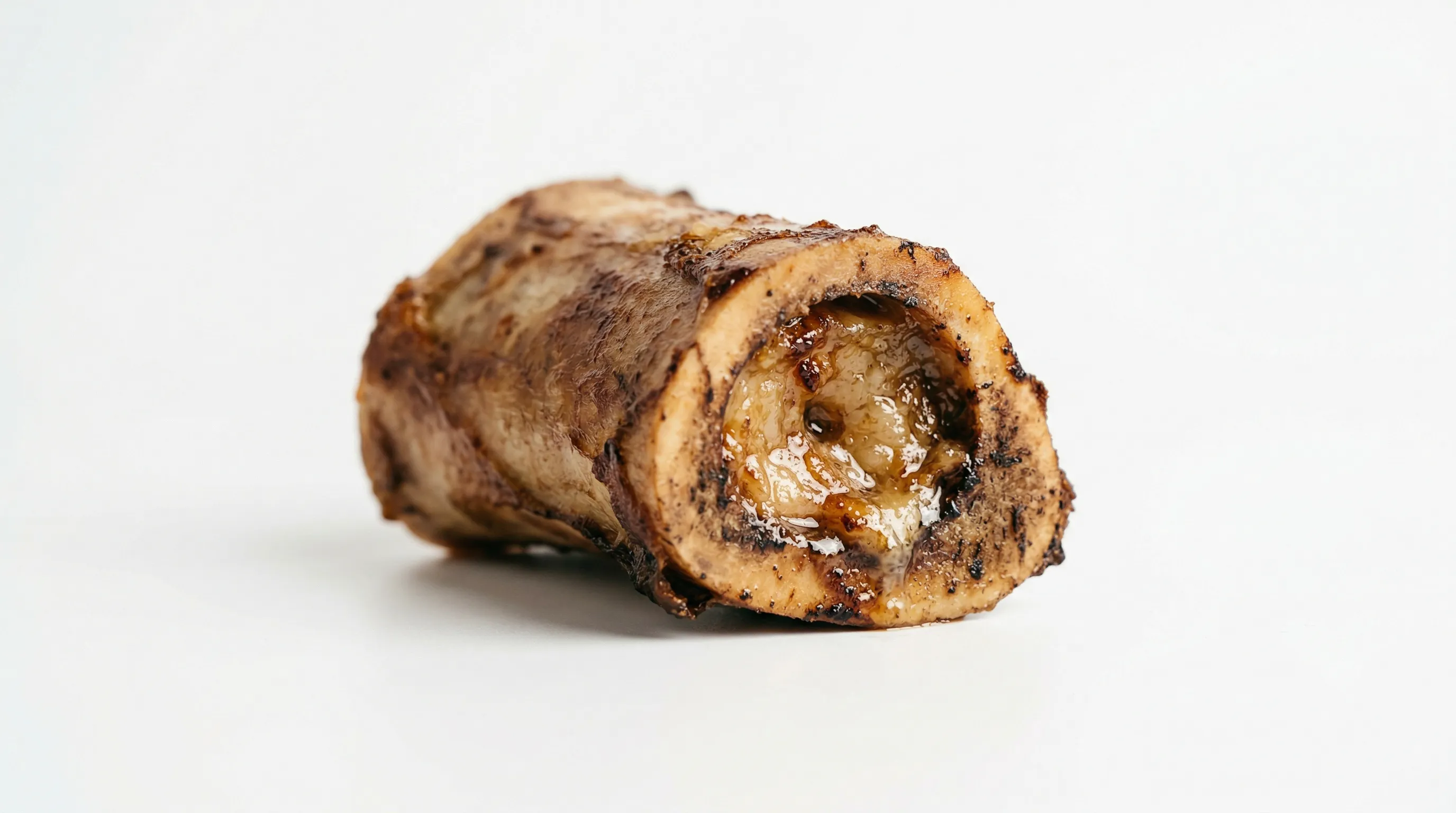
Offer a large, tender strip of well-cooked pork that baby can grasp, or a pork chop bone with most of the meat cut away if the bone is not brittle and all loose fragments are removed. Meat should be moist and easy to gnaw, not dry or chewy.
Serve finely shredded, moist pork or soft pieces of ground pork once your baby is developing a pincer grasp. You can also offer soft meatballs or meatloaf made with ground pork, broken into manageable pieces.
Offer small, tender bite-sized pieces of pork, shredded pork, or soft meatballs and meatloaf. Continue to avoid dry, tough cuts and processed pork products that are high in sodium.
Toddlers can have tender chopped pork as part of family meals, as long as pieces are easy to chew and free of bone, cartilage, and tough fat. Continue close supervision and encourage small bites.
Pairs well with
Safety & allergens
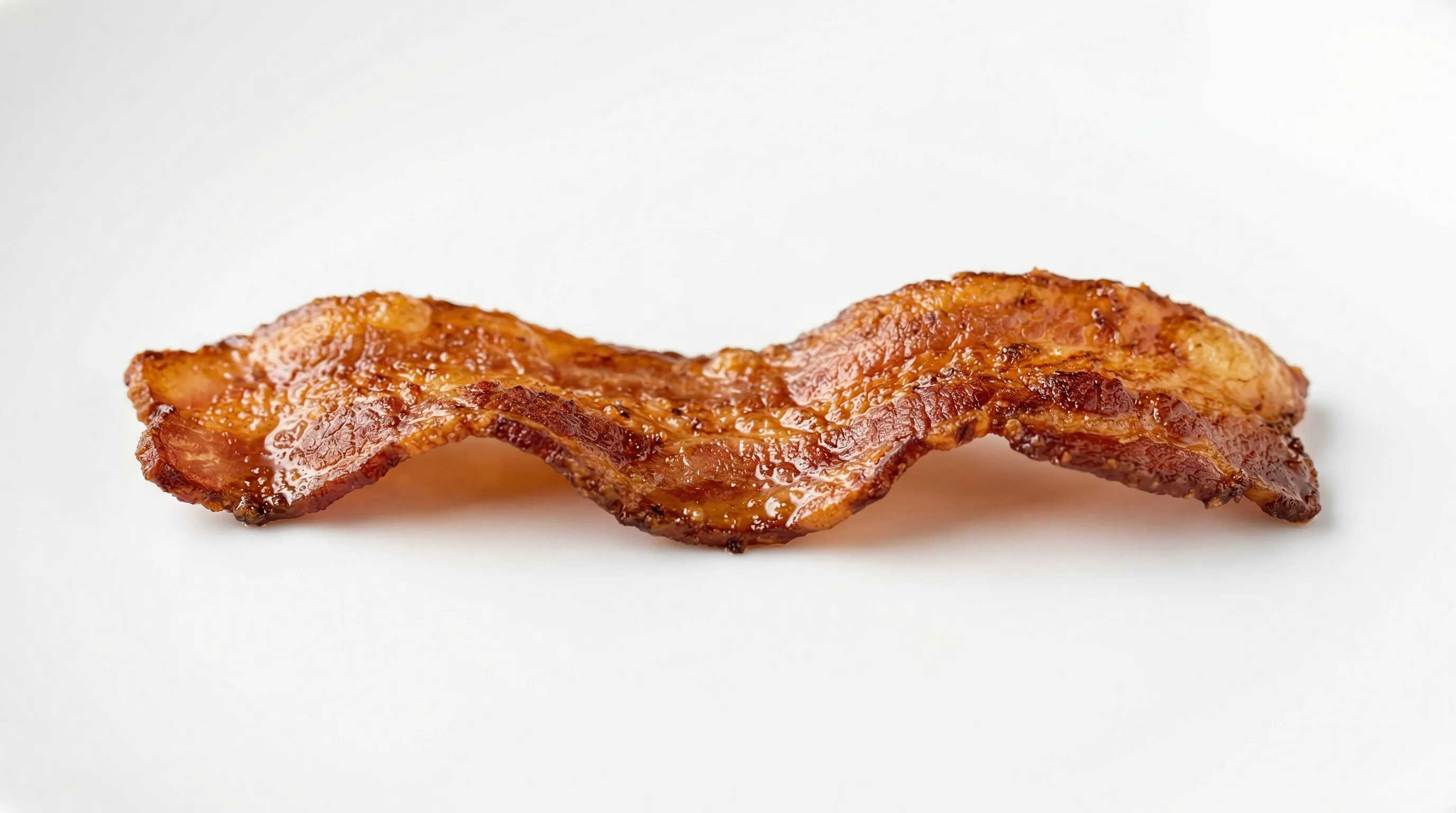
Pork can be difficult for babies to chew if it is dry, firm, or served in chunks. Offer pork only when fully cooked and moist, in large soft strips for beginners or finely shredded pieces for older babies. Avoid cubes, tough pieces, crispy bacon, sausage coins, and any pieces with bone, gristle, or cartilage.
What to watch for
Safety checklist
Storage & shelf life
Refrigerate cooked pork in an airtight container and use within 3-4 days.
Freeze cooked pork in an airtight container for up to 2-3 months. Thaw in the refrigerator before reheating and serving.
Nutrition
- Provides high-quality protein for growth
- Contains iron to support healthy blood development
- Offers zinc for immune function and growth
- Supplies B vitamins that help support energy metabolism
- Contains no fiber
- Can be high in saturated fat depending on the cut
- Processed pork products are often high in sodium
- Dry or tough pork can be hard for babies to chew safely
Key nutrients
Nutrition facts
| Calories | 171kcal |
|---|---|
| Protein | 19.1g |
| Fat | 10.5g |
| Iron | 1.1mg |
| Calcium | 19.0mg |
| Potassium | 47mg |
| Vitamin A | 23.0µg |
| Folate | 1µg |
| Zinc | 2.38mg |
per 100 g
In season
Common questions
When can babies eat Pork?
Is Pork a choking hazard?
Is Pork a common allergen?
More first foods

Track Pork and everything your baby eats
Log meals and reactions, get allergen alerts, and see your baby's food journey at a glance in the Alimoo app.


Backed by