
About Olive Oil
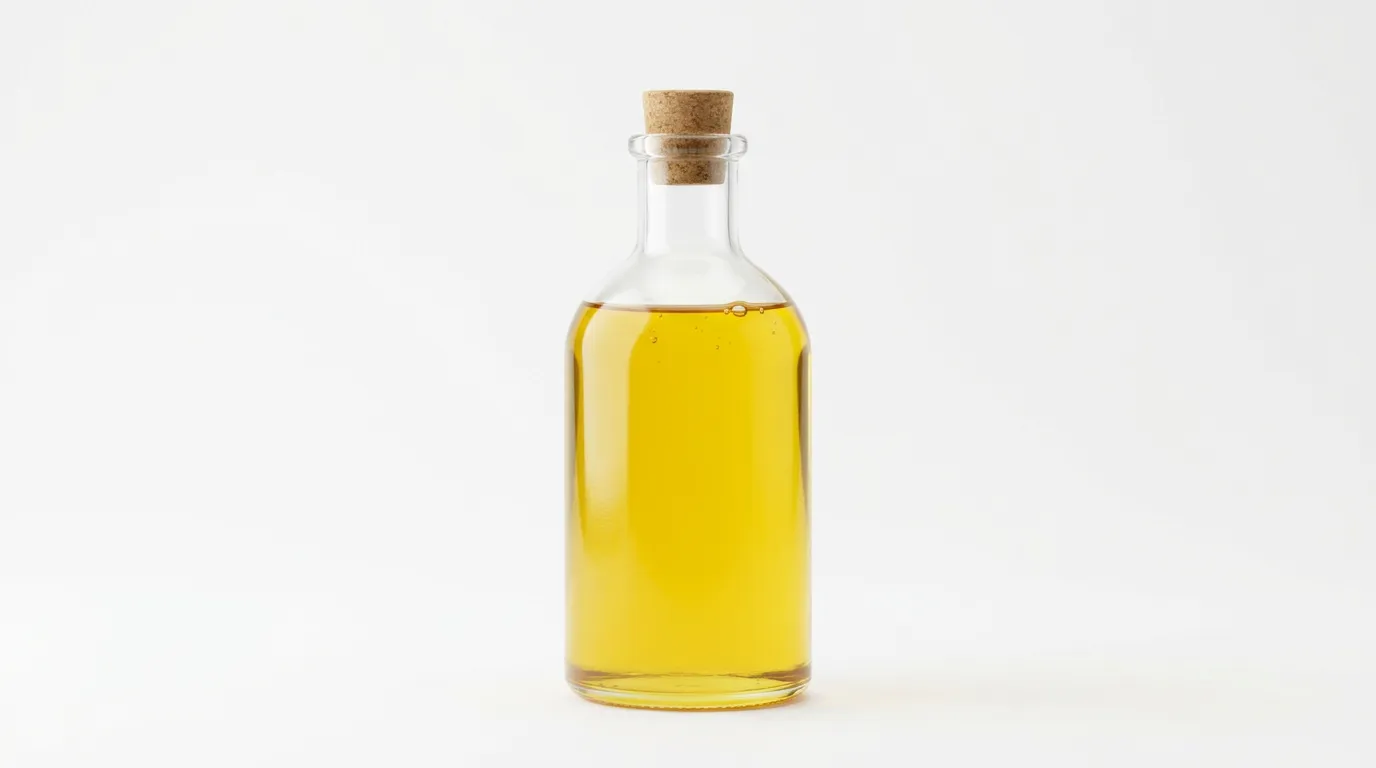
Olive oil is a plant oil pressed from olives and is commonly used in cooking, roasting, and dressings. For babies and toddlers, it can be a simple way to add flavor, moisture, and energy to foods like vegetables, beans, pasta, grains, and meats. It is especially valued for its unsaturated fats, including monounsaturated fat, which helps provide concentrated energy for growing children. Olive oil also contains vitamin E and natural antioxidant compounds. While it is not a major source of iron, protein, or fiber, it can make other nutritious foods easier to eat and more satisfying. Olive oil is not a common allergen, and true allergy is rare. Still, any food can cause a reaction in some children. Be especially careful with flavored oils or blended oil products, which may contain other allergens such as sesame, nut oils, or dairy-based flavorings. Most babies can have olive oil from 6 months old in small amounts mixed into foods or used in cooking. Start with a light drizzle stirred into purées, mashed foods, or soft finger foods. As your child grows, you can continue using it in family meals, dips, and dressings, while keeping portions moderate since oil is very calorie-dense.
How to serve by age
Stir a small drizzle of olive oil into vegetable purées, mashed beans, lentils, potatoes, or soft cooked grains. You can also use it in cooking to soften foods and add flavor.
Use a small amount on soft vegetables, pasta, shredded meats, or grain dishes. Avoid coating foods so heavily that they become hard to pick up or overly slippery.
Continue using olive oil in cooking, hummus, bean dips, or simple dressings for salads, grains, and vegetables. Keep portions moderate and pair with nutrient-rich foods rather than using oil as a food on its own.
Pairs well with
Safety & allergens
Olive oil itself is not a choking hazard, but it should be served mixed into foods or lightly drizzled over age-appropriate textures rather than offered in spoonfuls to drink. Avoid making foods overly slippery, which can make self-feeding harder for babies.
What to watch for
Safety checklist
Storage & shelf life
Store olive oil tightly closed in a cool, dark place away from heat and sunlight. For best quality, use within several months of opening and follow the bottle's best-by date.
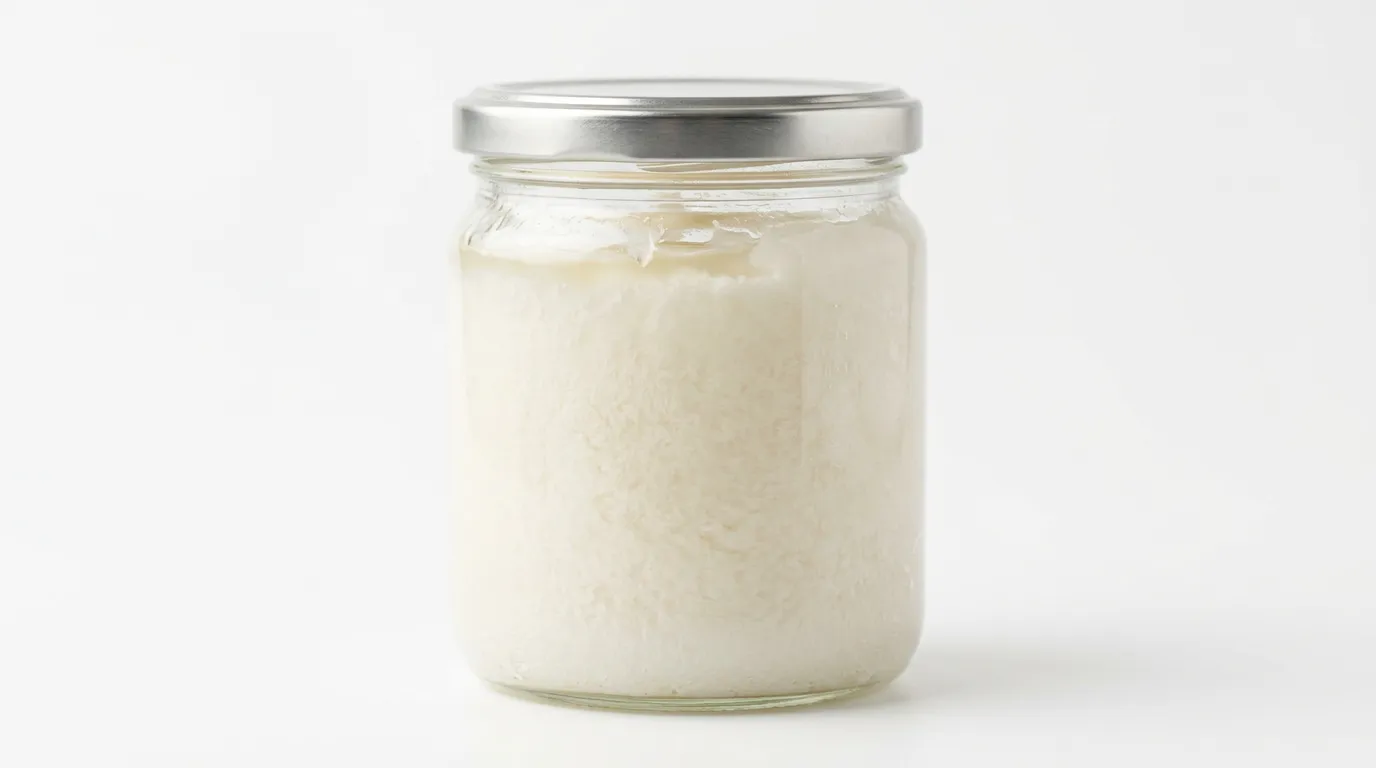
Freezing is not usually recommended for routine storage. Cold temperatures can make olive oil cloudy or partially solid, but this is a quality issue rather than a safety concern.
Nutrition
- Provides concentrated energy for growing babies and toddlers
- Rich in mostly unsaturated fats
- Contains vitamin E with antioxidant benefits
- Can improve flavor and texture of vegetables, grains, and proteins
- Very calorie-dense, so a little goes a long way
- Provides almost no protein or fiber
- Not a meaningful source of iron for babies
- Should complement nutrient-rich foods rather than replace them
Key nutrients
Nutrition facts
| Calories | 884kcal |
|---|---|
| Fat | 100.0g |
| Iron | 0.1mg |
| Zinc | 0.02mg |
per 100 g
In season
Common questions
When can babies eat Olive Oil?
Is Olive Oil a choking hazard?
Is Olive Oil a common allergen?
More first foods


Track Olive Oil and everything your baby eats
Log meals and reactions, get allergen alerts, and see your baby's food journey at a glance in the Alimoo app.


Backed by