
À propos de Millet
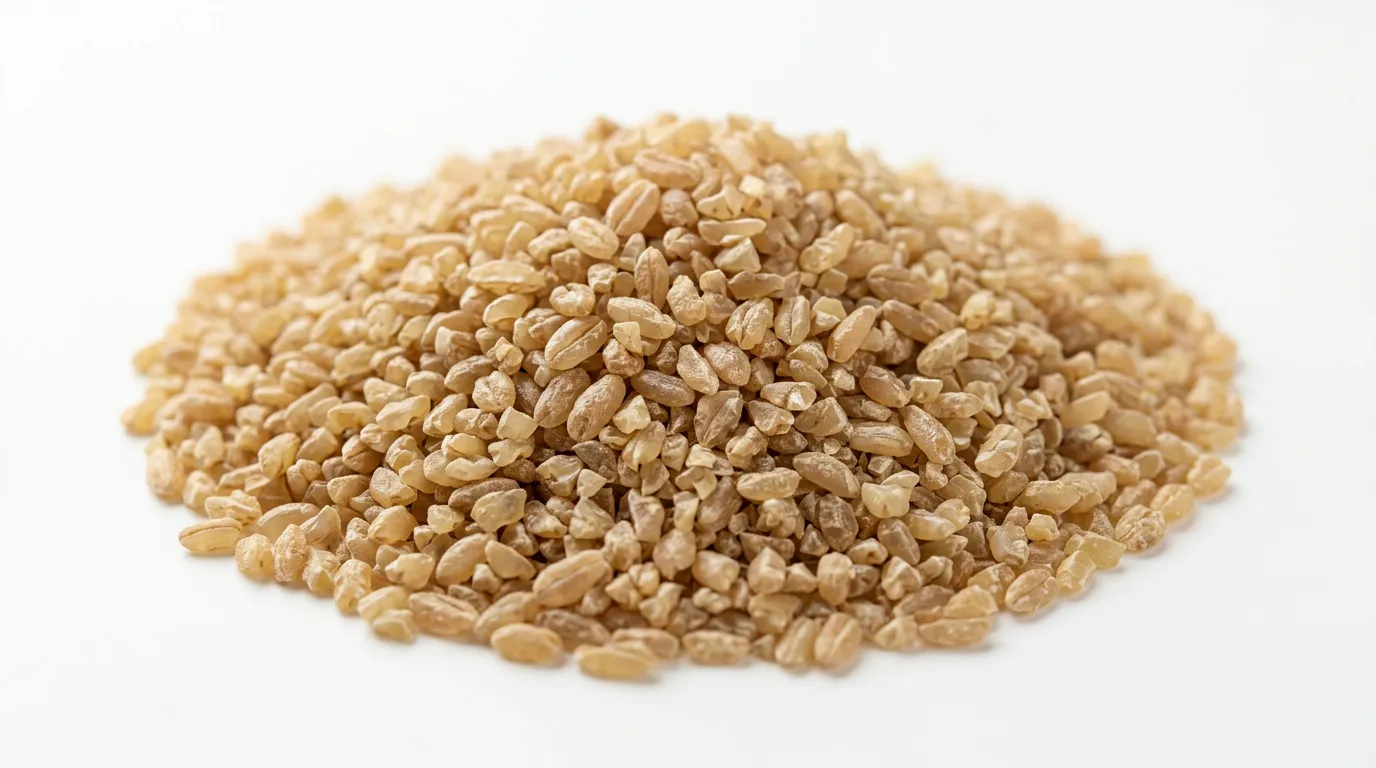
Le millet est une petite céréale naturellement sans gluten qui cuit en bouillie onctueuse ou en plat de céréales léger selon la quantité de liquide utilisée. Pour les bébés, il convient particulièrement bien lorsqu’il est préparé de façon humide et fondante, ce qui le rend facile à prélever, à écraser ou à mélanger à d’autres aliments. Il apporte des glucides pour l’énergie et contient des minéraux importants comme le fer et le zinc, ainsi qu’un peu de folates et de fibres. Le millet peut être une céréale intéressante à intégrer en rotation dans l’alimentation de votre bébé, surtout lorsqu’il est associé à des aliments riches en vitamine C ou en protéines pour composer des repas équilibrés. Le millet n’est pas un allergène courant, et la plupart des bébés le tolèrent bien. Les réactions allergiques sont rares, mais elles peuvent survenir. Certains enfants allergiques au riz peuvent aussi réagir au millet ; introduisez-le donc avec prudence si votre enfant a une allergie connue aux céréales. La plupart des bébés peuvent commencer le millet dès 6 mois sous forme de bouillie lisse ou épaisse, ou mélangé à des aliments écrasés. À mesure que les compétences alimentaires progressent, vous pouvez proposer un millet plus épais à la cuillère, de petits amas tendres, des galettes, ou du millet incorporé à des ragoûts et aux repas familiaux. Évitez de le servir sec ou en grains séparés, car les grains épars peuvent être plus difficiles à gérer pour les jeunes bébés.
Comment servir selon l'âge
Faites cuire le millet avec davantage de liquide jusqu’à ce qu’il soit très tendre, puis servez-le en bouillie lisse ou épaisse. Vous pouvez aussi incorporer le millet cuit à des légumes écrasés, des fruits ou du yaourt afin que les grains soient plus faciles à gérer pour bébé.
Lorsque votre bébé développe un meilleur contrôle oral, proposez un millet cuit plus épais qui se tient sur la cuillère, ou mélangez-le à des aliments tendres comme des lentilles, des haricots écrasés ou une purée de légumes. Gardez une texture humide plutôt que sèche et aérée.
Servez le millet en galettes tendres, mélangé à des ragoûts, ou avec des repas familiaux en sauce. C’est aussi un bon âge pour laisser les tout-petits s’exercer à prendre le millet à la cuillère, car les grains séparés peuvent être difficiles à maîtriser au début.
Les tout-petits peuvent manger du millet en pilafs, gratins, bouillies et bols de céréales tant qu’il est cuit jusqu’à être tendre et servi avec suffisamment d’humidité. Continuez à éviter les préparations très sèches, plus difficiles à rassembler et à mâcher.
Se marie bien avec
Sécurité et allergènes
Le millet présente un faible risque s’il est bien cuit et servi humide. Pour les plus jeunes bébés, proposez-le sous forme de bouillie ou mélangé à des aliments écrasés afin que les grains collent entre eux. Évitez les grains cuits secs et séparés ou les amas fermes qui peuvent se disperser dans la bouche et être difficiles à gérer.
À surveiller
Liste de sécurité
Conservation et durée
Conservez le millet cuit dans un récipient hermétique au réfrigérateur pendant 3 à 5 jours. Réchauffez-le avec un peu d’eau, de lait ou de bouillon pour retrouver une texture souple avant de le servir.
Congelez le millet cuit ou la bouillie de millet en petites portions pendant jusqu’à 3 mois. Décongelez au réfrigérateur puis réchauffez jusqu’à ce que ce soit bien chaud et tendre avant de servir.
Nutrition
- Apporte des glucides pour l’énergie
- Contient du fer pour soutenir une croissance et un développement sains
- Apporte du zinc pour le fonctionnement du système immunitaire et la croissance cellulaire
- Naturellement sans gluten
- N’est pas une source importante de vitamine C
- Contient moins de matières grasses que ce dont les bébés ont besoin dans un repas ; à associer à des aliments riches en graisses
- Le fer des céréales est mieux absorbé lorsqu’il est servi avec des aliments riches en vitamine C
Nutriments clés
Valeurs nutritionnelles
| Calories | 382kcal |
|---|---|
| Protéines | 10.8g |
| Glucides | 75.1g |
| Lipides | 4.3g |
| Fibres | 3.5g |
| Sucres | 1.7g |
| Fer | 3.9mg |
| Calcium | 14.0mg |
| Potassium | 224mg |
| Folate | 42µg |
| Zinc | 2.63mg |
per 100 g
De saison
Questions fréquentes
Quand les bébés peuvent-ils manger Millet ?
Millet présente-t-il un risque d'étouffement ?
Millet est-il un allergène courant ?
Plus de premiers aliments

Suivez Millet — et tout ce que mange votre bébé
Enregistrez les repas et les réactions, recevez des alertes allergènes et suivez le parcours alimentaire de votre bébé d'un coup d'œil dans l'application Alimoo.


Sources