
À propos de Freekeh
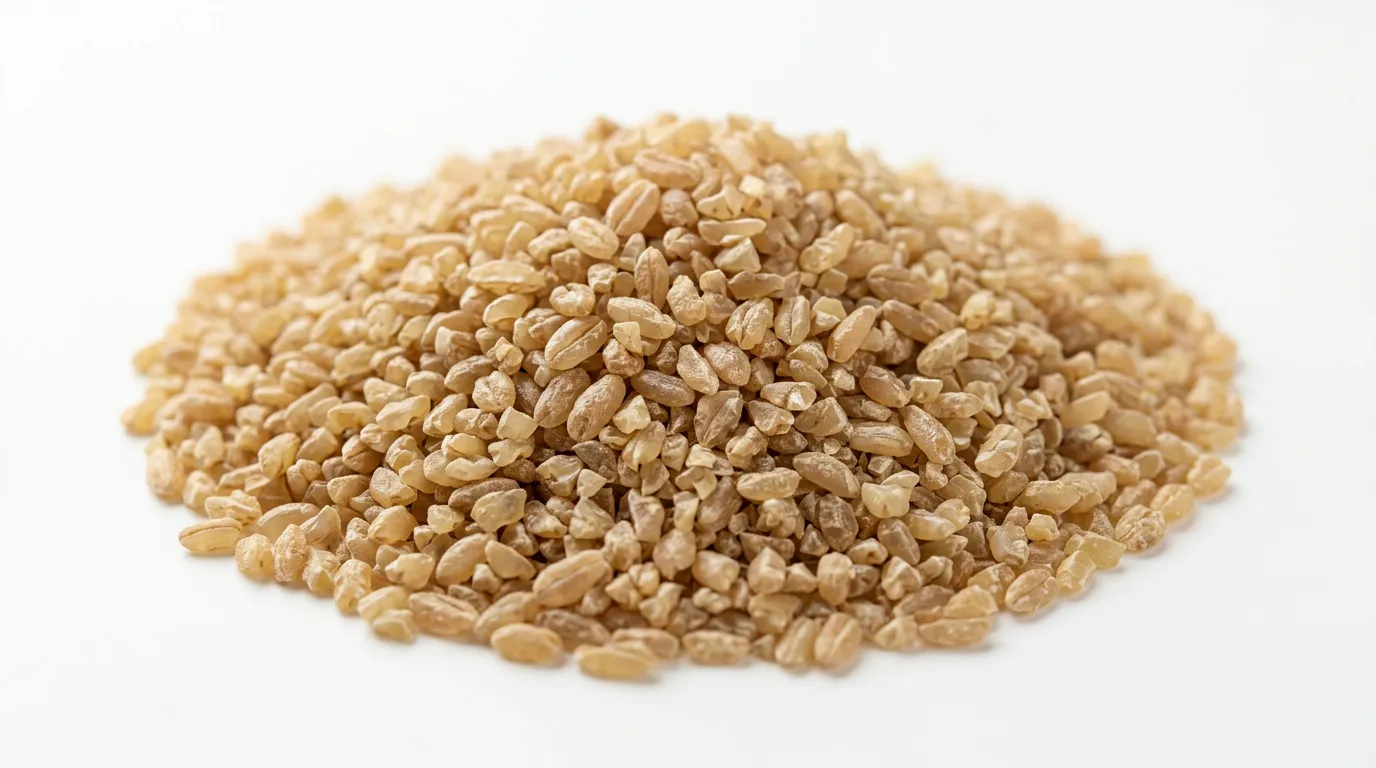
Le freekeh est un jeune blé grillé utilisé dans les cuisines du Moyen-Orient et de la Méditerranée. Une fois cuit, il a une texture légèrement mâcheuse et une saveur de noisette. Pour les bébés et les jeunes enfants, le freekeh peut apporter de la variété aux repas et est souvent servi mélangé à des aliments plus tendres comme le yaourt, des légumes écrasés ou des ragoûts afin d’être plus facile et plus sûr à manger. Le freekeh apporte des glucides complexes pour l’énergie, des fibres pour soutenir la digestion, ainsi que des minéraux utiles, notamment le fer et le zinc. Il contient aussi des folates, qui contribuent à la croissance et au développement. Comme il s’agit d’une céréale, le freekeh peut faire partie de repas équilibrés, surtout lorsqu’il est associé à des aliments riches en vitamine C pour favoriser l’absorption du fer. Le freekeh est du blé ; c’est donc un allergène courant et il contient du gluten. Il ne convient pas aux enfants ayant une allergie au blé, une maladie cœliaque ou un trouble lié au gluten diagnostiqué médicalement. De plus, les grains individuels peuvent présenter un risque d’étouffement chez les plus jeunes bébés s’ils sont servis seuls, secs ou insuffisamment cuits. La plupart des bébés peuvent commencer à manger du freekeh dès 6 mois s’il est cuit jusqu’à devenir très tendre et servi d’une manière qui réduit le risque d’étouffement, par exemple incorporé dans une purée ou une préparation épaisse à la cuillère. À mesure que votre enfant grandit et que ses compétences de mastication s’améliorent, vous pouvez proposer du freekeh bien cuit et tendre dans des bouillies plus épaisses, des bols de céréales, des soupes et des plats mélangés. Évitez de servir de jeunes bébés des grains secs ou fermes servis seuls.
Comment servir selon l'âge
Faites cuire le freekeh jusqu’à ce qu’il soit très tendre. Pour les débutants, incorporez-en une petite quantité à des légumes écrasés, du yaourt ou un mélange épais de type purée afin que les grains soient plus faciles à gérer et moins susceptibles de se disperser librement dans la bouche.
Proposez du freekeh bien cuit dans une bouillie épaisse, mélangé à des haricots, des lentilles ou des légumes tendres. Si les grains semblent encore mâcheux, écrasez-les ou aplatissez-les légèrement avant de servir.
Servez le freekeh dans des repas composés avec des légumes tendres, de la viande effilochée ou des légumineuses. Gardez des textures humides et faciles à rassembler à la cuillère, et évitez les tas de grains secs.
Les tout-petits peuvent généralement manger du freekeh tendre dans le cadre des repas familiaux, y compris des pilafs et des soupes, à condition qu’il soit bien cuit et ni trop sec ni trop mâcheux.
Se marie bien avec
Sécurité et allergènes
Les grains de freekeh cuits servis séparément peuvent être difficiles à gérer pour les jeunes bébés et peuvent augmenter le risque d’étouffement s’ils sont servis secs, fermes ou seuls à la cuillère. Faites cuire jusqu’à ce qu’ils soient très tendres, écrasez-les légèrement si nécessaire, et mélangez-les à des aliments que l’enfant peut prendre à la cuillère comme le yaourt, des légumes écrasés ou des ragoûts épais. Évitez les grains insuffisamment cuits, secs ou agglomérés en bouchées, et surveillez toujours l’enfant de près.
À surveiller
Liste de sécurité
Conservation et durée
Conservez le freekeh cuit dans un récipient hermétique au réfrigérateur pendant 3 à 5 jours.
Congelez le freekeh cuit dans un récipient hermétique ou en petites portions pendant jusqu’à 3 mois. Décongelez-le au réfrigérateur et réchauffez-le jusqu’à ce qu’il soit bien fumant, puis laissez-le refroidir avant de le servir.
Nutrition
- Apporte des glucides complexes pour une énergie durable
- Contient des fibres pour favoriser une digestion saine
- Apporte du fer et du zinc pour la croissance et le développement
- Fournit des folates pour soutenir la croissance cellulaire
- Contient du blé et du gluten
- Peut être mâcheux et plus difficile à gérer pour les jeunes bébés
- N’est pas une source majeure de vitamine C ni de vitamine A
Nutriments clés
Valeurs nutritionnelles
| Calories | 100kcal |
|---|---|
| Protéines | 4.4g |
| Glucides | 20.9g |
| Lipides | 0.8g |
| Fibres | 4.5g |
| Sucres | 0.4g |
| Fer | 1.8mg |
| Calcium | 17.0mg |
| Potassium | 165mg |
| Folate | 19µg |
| Zinc | 1.20mg |
per 100 g
De saison
Questions fréquentes
Quand les bébés peuvent-ils manger Freekeh ?
Freekeh présente-t-il un risque d'étouffement ?
Freekeh est-il un allergène courant ?
Plus de premiers aliments

Suivez Freekeh — et tout ce que mange votre bébé
Enregistrez les repas et les réactions, recevez des alertes allergènes et suivez le parcours alimentaire de votre bébé d'un coup d'œil dans l'application Alimoo.


Sources