
À propos de Petit épeautre
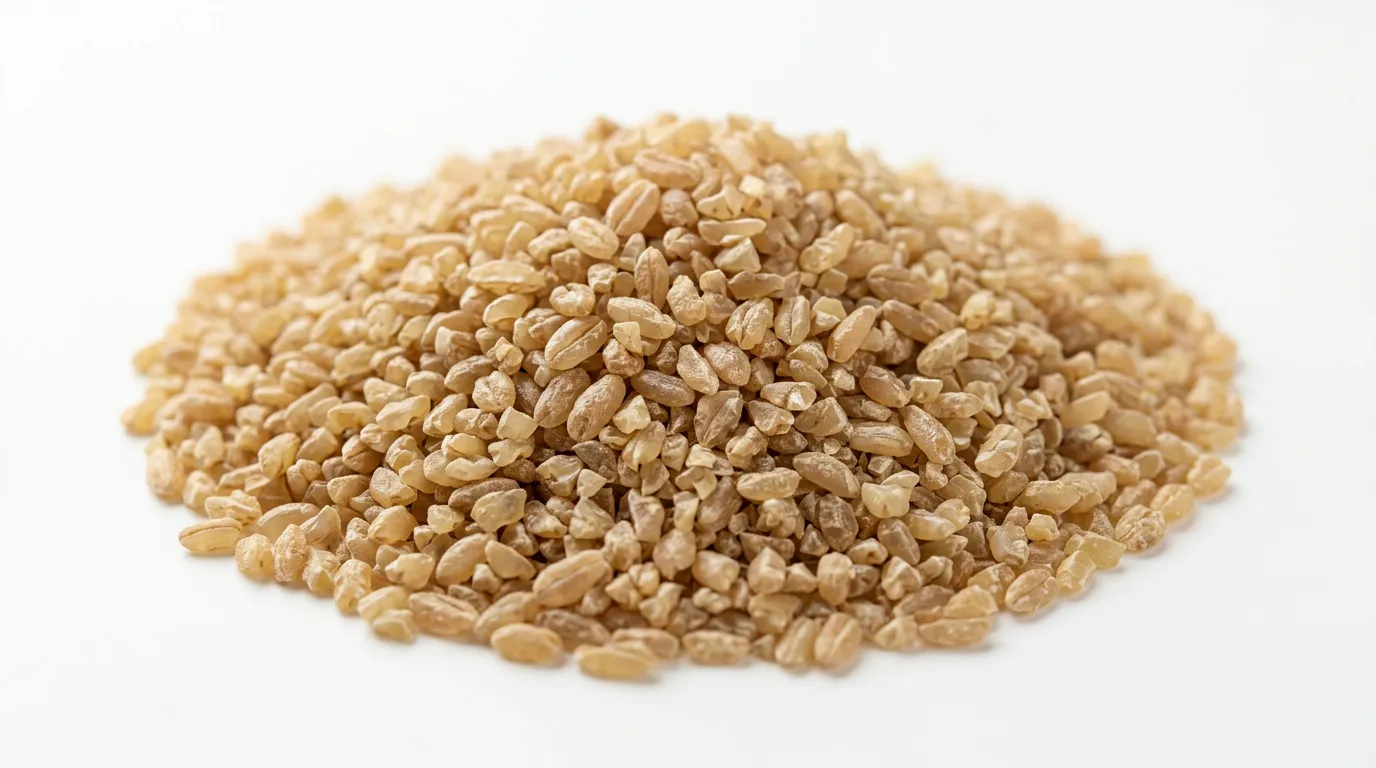
Le petit épeautre est une variété ancienne de blé au goût doux et légèrement noisetté. Il peut être proposé aux bébés sous forme de bouillie lisse, mélangé à de petites galettes moelleuses, ou utilisé dans des aliments comme des crêpes, des pâtes ou du pain lorsque l’enfant grandit. Lorsqu’il est bien préparé, c’est une céréale intéressante pour varier les repas de votre bébé. Il apporte des glucides pour l’énergie et contient des fibres qui soutiennent la digestion. Le petit épeautre fournit aussi du fer, qui contribue à une croissance saine et à la formation du sang, ainsi que des folates et de petites quantités de minéraux comme le zinc et le potassium. Comme les céréales ne sont généralement pas riches en vitamine C, l’associer à des fruits ou des légumes peut aider à améliorer l’absorption du fer. Le petit épeautre est un blé et contient du gluten, il est donc considéré comme un allergène courant. Il ne convient pas aux enfants ayant une allergie au blé, une maladie cœliaque ou une sensibilité au gluten non cœliaque, sauf avis d’un professionnel de santé. Les grains entiers cuits peuvent aussi être difficiles à gérer pour les jeunes bébés ; il est donc préférable de servir le petit épeautre sous des formes tendres, humides et adaptées à l’âge, plutôt que sous forme de grains secs ou détachés. La plupart des bébés peuvent commencer le petit épeautre dès 6 mois s’il est bien cuit et servi en bouillie ou mélangé à des aliments mous. À mesure que les compétences orales progressent, vous pouvez proposer des galettes moelleuses, des crêpes ou des pâtes tendres à base de petit épeautre. Pour les tout-petits, le petit épeautre peut faire partie des repas familiaux, par exemple dans des soupes, des bols de céréales ou sur des tartines, toujours dans une texture que votre enfant peut gérer en toute sécurité.
Comment servir selon l'âge
Faites très bien cuire le petit épeautre et servez-le sous forme de bouillie souple, allongée si besoin avec de l’eau, du lait maternel, du lait infantile ou du yaourt nature s’il a déjà été introduit.
Une fois que votre bébé gère des textures plus épaisses et développe la pince pouce-index, proposez une bouillie de petit épeautre plus épaisse, des beignets ou galettes moelleux qui se défont facilement, ou des pâtes au petit épeautre très tendres coupées en morceaux faciles à prendre.
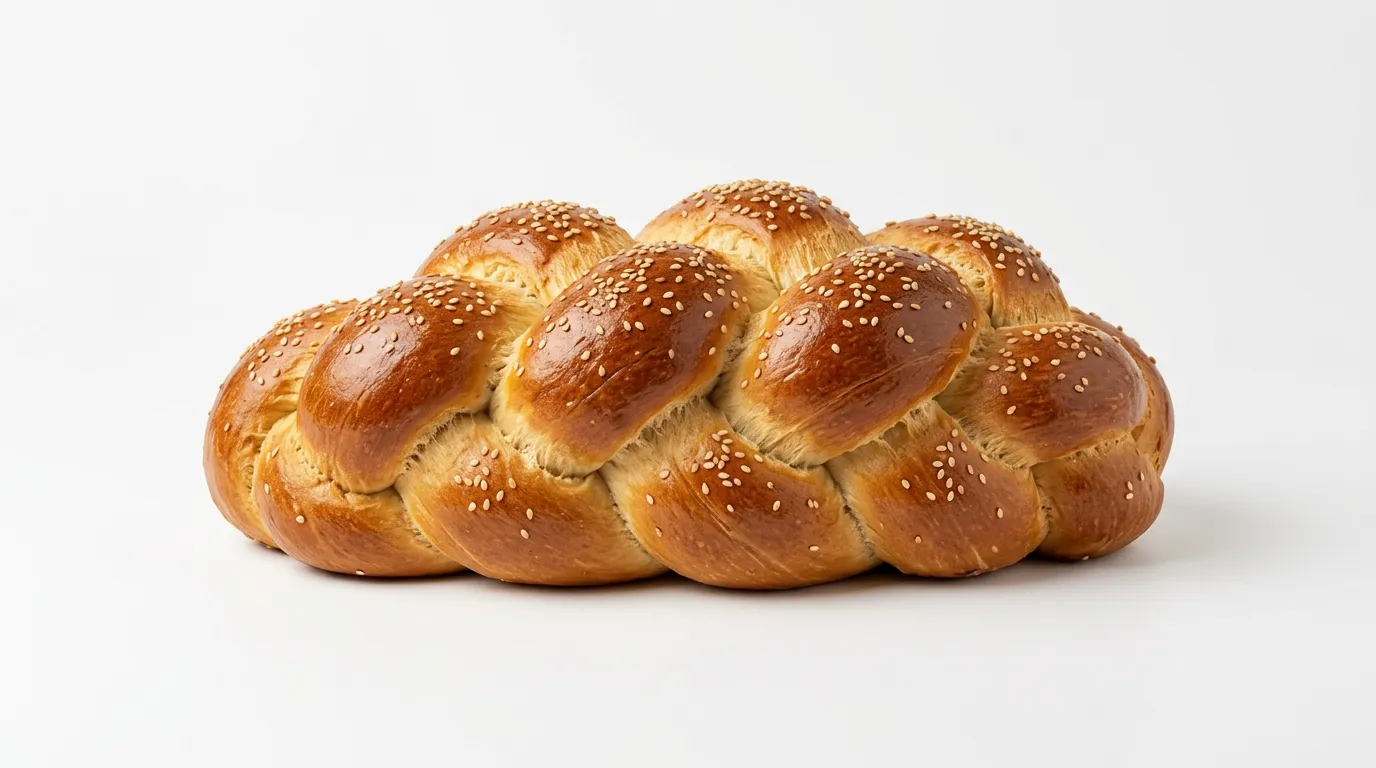
Servez le petit épeautre bien cuit dans des soupes, ragoûts ou bols de céréales, mélangé à une sauce ou à des légumes tendres. Vous pouvez aussi proposer de petits morceaux de pain, de crêpes ou de muffins moelleux au petit épeautre, en évitant les textures sèches ou croûtées.
Les tout-petits peuvent apprécier le petit épeautre dans les repas familiaux, comme des tartines, des crêpes, des pâtes ou des salades de céréales moelleuses. Continuez à servir ces aliments avec suffisamment d’humidité et coupés en tailles que votre enfant peut mâcher sans risque.
Se marie bien avec
Sécurité et allergènes
Faites cuire le petit épeautre jusqu’à ce qu’il soit très tendre et humide. Pour les plus jeunes bébés, servez-le en bouillie ou mélangé à des aliments que l’on peut prendre à la cuillère. Évitez les grains secs, détachés ou insuffisamment cuits, et pour les bébés plus âgés, aplatissez les grains en galettes moelleuses ou mélangez-les avec du yaourt, des légumes ou une sauce. Restez toujours à proximité pendant les repas.
À surveiller
Liste de sécurité
Conservation et durée
Conservez les grains secs ou la farine de petit épeautre dans un endroit frais et sec, dans un récipient hermétique. Pour une qualité optimale, utilisez-les dans les quelques mois ; les produits complets se conservent plus longtemps au réfrigérateur.
Réfrigérez le petit épeautre cuit dans un récipient hermétique et utilisez-le dans les 3 à 4 jours. Congelez le petit épeautre cuit, la bouillie ou les crêpes à base de petit épeautre en portions hermétiques jusqu’à 3 mois.
Nutrition
- Apporte des glucides pour l’énergie
- Contient des fibres pour soutenir la digestion
- Apporte du fer pour la croissance et la santé du sang
- Fournit des folates et d’autres nutriments présents dans les céréales complètes
- Contient du blé et du gluten, un allergène courant
- N’est pas une source majeure de vitamine C
- Peut être difficile pour les débutants s’il est servi sous forme de grains détachés
- Les produits de boulangerie secs à base de petit épeautre peuvent être difficiles à gérer pour certains bébés
Nutriments clés
Valeurs nutritionnelles
| Protéines | 15.1g |
|---|---|
| Glucides | 68.7g |
| Lipides | 3.8g |
| Fibres | 8.9g |
| Fer | 3.7mg |
| Calcium | 41.4mg |
| Potassium | 432mg |
| Zinc | 5.23mg |
per 100 g
De saison
Questions fréquentes
Quand les bébés peuvent-ils manger Petit épeautre ?
Petit épeautre présente-t-il un risque d'étouffement ?
Petit épeautre est-il un allergène courant ?
Plus de premiers aliments

Suivez Petit épeautre — et tout ce que mange votre bébé
Enregistrez les repas et les réactions, recevez des alertes allergènes et suivez le parcours alimentaire de votre bébé d'un coup d'œil dans l'application Alimoo.


Sources