
À propos de Haricot borlotti
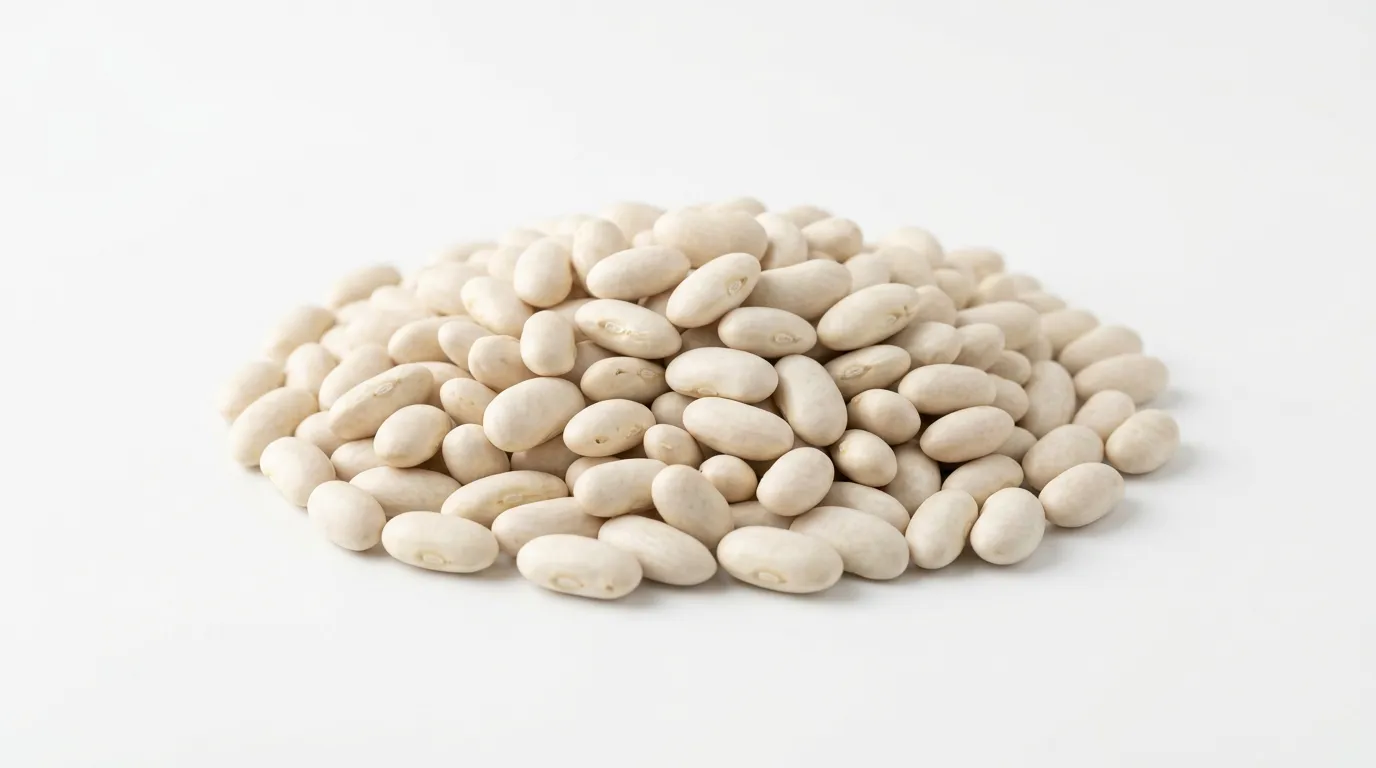
Les haricots borlotti sont une variété de haricots à écosser qui, une fois cuits, ont une texture crémeuse et une saveur douce légèrement noisettée. On les appelle aussi parfois haricots cranberry, et ils peuvent constituer un aliment nutritif pour les bébés lorsqu’ils sont préparés très fondants. Comme les haricots sont petits, ronds et fermes lorsqu’ils sont insuffisamment cuits, ils nécessitent une préparation soigneuse avant d’être servis aux nourrissons et aux tout-petits. Ces haricots apportent des protéines végétales, des fibres, du fer et des folates. Le fer contribue à la bonne santé du sang et au développement du cerveau, les folates soutiennent la croissance et le développement cellulaire, et les fibres peuvent favoriser la digestion. Les haricots borlotti apportent également du potassium et de petites quantités de zinc, ce qui en fait un aliment intéressant dans le cadre d’une alimentation variée, aux côtés d’aliments d’origine animale riches en fer ou de fruits et légumes riches en vitamine C. Le haricot borlotti n’est pas un allergène courant, mais c’est une légumineuse ; la prudence est donc raisonnable si votre enfant a une allergie connue à d’autres légumineuses comme l’arachide, le soja, la lentille ou le pois. Les réactions allergiques sont rares, mais elles peuvent survenir. Les haricots crus ou insuffisamment cuits ne doivent jamais être servis, et les haricots secs doivent être cuits soigneusement jusqu’à devenir très fondants. La plupart des bébés peuvent commencer à manger des haricots borlotti dès 6 mois sous forme d’écrasé lisse ou de purée allongée avec de l’eau, du lait maternel, du lait infantile ou de l’huile d’olive. À mesure que les capacités de mastication progressent, proposez des haricots bien cuits écrasés à la fourchette, puis des haricots aplatis un par un, et plus tard des haricots entiers bien tendres pour les bébés plus âgés et les tout-petits capables de les gérer en toute sécurité, assis et sous surveillance.
Comment servir selon l'âge
Faites cuire les haricots borlotti jusqu’à ce qu’ils soient très fondants, puis écrasez-les ou mixez-les avec de l’eau, du lait maternel, du lait infantile ou un peu d’huile d’olive jusqu’à obtention d’une texture lisse. Proposez à la cuillère ou préchargez une cuillère pour l’auto-alimentation.
Servez des haricots bien cuits écrasés à la fourchette ou aplatissez chaque haricot individuellement pour les bébés qui développent la pince fine. Évitez de servir des haricots entiers ronds s’ils ne s’écrasent pas facilement.
Proposez des haricots entiers très tendres ou des haricots grossièrement écrasés une fois que votre tout-petit mastique bien. Continuez à vérifier que les haricots sont bien tendres et surveillez-le de près pendant les repas.
Les haricots borlotti bien tendres peuvent être servis dans des soupes, des bols de céréales, des plats de pâtes ou des ragoûts. Gardez des portions adaptées et encouragez une alimentation lente en position assise.
Se marie bien avec
Sécurité et allergènes
Les haricots borlotti peuvent présenter un risque d’étouffement, car ils sont petits, ronds et peuvent rester fermes s’ils ne sont pas assez cuits. Pour les plus jeunes bébés, servez-les uniquement sous forme d’écrasé lisse ou de purée. Pour les bébés plus âgés, aplatissez chaque haricot bien cuit entre les doigts ou avec une fourchette avant de le servir. Ne proposez pas de haricots crus, secs ou fermes.
À surveiller
Liste de sécurité
Conservation et durée
Conservez les haricots borlotti cuits dans un récipient hermétique au réfrigérateur pendant 3 à 5 jours.
Congelez les haricots cuits ou la purée de haricots dans un récipient hermétique jusqu’à 3 mois. Décongelez au réfrigérateur avant de réchauffer et de servir.
Nutrition
- Apporte des protéines végétales pour la croissance
- Contient du fer pour soutenir la bonne formation du sang
- Riche en folates pour la croissance et le développement cellulaire
- Apporte des fibres pour favoriser la digestion
- Fournit du potassium pour la fonction musculaire et nerveuse
- Nécessite une cuisson complète avant d’être servi
- Le fer d’origine végétale est moins bien absorbé que le fer des aliments d’origine animale
- Peut provoquer des gaz chez certains enfants
- Les haricots entiers peuvent présenter un risque d’étouffement s’ils ne sont pas écrasés ou aplatis
Nutriments clés
Valeurs nutritionnelles
| Calories | 83kcal |
|---|---|
| Protéines | 5.5g |
| Glucides | 15.1g |
| Lipides | 0.3g |
| Fibres | 6.3g |
| Fer | 1.6mg |
| Calcium | 34.0mg |
| Potassium | 260mg |
| Vitamine C | 1mg |
| Folate | 77µg |
| Zinc | 0.84mg |
per 100 g
De saison
Questions fréquentes
Quand les bébés peuvent-ils manger Haricot borlotti ?
Haricot borlotti présente-t-il un risque d'étouffement ?
Haricot borlotti est-il un allergène courant ?
Plus de premiers aliments

Suivez Haricot borlotti — et tout ce que mange votre bébé
Enregistrez les repas et les réactions, recevez des alertes allergènes et suivez le parcours alimentaire de votre bébé d'un coup d'œil dans l'application Alimoo.


Sources