
À propos de Sardines
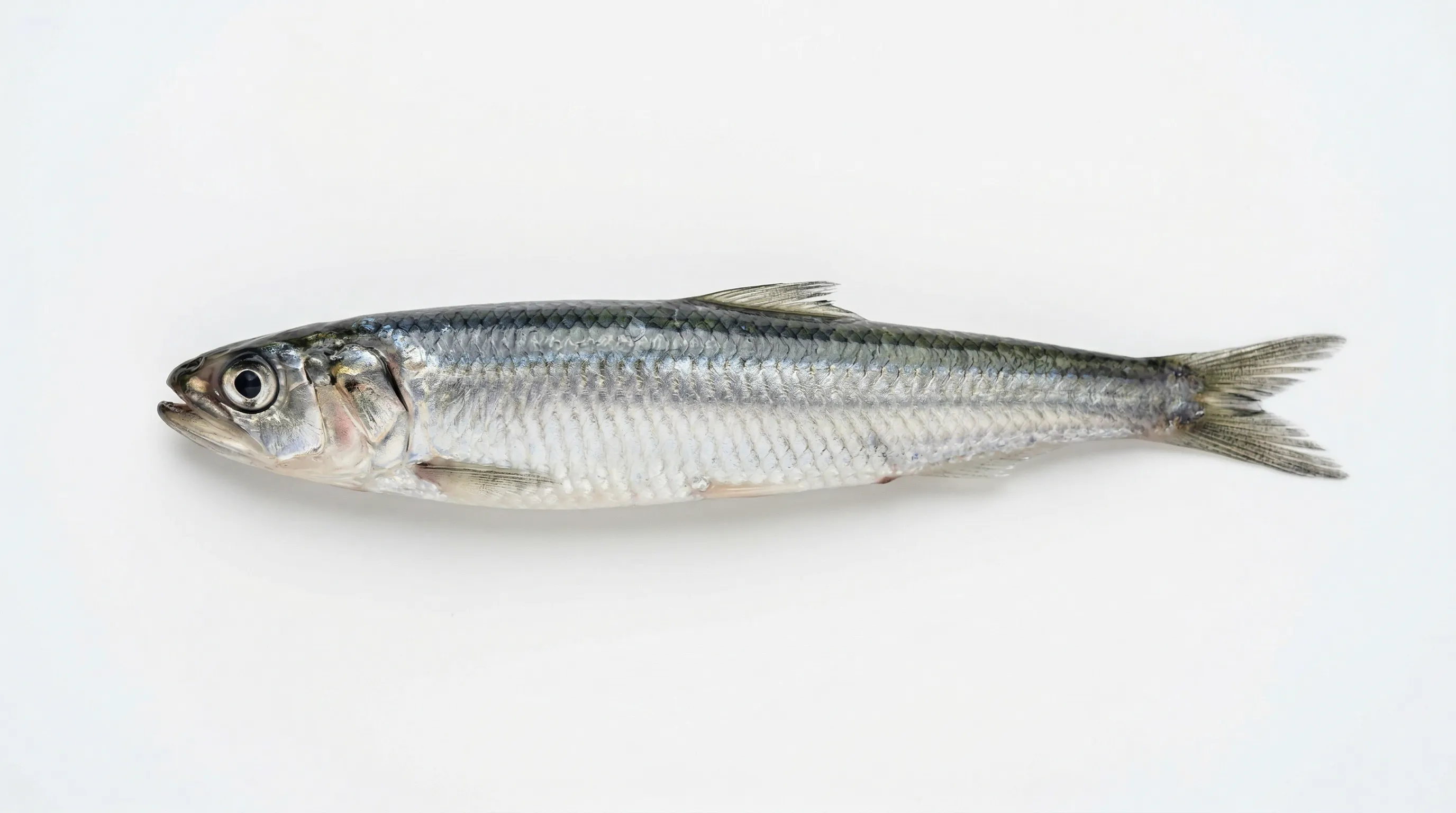
Les sardines sont de petits poissons gras qui peuvent être un excellent aliment pour les bébés et les jeunes enfants lorsqu’elles sont préparées en toute sécurité. Elles sont naturellement tendres, savoureuses et faciles à écraser ou à émietter, ce qui en fait une option pratique pour les premiers repas. Les sardines en conserve au naturel ou à l’huile d’olive sont particulièrement pratiques, car leurs petites arêtes sont généralement ramollies et comestibles. Les sardines sont riches en protéines, en oméga-3, en calcium, en vitamine D, en vitamine B12, en fer et en sélénium. Ces nutriments soutiennent le développement du cerveau, la croissance osseuse, la formation des globules rouges et la croissance globale. Comme les sardines apportent du fer héminique et de bonnes graisses, elles peuvent être particulièrement intéressantes pour les bébés ayant besoin d’aliments à forte densité nutritionnelle. Le poisson est un allergène courant ; proposez donc les sardines en petite quantité la première fois et surveillez attentivement toute réaction. Faites également attention à la teneur en sodium lors du choix des produits en conserve, et privilégiez si possible les options sans sel ajouté ou à teneur réduite en sodium. Les sardines fraîches peuvent contenir des arêtes plus grosses qui doivent être retirées soigneusement avant le service, tandis que les arêtes tendres des sardines en conserve sont généralement sans danger à consommer. La plupart des bébés peuvent commencer à manger des sardines dès 6 mois. Pour les plus jeunes, proposez des sardines écrasées ou des filets entiers bien tendres après avoir retiré les grosses arêtes. À mesure que votre enfant développe la mastication et la prise en pince, vous pouvez passer à des miettes, des plats mélangés et des petits morceaux. Continuez à servir l’enfant assis et sous surveillance, et évitez les préparations très salées ou fortement assaisonnées.
Comment servir selon l'âge
Proposez des sardines écrasées à la cuillère ou laissez bébé manger seul un filet entier bien tendre. Si vous utilisez des sardines fraîches, retirez toutes les grosses arêtes. Les sardines en conserve peuvent être proposées avec leurs arêtes tendres comestibles si la texture est lisse et facile à gérer.
Servez les sardines en petites miettes pour l’auto-alimentation ou mélangez-les à de la purée de pommes de terre, du riz, des pâtes ou des légumes. Continuez à vérifier soigneusement la présence d’arêtes plus grosses si vous utilisez du poisson frais.
Proposez de petits morceaux de filet de sardine tendre ou incorporez-les dans des galettes, des bols de céréales ou des plats à base d’œufs. Gardez des portions tendres et faciles à mâcher, et évitez les préparations très salées.
Les tout-petits peuvent manger des morceaux tendres de sardine dans le cadre des repas familiaux, par exemple sur du pain grillé, avec du riz ou dans des pâtes. Continuez à surveiller et à encourager de petites bouchées.
Se marie bien avec
Sécurité et allergènes
Les sardines sont généralement tendres et présentent un faible risque lorsqu’elles sont servies en morceaux adaptés à l’âge, mais il faut tenir compte des arêtes avec attention. Retirez toutes les grosses arêtes ou les arêtes fermes des sardines fraîches avant de servir. Les arêtes des sardines en conserve sont généralement ramollies sous pression et comestibles. Proposez des sardines écrasées, des filets tendres ou de petites miettes, et évitez les morceaux secs, coriaces ou trop gros.
À surveiller
Liste de sécurité
Conservation et durée
Conservez les sardines en conserve non ouvertes dans un endroit frais et sec jusqu’à la date de péremption. Après ouverture, transférez les restes dans un récipient hermétique, réfrigérez-les et consommez-les dans les 3 à 4 jours.
Congelez les sardines cuites ou ouvertes dans un récipient hermétique adapté à la congélation pendant jusqu’à 3 mois. Décongelez-les au réfrigérateur avant de servir.
Nutrition
- Riche en protéines pour la croissance et la construction des tissus
- Apporte des oméga-3 qui soutiennent le développement du cerveau et des yeux
- Excellente source de calcium lorsque les arêtes tendres sont consommées
- Contient du fer et de la vitamine B12 pour soutenir des globules rouges en bonne santé
- Apporte de la vitamine D pour la santé osseuse
- Le poisson est un allergène courant
- Les sardines en conserve peuvent être riches en sodium
- Les sardines fraîches peuvent contenir des arêtes plus grosses à retirer avec soin
- Ne contient ni fibres ni glucides
Nutriments clés
Valeurs nutritionnelles
| Calories | 902kcal |
|---|---|
| Lipides | 100.0g |
per 100 g
De saison
Questions fréquentes
Quand les bébés peuvent-ils manger Sardines ?
Sardines présente-t-il un risque d'étouffement ?
Sardines est-il un allergène courant ?
Plus de premiers aliments

Suivez Sardines — et tout ce que mange votre bébé
Enregistrez les repas et les réactions, recevez des alertes allergènes et suivez le parcours alimentaire de votre bébé d'un coup d'œil dans l'application Alimoo.


Sources