
À propos de Saumon
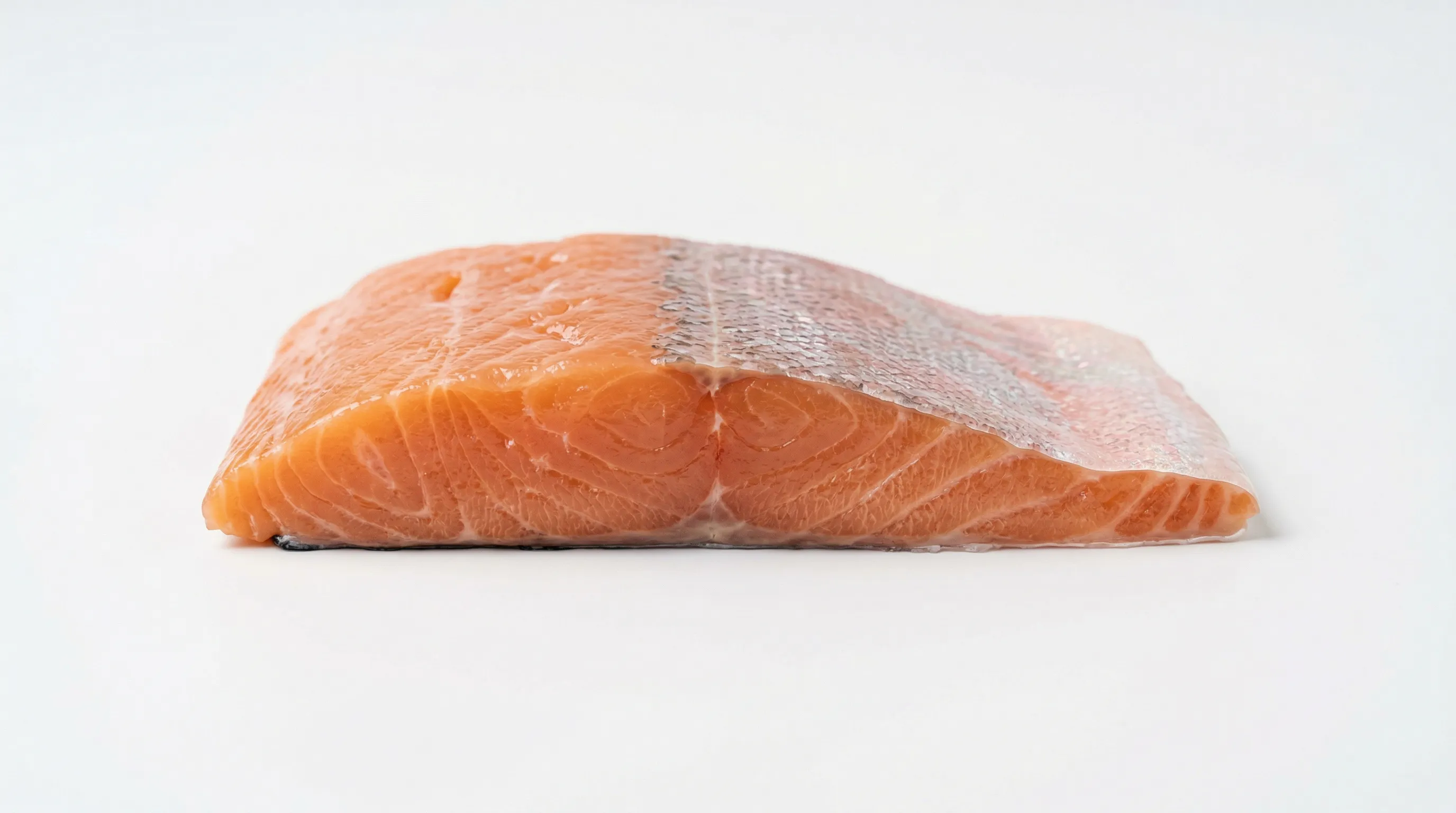
Le saumon est un poisson riche en nutriments qui peut être un excellent aliment pour les bébés dès le début de la diversification alimentaire. Une fois cuit, sa chair est tendre et s’effeuille facilement, ce qui permet de le proposer sous des textures adaptées aux bébés. Le saumon est particulièrement apprécié pour ses bonnes graisses, qui soutiennent la croissance et le développement rapides pendant la petite enfance. Il apporte des protéines de haute qualité pour la croissance, des acides gras oméga-3, dont le DHA, pour le développement du cerveau et de la vision, ainsi que de la vitamine D pour la santé osseuse. Le saumon contient aussi du sélénium, du potassium, et de petites quantités de fer et de zinc. Comme beaucoup de bébés ont besoin d’aliments riches en protéines et en bonnes graisses, le saumon peut être un ajout très utile aux repas familiaux. Le saumon est un allergène courant, car il fait partie des poissons à nageoires. Proposez-en une petite quantité la première fois et surveillez attentivement l’apparition de signes de réaction allergique. Les arêtes représentent également un point de vigilance important, donc vérifiez toujours soigneusement et retirez toutes les arêtes avant de servir. Évitez le saumon cru ou insuffisamment cuit pour les bébés et les tout-petits, et ne donnez pas de saumon fumé aux bébés, car il est riche en sodium et n’est pas entièrement cuit. La plupart des bébés peuvent commencer à manger du saumon dès 6 mois, servi en gros morceaux effeuillés et tendres ou en une grande bande de poisson bien cuit, sans aucune arête. À mesure que votre enfant développe ses capacités de mastication et sa prise en pince, vous pouvez proposer des miettes plus petites, des morceaux de la taille d’une bouchée et des plats mélangés comme des galettes de saumon ou des bols de riz. Continuez à le servir toujours bien cuit et à surveiller étroitement à chaque âge.
Comment servir selon l'âge
Proposez une bande de saumon fraîchement cuit de la taille d’environ deux doigts d’adulte serrés l’un contre l’autre, ou servez de gros morceaux tendres effeuillés mélangés à un aliment facile à prendre à la cuillère. Retirez toutes les arêtes et la peau avant de servir.
Lorsque votre bébé développe la prise en pince, proposez de petites miettes ou de petits morceaux tendres de saumon bien cuit. Vous pouvez aussi le mélanger à des légumes écrasés, du riz ou des galettes de saumon préparées sans excès de sel.
Servez le saumon bien cuit en petits morceaux, en galettes, avec des pâtes, du riz ou des légumes. Continuez à vérifier soigneusement la présence d’arêtes et évitez les préparations fumées, crues ou très salées.
Les tout-petits peuvent manger des morceaux de saumon tendres à la fourchette issus des repas familiaux tant qu’il est bien cuit et sans arêtes. Encouragez les petites bouchées et les repas assis avec une surveillance étroite.
Se marie bien avec
Sécurité et allergènes
Le saumon est généralement tendre et s’effeuille facilement, mais les arêtes représentent un danger sérieux. Servez le saumon bien cuit après avoir retiré toutes les arêtes, la peau et tout tissu conjonctif dur. Pour les plus jeunes bébés, proposez de gros morceaux tendres effeuillés ou une bande de la longueur d’un doigt ; pour les bébés plus âgés et les tout-petits, proposez de petits morceaux de la taille d’une bouchée.
À surveiller
Liste de sécurité
Conservation et durée
Conserver le saumon cuit au réfrigérateur dans un récipient hermétique et l’utiliser dans les 3 à 4 jours.
Congeler le saumon cuit dans un récipient hermétique jusqu’à 3 mois. Le décongeler au réfrigérateur avant de le réchauffer et de le servir.
Nutrition
- Riche en acides gras oméga-3 qui soutiennent le développement du cerveau et de la vision
- Apporte des protéines de haute qualité pour la croissance
- Contient de la vitamine D pour la santé osseuse
- Apporte du potassium et du sélénium pour la santé globale
- Allergène courant
- Contient peu ou pas de fibres
- Doit être soigneusement vérifié pour retirer les arêtes avant d’être servi
- Certaines préparations comme le saumon fumé sont trop riches en sodium pour les bébés
Nutriments clés
Valeurs nutritionnelles
| Calories | 902kcal |
|---|---|
| Lipides | 100.0g |
per 100 g
De saison
Questions fréquentes
Quand les bébés peuvent-ils manger Saumon ?
Saumon présente-t-il un risque d'étouffement ?
Saumon est-il un allergène courant ?
Plus de premiers aliments

Suivez Saumon — et tout ce que mange votre bébé
Enregistrez les repas et les réactions, recevez des alertes allergènes et suivez le parcours alimentaire de votre bébé d'un coup d'œil dans l'application Alimoo.


Sources