
À propos de Grenadille
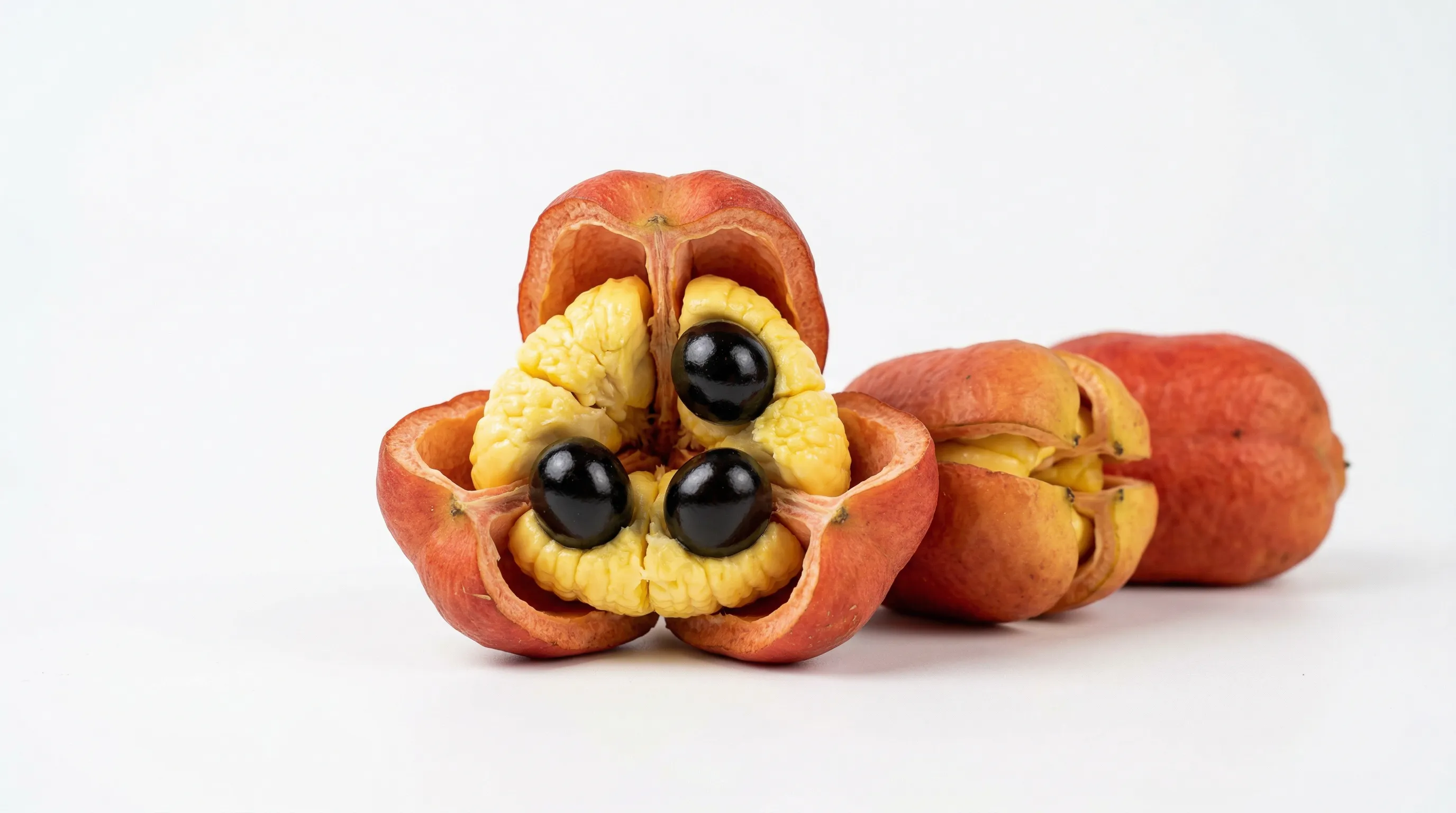
La grenadille est une variété sucrée de fruit de la passion, avec une coque orange ferme et un centre gélatineux rempli de graines noires comestibles. Pour les bébés, la pulpe tendre peut être une façon amusante de découvrir de nouvelles textures et une saveur tropicale vive, surtout lorsqu’elle est mélangée à du yaourt, des flocons d’avoine ou d’autres aliments familiers. La grenadille apporte de la vitamine C, qui soutient le système immunitaire et aide l’organisme à absorber le fer provenant d’autres aliments. Elle contient aussi des fibres pour favoriser la digestion, ainsi qu’un peu de vitamine A, bénéfique pour la santé des yeux et de la peau. Comme elle est principalement proposée sous forme de pulpe, elle peut ajouter de l’humidité et de la saveur aux repas sans nécessiter beaucoup de préparation. La grenadille n’est pas un allergène courant, mais des réactions restent possibles. Les enfants allergiques au latex peuvent être plus susceptibles de réagir à certains fruits tropicaux ; il faut donc être particulièrement prudent si votre enfant a cet antécédent. Son acidité peut aussi provoquer une irritation autour de la bouche ou au niveau du siège, même en l’absence de véritable allergie. La plupart des bébés peuvent commencer à manger de la grenadille dès 6 mois, une fois la pulpe mûre retirée de la coque et proposée nature ou mélangée à un aliment épais. À mesure que votre enfant grandit, vous pouvez continuer à servir la pulpe avec les graines dans des yaourts, céréales et smoothies, puis plus tard laisser le tout-petit prélever la pulpe d’un fruit coupé en deux sous surveillance étroite afin qu’il ne mâchonne pas la coque.
Comment servir selon l'âge
Prélevez la pulpe mûre gélatineuse et les graines comestibles, puis proposez-les seules ou mélangées à un yaourt épais, des flocons d’avoine ou des fruits écrasés. Une cuillère préchargée convient bien aux débutants. Si vous le préférez, vous pouvez filtrer les graines, bien qu’elles ne soient généralement pas considérées comme un risque d’étouffement lorsqu’elles sont servies avec la pulpe.
Continuez à proposer la pulpe de grenadille et les graines mélangées à du yaourt, des céréales chaudes, un pudding de chia ou des aliments écrasés. C’est une bonne étape pour laisser bébé s’exercer à prélever avec une cuillère et à manger seul tout en découvrant la texture du fruit.
Proposez la pulpe de grenadille dans des smoothies ou laissez votre tout-petit prélever la pulpe et les graines d’un fruit coupé en deux avec une cuillère. Surveillez-le de près et ne le laissez pas mâcher ni sucer la coque, qui n’est pas comestible.
Se marie bien avec
Sécurité et allergènes
Servez uniquement la pulpe mûre intérieure et les graines comestibles. Ne proposez pas la coque dure, l’écorce ou les feuilles. Pour les plus jeunes bébés, mélangez la pulpe à du yaourt, des flocons d’avoine ou des fruits écrasés et proposez-la sur une cuillère préchargée. Surveillez étroitement si vous proposez un fruit coupé en deux à un enfant plus grand, car la coque ne doit pas être consommée.
À surveiller
Liste de sécurité
Conservation et durée
Conservez la grenadille entière à température ambiante jusqu’à maturité, puis réfrigérez-la si nécessaire. Une fois ouverte, gardez la pulpe dans un récipient hermétique au réfrigérateur et utilisez-la dans les 3 à 5 jours.
Congelez la pulpe de grenadille dans un récipient hermétique ou un bac à glaçons pendant jusqu’à 3 mois. Décongelez-la au réfrigérateur avant de la servir.
Nutrition
- Apporte de la vitamine C pour soutenir le système immunitaire et l’absorption du fer
- Contient des fibres qui aident à soutenir la digestion
- Ajoute de l’humidité et de la saveur aux repas
- Fournit un peu de vitamine A pour la santé des yeux et de la peau
- Peut être acide et irriter les peaux sensibles
- N’est pas une source significative de protéines
- N’est pas une source significative de matières grasses
- N’est pas particulièrement riche en fer ni en zinc
Nutriments clés
Valeurs nutritionnelles
| Calories | 97kcal |
|---|---|
| Protéines | 2.2g |
| Glucides | 23.4g |
| Lipides | 0.7g |
| Fibres | 10.4g |
| Sucres | 11.2g |
| Fer | 1.6mg |
| Calcium | 12.0mg |
| Potassium | 348mg |
| Vitamine C | 30mg |
| Vitamine A | 64.0µg |
| Folate | 14µg |
| Zinc | 0.10mg |
per 100 g
De saison
Questions fréquentes
Quand les bébés peuvent-ils manger Grenadille ?
Grenadille présente-t-il un risque d'étouffement ?
Grenadille est-il un allergène courant ?
Plus de premiers aliments

Suivez Grenadille — et tout ce que mange votre bébé
Enregistrez les repas et les réactions, recevez des alertes allergènes et suivez le parcours alimentaire de votre bébé d'un coup d'œil dans l'application Alimoo.


Sources